The medieval period in Italy was a time of profound political and cultural transformation. While the region is now known as a unified nation, during the late medieval era, it was a patchwork of independent city-states, each with its own government, economy, and cultural identity. These city-states were not only centers of commerce and politics but also incubators of the Renaissance, which would later reshape European history. But how many Italian city-states existed during this time? Let’s explore the answer to this question and understand the significance of these autonomous entities.
The Fragmented Landscape of Medieval Italy
Italy during the late medieval period (roughly 1000–1500 CE) was not a single country but a collection of independent city-states, often referred to as comuni (communes). These cities operated under their own governance, sometimes led by elected officials, merchant oligarchies, or ruling families. Unlike the centralized monarchies of other European nations, Italy lacked a unifying authority, leading to a complex web of alliances, rivalries, and conflicts.
This fragmentation was due to several factors:
– Historical divisions: The fall of the Western Roman Empire left a power vacuum that was never filled by a strong central government.
– Geographical barriers: Mountains, rivers, and the Mediterranean Sea made it difficult for any single power to dominate the entire peninsula.
– Economic diversity: Each city developed its own trade networks, banking systems, and industries, fostering a sense of independence.
Key Italian City-States of the Medieval Period

While the exact number of city-states varied over time, historians generally agree that there were dozens of significant ones. Some of the most prominent included:
1. Florence
- A major center of banking, art, and humanism.
- Home to the powerful Medici family.
- Known for its patronage of artists like Leonardo da Vinci and Michelangelo.
2. Venice
- A maritime republic that controlled trade routes across the Mediterranean.
- Famous for its canals, glassmaking, and naval power.
3. Milan
- A military and industrial hub, ruled by the Sforza family.
- Known for its armor and engineering innovations.
4. Genoa
- A key port city with strong ties to the sea.
- Played a crucial role in Mediterranean trade.
5. Pisa
- A former maritime power that declined after the Battle of Montecatini in 1284.
6. Siena
- Known for its banking and textile industries.
- Famed for its Gothic architecture.
7. Rome
- The seat of the Catholic Church and a major religious and political center.
- Under papal rule, Rome was both a spiritual and cultural hub.
8. Naples
- Controlled by the Kingdom of Naples, it was a center of music and culture.
- Later became a Spanish stronghold.
9. Pavia
- A strategic city in Lombardy, known for its university and military importance.
10. Verona
- Famous for its historical landmarks, including Juliet’s House.
- A key player in the Guelph-Ghibelline conflicts.
The Role of Rivalries and Alliances
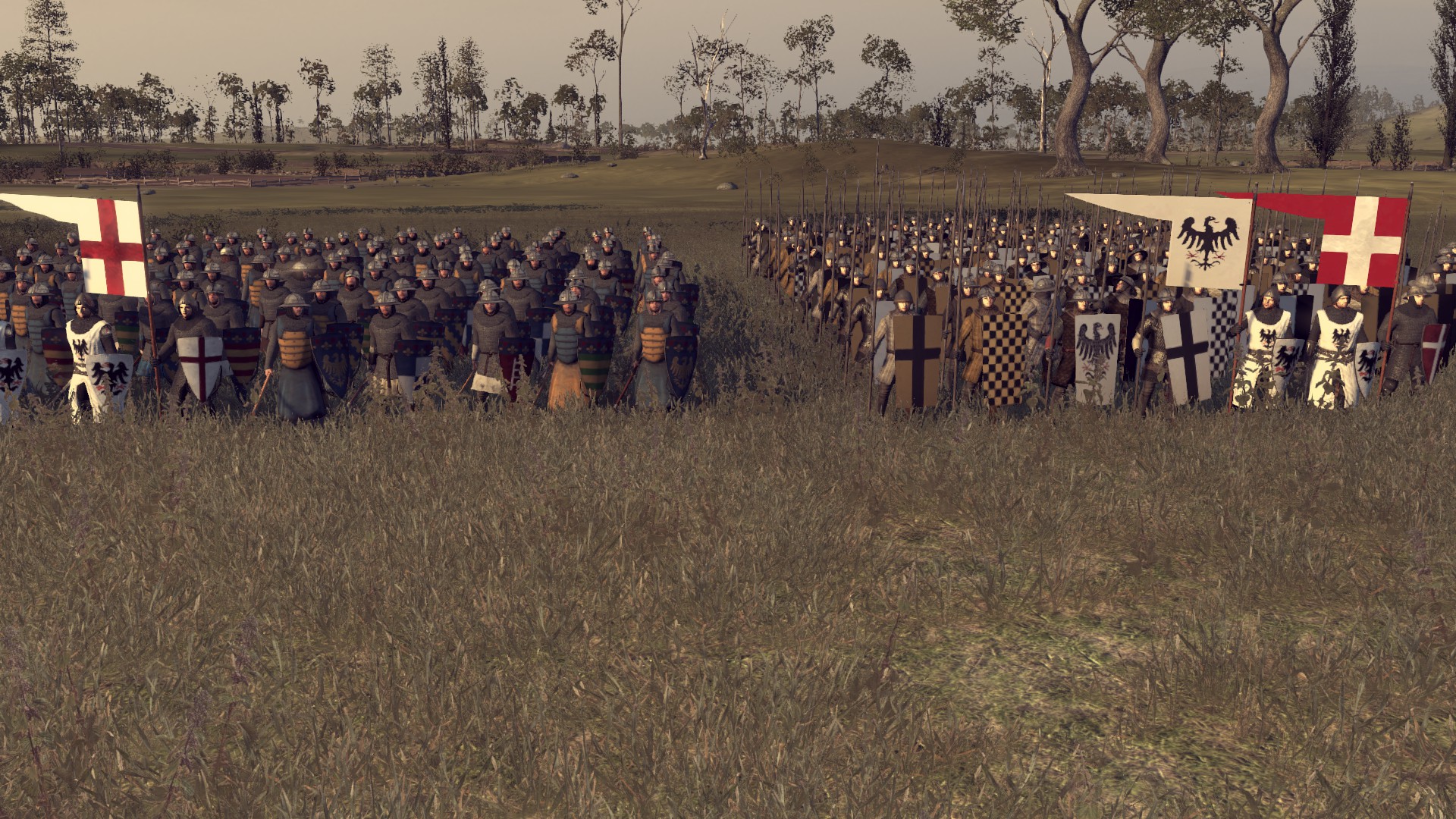
The competition between these city-states was fierce. They often formed alliances to counter threats from larger powers, such as the Holy Roman Empire or the Papacy. For example, the Lombard League was a coalition of northern Italian cities that resisted imperial control. Meanwhile, internal factions like the Guelphs and Ghibellines fought for dominance within cities, creating a dynamic and often volatile political environment.
These rivalries fueled innovation and artistic growth. Each city sought to outshine the others through architectural marvels, patronage of the arts, and scientific advancements. This competitive spirit laid the foundation for the Renaissance, which would eventually transform Europe.
The Legacy of the Italian City-States

Although many of these city-states eventually fell under the control of larger powers—such as the Spanish, French, or Austrians—their influence endured. The political and economic structures they developed contributed to the rise of modern capitalism and statecraft. Their cultural achievements, from the works of Dante and Machiavelli to the masterpieces of the Renaissance, continue to shape global art and thought.
Even today, the legacy of these city-states is visible in the architecture, traditions, and institutions of cities like Florence, Venice, and Milan. Visitors can still walk through the streets of these historic centers and feel the echoes of a time when small, independent states shaped the course of history.
Conclusion: A Tapestry of Power and Creativity
In conclusion, while it is difficult to pinpoint an exact number, it is safe to say that there were dozens of Italian city-states during the medieval period. These cities, though often at odds with one another, created a vibrant and diverse cultural landscape that would give rise to the Renaissance. Their legacy is a testament to the power of individuality, competition, and creativity in shaping human history.
If you’re interested in learning more about the history of these fascinating city-states, consider visiting one of the many museums or historical sites across Italy. Explore the stories behind the art, architecture, and politics that defined this extraordinary era.