Summer is the perfect season for photography. With its long days, vibrant colors, and endless opportunities for creative shots, it’s no wonder that many photographers look forward to this time of year. However, capturing stunning summer pictures requires more than just pointing your camera in the right direction. It demands an understanding of light, composition, and the unique challenges that come with the season. Whether you’re a seasoned pro or just starting out, these tips will help you make the most of every summer photo session.
1. Master the Golden Hour
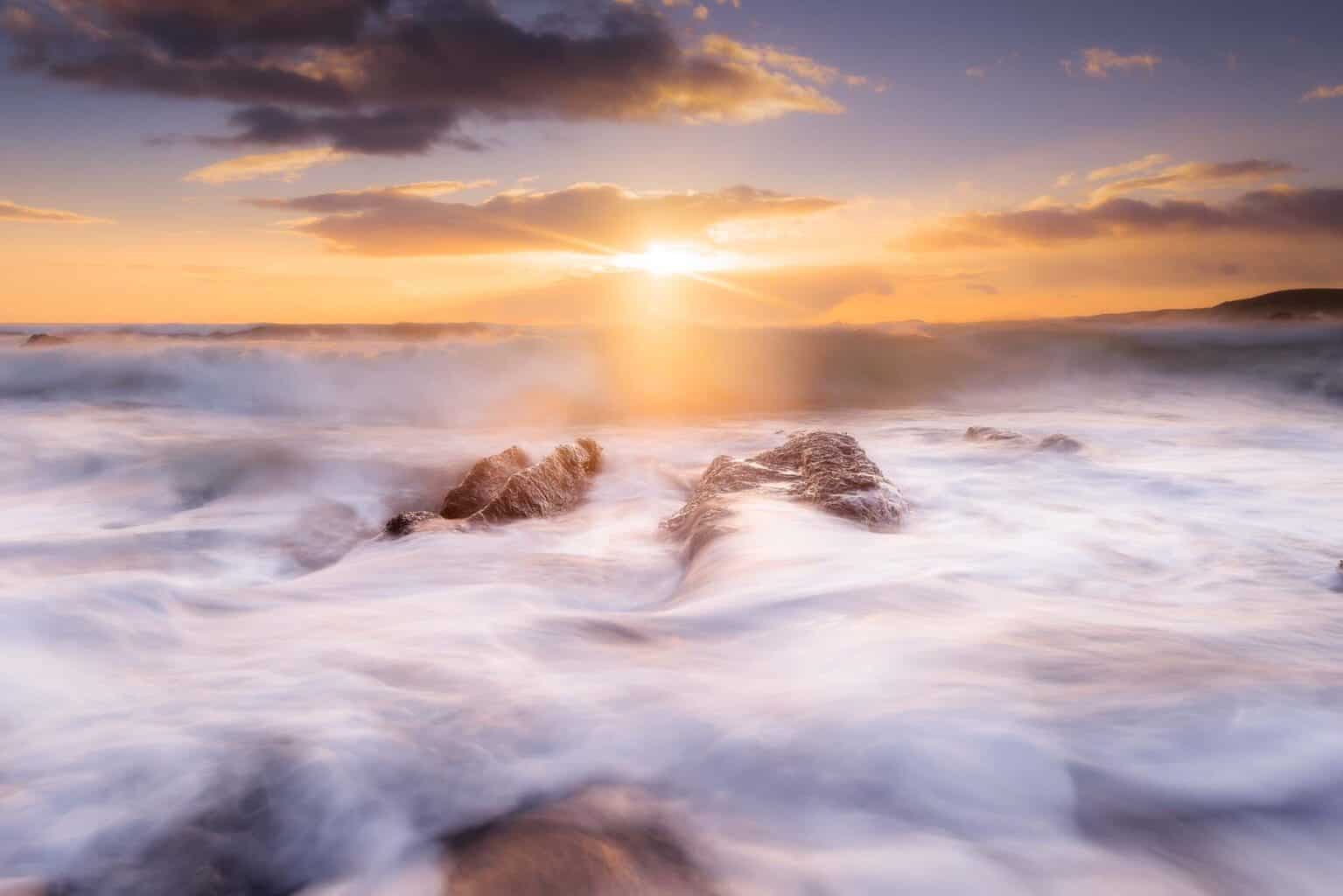
The golden hour—the period just after sunrise and before sunset—is arguably the best time to take summer pictures. During this time, the light is soft, warm, and diffused, creating a magical atmosphere that flatters subjects and enhances colors. The low angle of the sun also produces long shadows, which can add depth and dimension to your images.
Pro Tip: Use apps like PhotoPills or Golden Hour One to predict the exact timing of the golden hour in your location. This allows you to plan your shoot around the best lighting conditions.
2. Use a Polarizing Filter
A polarizing filter is one of the most effective tools for summer photography. It reduces reflections on water, glass, and other reflective surfaces, deepens the color of the sky, and increases overall contrast. This is especially useful when shooting at beaches, lakes, or any scene with a lot of water or glass.
Pro Tip: Rotate the filter while composing to find the angle where the glare disappears and the sky becomes deeper. Be cautious when using wide-angle lenses, as uneven polarization can occur in large sky areas.
3. Protect Your Equipment
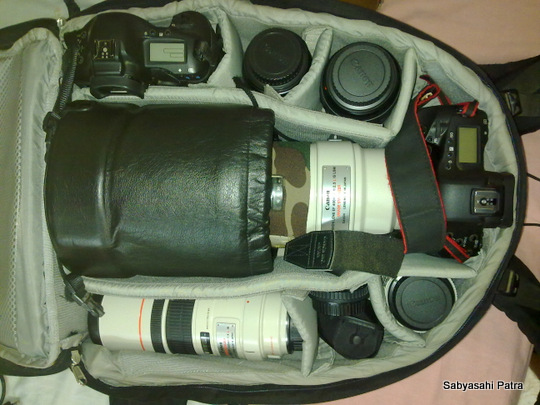
Summer heat is tough on cameras and lenses. Batteries drain faster, sensors overheat, and condensation becomes a risk when moving between air-conditioned cars and hot outdoor areas. Sand and saltwater also pose a risk at beach locations.
Pro Tip: Store your camera in an insulated bag under shade. Keep microfiber cloths handy to wipe off sweat or mist, and use waterproof covers or rain sleeves if you’re near water. Carry spare batteries in a cooler bag or wrapped in fabric to help prolong charge retention.
4. Master Manual Settings
Bright light can confuse your camera’s meter, leading to overexposed highlights or underexposed shadows. Manual settings let you balance ISO, aperture, and shutter speed to maintain detail and exposure.
Pro Tip: On a sunny day, try the Sunny 16 Rule—use f/16, ISO 100, and a shutter speed of 1/100s as a starting point. Adjust from there based on your subject and scene. Use your histogram to verify correct exposure instead of relying on the preview screen alone.
5. Incorporate Reflectors and Diffusers
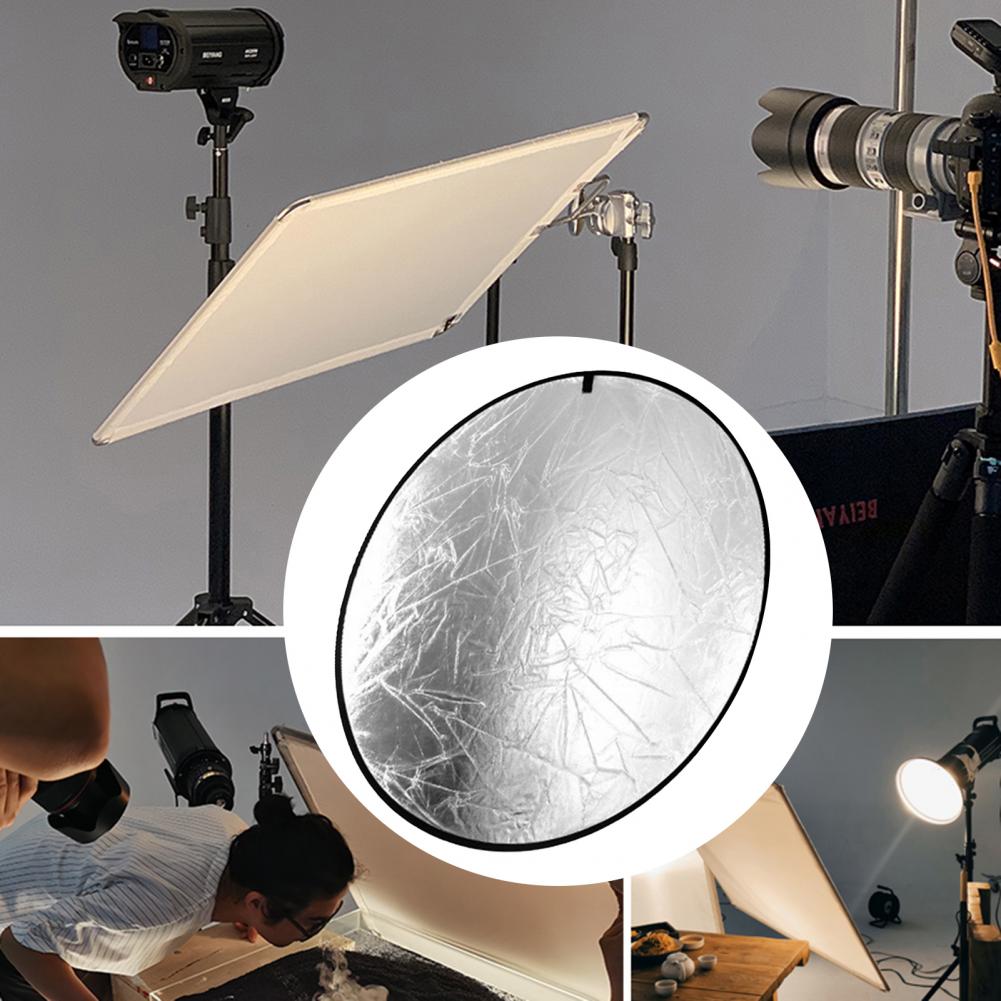
Lighting tools are essential when working under strong sun. A 5-in-1 reflector kit gives you multiple surfaces—white, silver, gold, black, and a diffuser—to control light precisely. Reflectors fill in shadows; diffusers soften direct sunlight.
Pro Tip: Use the white side for soft fill light on portraits, and the gold side to warm up skin tones during sunset. A handheld diffuser over your subject’s head can simulate shade, creating more flattering light instantly.
6. Choose Appropriate Wardrobe and Props

Wardrobe influences the tone of your images and your subject’s comfort. Lightweight materials like cotton or linen keep your clients cool, while color palettes should reflect the season—think coral, seafoam, yellow, or classic white.
Pro Tip: Avoid overly dark clothing that absorbs heat and makes subjects sweat. Suggest props that add movement and fun—flowy scarves, sunglasses, floppy hats, or picnic baskets—especially for lifestyle or family sessions.
7. Scout Locations in Advance
Location knowledge makes or breaks a summer shoot. A scene might look great during the day, but poor angles or cluttered backgrounds can ruin your frame. Plus, you’ll want to find shaded areas for flexibility.
Pro Tip: Visit your location around the same time of day as your planned session. Look for natural reflectors like light-colored walls and water for added illumination. Also, identify escape routes or shaded spots in case the heat gets overwhelming.
8. Experiment with Creative Angles
Summer lends itself to creativity—vibrant skies, blooming fields, and energetic motion. Don’t settle for eye-level shots. Lower your camera to ground level to make subjects appear larger or to include summer elements like wildflowers, sand, or puddles in the foreground.
Pro Tip: Try shooting overhead from balconies or ladders for symmetrical beach towels, pool floats, or picnic layouts. Play with tilt angles to evoke a casual, sun-drenched mood.
9. Stay Hydrated and Prioritize Safety
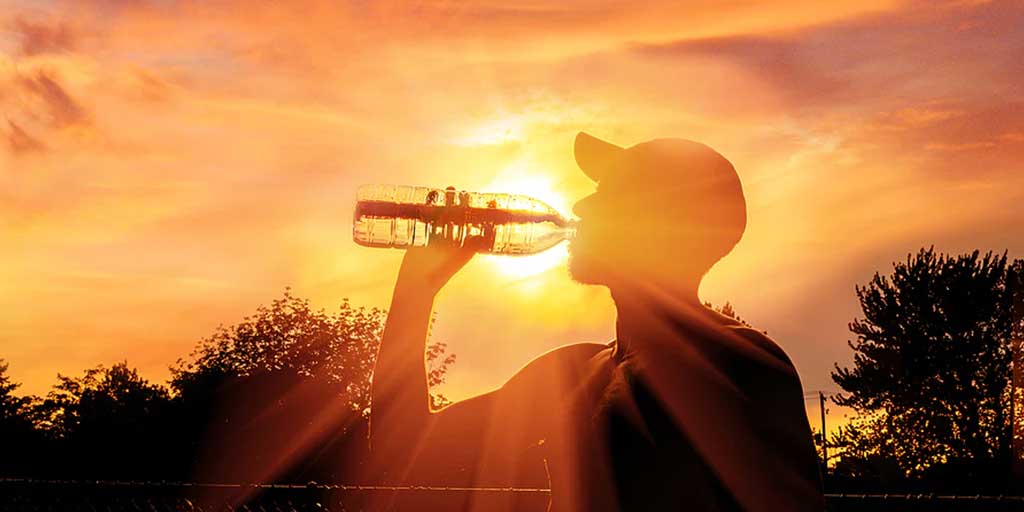
It’s easy to get lost in a shoot and forget the toll heat can take. Dehydration can cause headaches, fatigue, or dizziness, compromising your creativity and concentration. Sunburn or heatstroke is even more dangerous during long outdoor sessions.
Pro Tip: Pack water bottles, sunblock, and light snacks. Wear moisture-wicking clothes and breathable shoes. If you’re working with clients, schedule hydration breaks and bring a foldable shade or umbrella to protect them between setups.
10. Plan for Post-Processing
Even when you nail exposure, bright environments often benefit from light post-production tweaks. Shadows might need lifting, highlights could need recovery, and warm tones may require subtle adjustments.
Pro Tip: Always shoot in RAW for maximum editing flexibility. Use Lightroom or Capture One to apply summer-inspired presets that enhance vibrancy without over-editing. Consider softening highlights and tweaking white balance to cool down overly warm tones from strong sun.
Final Thoughts
Summer is a season of opportunity. With long days, vibrant colors, and dynamic outdoor scenes, it offers a rich canvas for photography. By anticipating challenges and adapting your approach, you can transform potential setbacks into creative advantages. Whether you’re capturing the golden glow of a sunset or the playful energy of a beach day, the key is to stay inspired and keep experimenting.
So grab your camera, chase the light, and let your creativity run wild. Explore new locations, experiment with different techniques, and don’t be afraid to push your boundaries. With the right preparation and mindset, you’ll be able to create stunning summer pictures that capture the magic of the season.
What are your favorite summer photography tips? Share your thoughts in the comments below!