Elections are a cornerstone of democracy, and in Italy, they play a critical role in shaping the nation’s political landscape. Understanding how often elections occur in Italy is essential for both citizens and international observers. This guide provides a comprehensive overview of the frequency and structure of elections in the country.
General Elections in Italy: A Regular Occurrence
In Italy, general elections are held periodically to elect members of the Chamber of Deputies (400 seats) and the Senate of the Republic (200 elected seats). These elections determine the composition of the Italian Parliament, which in turn influences the formation of the government. According to the latest information, the next general election in Italy is scheduled to take place no later than 22 December 2027, as per the electoral calendar.
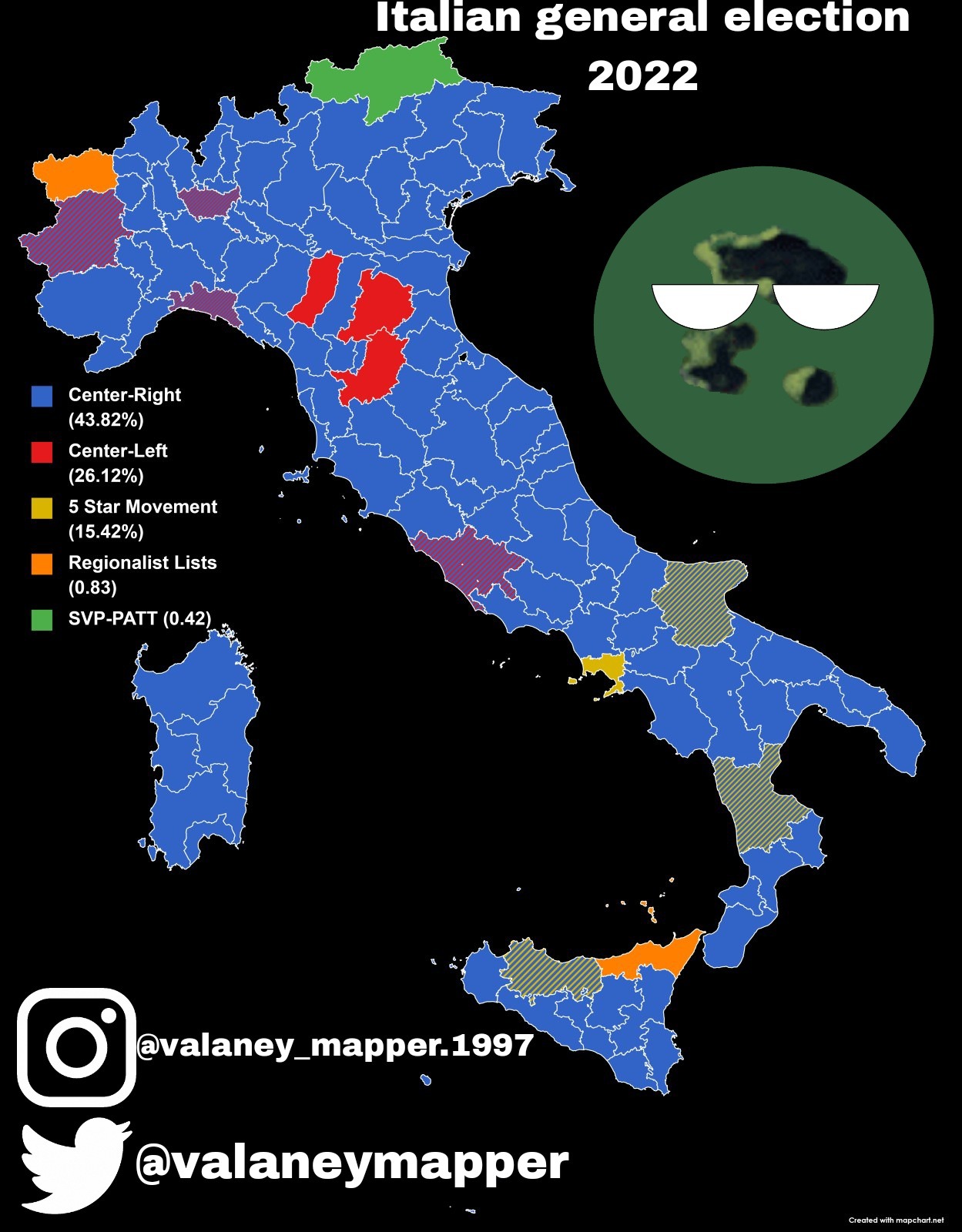
The timing of these elections is set by law, but there are exceptions. For instance, if the government falls or loses a vote of confidence, a snap election may be called earlier. The most recent general election took place on 25 September 2022, marking a significant shift in the political dynamics of the country.
Electoral System: Mixed-Member Majoritarian Representation

Italy uses a mixed-member majoritarian system for its national elections. This system combines elements of first-past-the-post (FPTP) and proportional representation (PR) to ensure a balance between local representation and party proportionality.
- Chamber of Deputies: Out of the 400 seats, 147 are allocated through FPTP in single-member constituencies, while 245 are filled via proportional representation in multi-member constituencies.
- Senate of the Republic: Similarly, 74 senators are elected via FPTP, with 122 seats allocated through regional proportional representation.
This system allows voters to cast a single ballot that includes both their preferred candidate in a constituency and a party list. However, there are restrictions—voters cannot split their votes between candidates from different parties in the same constituency.
Frequency of Other Elections

While general elections are the most prominent, Italy also holds several other types of elections:
Regional Elections
Regional elections are held every five years to elect the heads of Italy’s 20 regions and their councils. These elections are crucial for determining local governance and policy implementation.
European Parliament Elections
Italy participates in European Parliament elections every five years, where voters elect representatives to the European Parliament. These elections are important for shaping Italy’s role within the EU.
Presidential Elections
The President of the Republic is elected by an electoral college composed of members of both houses of Parliament and regional representatives. This election occurs every seven years and is a key moment in the country’s political process.
Referendums
Italians can also vote in referendums on specific legislative or constitutional issues. These are not held on a fixed schedule but are called when certain thresholds of public support are met.
Key Dates and Historical Context

Since the end of World War II, Italy has had a long history of democratic elections. The most recent general election in 2022 saw a significant rise in support for the right-wing coalition led by Giorgia Meloni’s Brothers of Italy (FdI). This marked a shift in the political landscape, with the center-right securing a majority in both chambers of Parliament.
Historically, voter turnout has fluctuated. For example, the 2022 election saw a turnout of 63.85%, significantly lower than previous decades. This trend reflects changing attitudes toward participation in the political process.
How Do Voters Cast Their Votes?
The voting process in Italy is designed to be straightforward yet complex due to the mixed electoral system. Voters receive a single ballot that includes:
- Names of candidates in single-member constituencies.
- Symbols of party lists linked to those candidates.
Voters can choose to:
– Vote for a candidate and their affiliated list.
– Vote for a candidate without indicating a list.
– Vote for a list directly, which then extends to the candidate in the constituency.
However, panachage (voting for multiple candidates from different parties in the same constituency) is not allowed and results in invalid votes.
Conclusion: Understanding the Electoral Cycle
In summary, Italy holds general elections every five years, with the next one expected in 2027. The country also conducts regional, European, and presidential elections on a regular basis, along with referendums when necessary.
For those interested in following Italian politics, staying informed about upcoming elections is essential. Whether you’re a citizen, a student, or a global observer, understanding the frequency and structure of elections in Italy offers valuable insight into the nation’s democratic processes.
If you want to stay updated on the next election, consider following official sources such as the Italian Ministry of the Interior or reputable news outlets. Engaging with the political process is a powerful way to shape the future of your community and country.