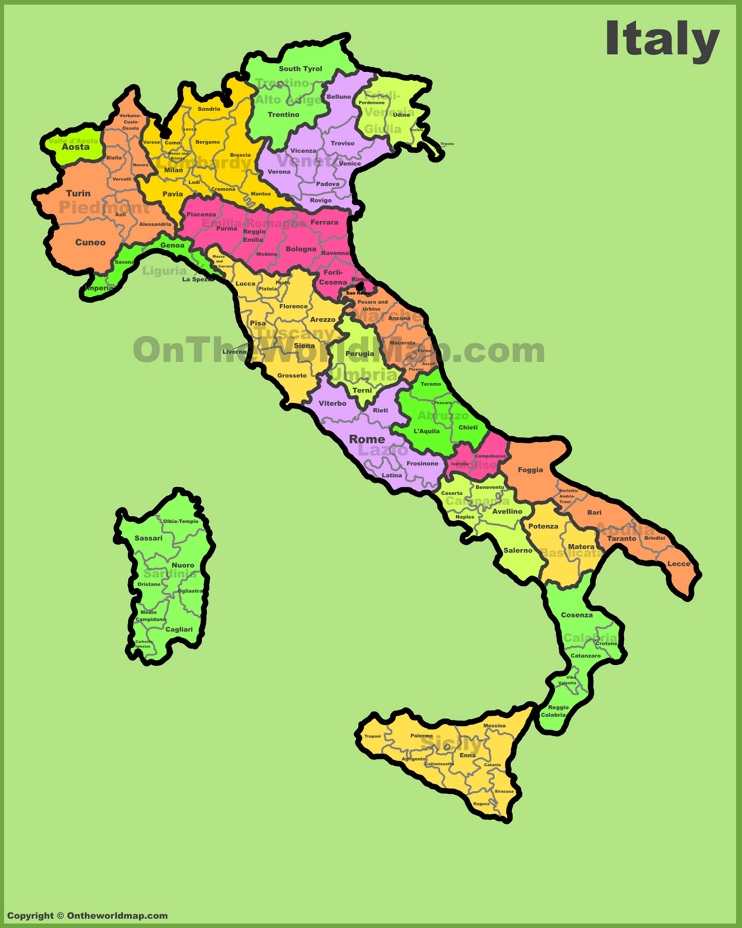
Italy is a country known for its rich history, vibrant culture, and stunning landscapes. But beyond its beauty lies a complex administrative structure that governs the nation. One of the most common questions people ask about Italy is: “How many Italian provinces are there?” This article will explore the answer in depth, providing a comprehensive guide to Italy’s administrative divisions.
Understanding Italy’s Administrative Structure
Italy is divided into three main levels of administrative divisions: regions (regioni), provinces (province), and communes (comuni). These divisions help organize governance, services, and local administration across the country.
Regions (Regioni)
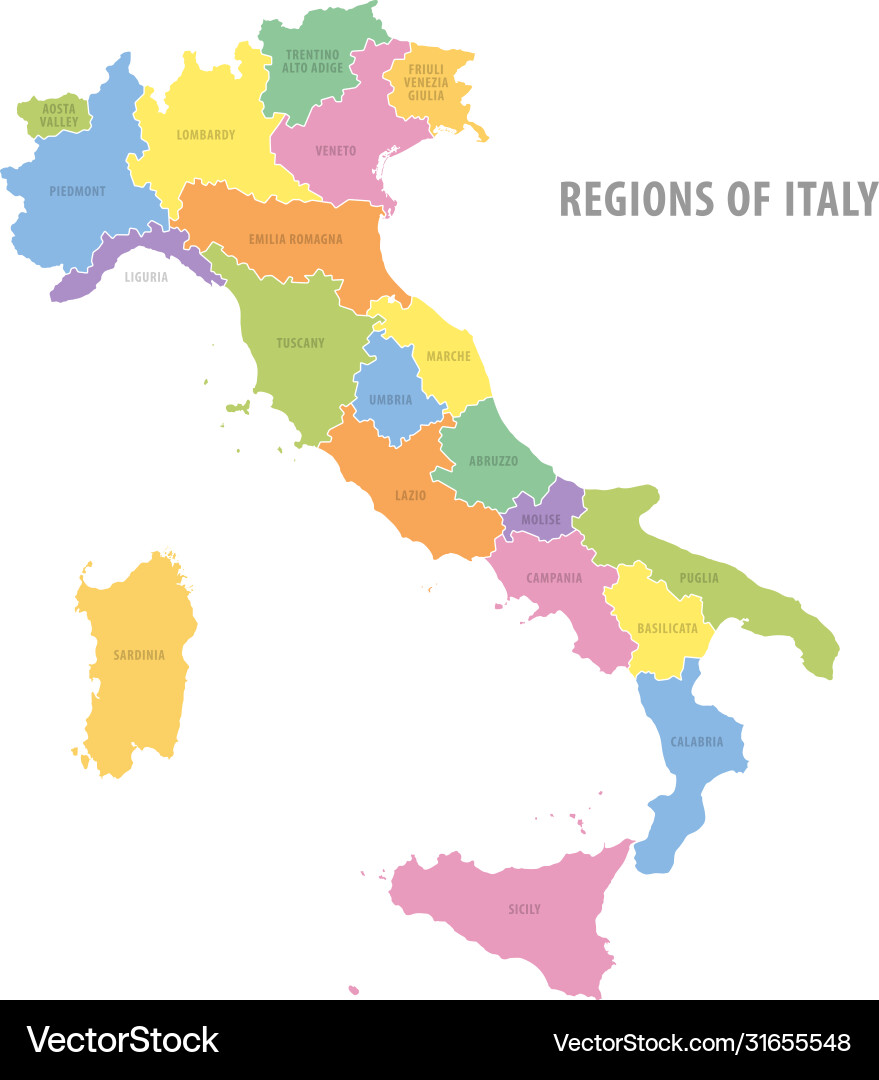
Italy has 20 regions, which are the largest administrative units. Among these, 15 are ordinary regions, while the other 5 have special autonomy. The special regions include:
- Sicily
- Sardinia
- Trentino-Alto Adige
- Friuli-Venezia Giulia
- Valle d’Aosta
These regions have unique powers and responsibilities, often related to cultural, linguistic, and historical aspects of their respective areas.
Provinces (Province)
The next level down is the province, which serves as the second-tier administrative division. As of the latest data, Italy has 110 provinces. These provinces act as intermediaries between the regions and the communes, helping to manage local governance and services.
Each province is responsible for various administrative functions, such as public health, transportation, and infrastructure. They also play a key role in implementing regional policies and ensuring that national laws are applied consistently at the local level.
Communes (Comuni)
At the smallest level are the communes, or municipalities. There are over 8,000 communes in Italy, each with its own local government. Communes handle day-to-day services like garbage collection, street lighting, and public transportation. They also maintain vital records such as births, deaths, and marriages.
Key Facts About Italian Provinces
To better understand the significance of Italy’s provinces, here are some important facts:
- Number of Provinces: 110
- Provinces with Special Status: Some provinces have unique administrative roles, especially those in the special regions.
- Provincial Councils: Each province has an elected council, an executive committee, and a president, similar to the structure of communes.
- Administrative Functions: Provinces are responsible for managing public services, coordinating with regional governments, and enforcing national laws within their boundaries.
The Role of Provinces in Italian Governance
Provinces play a crucial role in the Italian administrative system. They serve as a bridge between the regional and local levels, ensuring that policies and services are effectively implemented. Here are some key responsibilities of provinces:
- Public Health Services: Managing healthcare facilities and ensuring access to medical care.
- Transportation: Overseeing local roads, public transit systems, and infrastructure development.
- Education: Supporting schools and educational institutions within the province.
- Environmental Protection: Implementing policies to preserve natural resources and promote sustainability.
Provinces vs. Metropolitan Cities
In recent years, some provinces have been reorganized into metropolitan cities (città metropolitane). These are larger urban areas with increased administrative powers. There are currently 4 metropolitan cities in Italy:
- Milan
- Naples
- Bologna
- Palermo
These cities have more autonomy than traditional provinces, allowing them to manage larger populations and more complex urban challenges.
Exploring Italy’s Provinces
If you’re interested in exploring Italy’s provinces, there are several ways to do so:
- Interactive Maps: Use online maps to visualize the boundaries and locations of each province.
- Free Downloads: Access free maps of Italy’s regions and provinces to study their geography.
- Custom Maps: Create your own custom map to analyze population data, economic trends, or cultural landmarks.


Conclusion
Understanding how many Italian provinces there are is just the beginning of exploring Italy’s intricate administrative system. With 110 provinces, each playing a vital role in governing the country, it’s clear that this structure is essential for maintaining order, delivering services, and preserving the unique characteristics of each region.
Whether you’re a student, traveler, or simply curious about Italy’s geography, knowing the country’s administrative divisions can enhance your appreciation of its complexity and diversity. So, the next time someone asks, “How many Italian provinces are there?” you’ll be ready with a complete and informative answer.
Ready to explore more? Start by downloading a map of Italy’s provinces and dive deeper into the country’s fascinating administrative landscape today!