Italy, a country known for its rich cultural heritage, historical landmarks, and vibrant cuisine, also possesses a robust economic foundation that places it among the world’s leading economies. But how much does Italy have in terms of resources, wealth, and economic strength? This article explores the nation’s economic landscape, natural resources, and global standing to provide a comprehensive understanding of what makes Italy a significant player on the international stage.
Economic Overview: A Strong and Diversified Economy
Italy’s economy is one of the largest in the world, ranking as the 8th largest GDP globally with a total output of approximately $2.37 trillion in 2024. On a per capita basis, this translates to around $40,226, reflecting the average income of an Italian citizen. When adjusted for purchasing power parity (PPP), the GDP rises to $3.59 trillion, indicating a more accurate measure of the population’s real purchasing power.
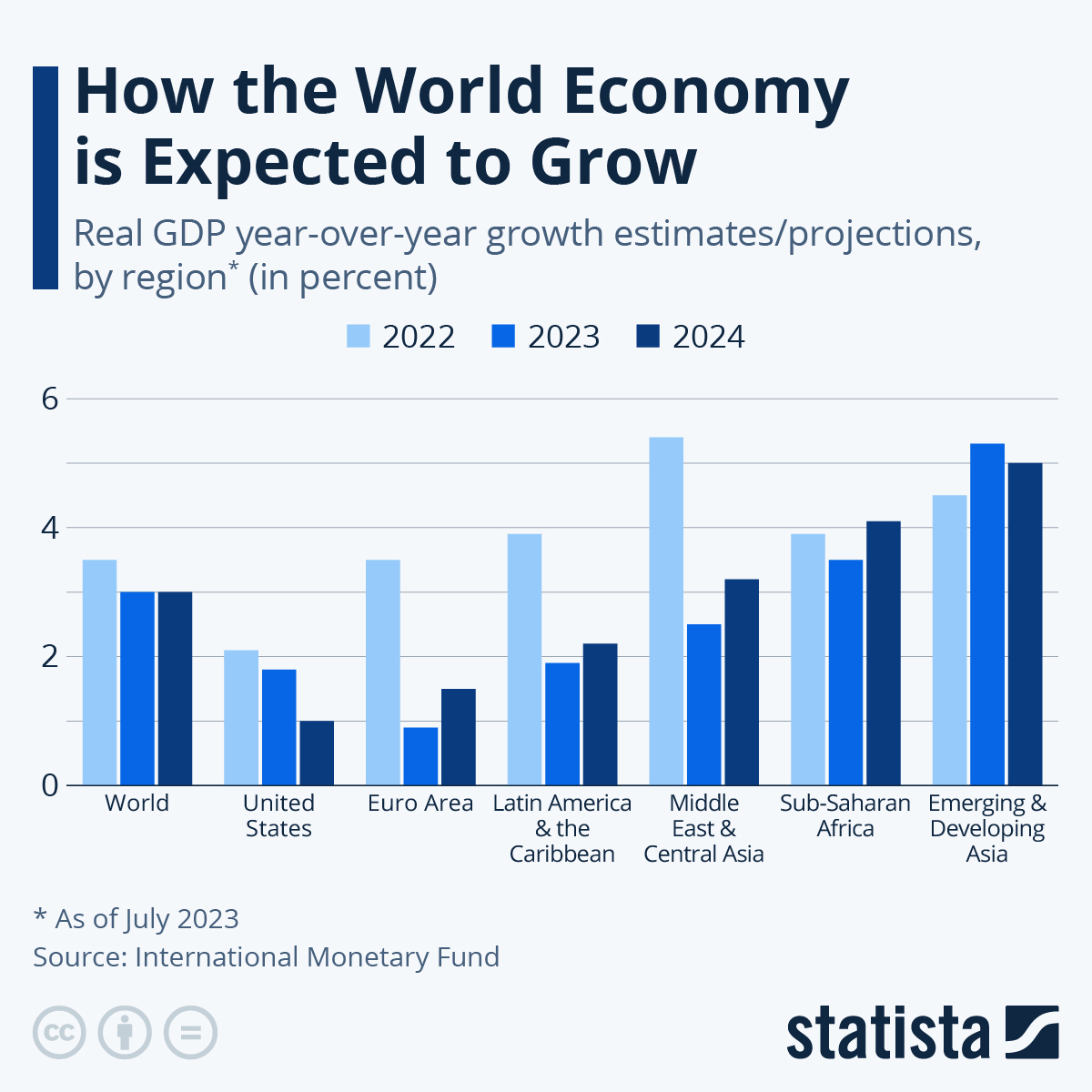
The economy has shown modest growth over recent years, with a growth rate of 0.7% in 2024, despite challenges such as high energy prices, inflation, and geopolitical tensions. Inflation, measured by the Consumer Price Index (CPI), remained relatively low at 1.0% in 2024, signaling a stable price environment.
Trade and Investment Dynamics

Italy maintains a balanced trade profile, with exports accounting for 32.7% of GDP and imports making up 30.4% in 2024. The country attracts significant foreign direct investment (FDI), with inflows representing 0.92% of the economy. This performance places Italy at 137th out of 190 countries in terms of FDI competitiveness, highlighting its appeal as a destination for foreign capital.
Personal remittances from the Italian diaspora contribute significantly to the economy, amounting to $11.15 billion annually. Additionally, tax collections represent 24.8% of GDP, supporting essential state functions and public services.
Socio-Economic Indicators: Income, Employment, and Poverty
Italy’s Gross National Income (GNI) per capita stands at $38,290 in 2024, placing the country 27th out of 191 nations. This figure reflects the overall economic well-being of its citizens. However, the labor market remains stable, with an unemployment rate of 6.8% in 2024. The majority of the workforce is concentrated in the services sector, which accounts for 69.8% of total employment in 2023.
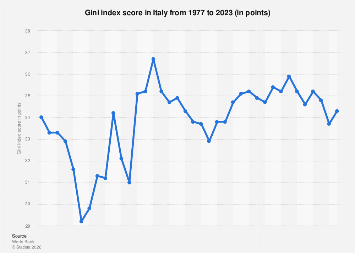
Despite its economic strength, poverty remains a pressing issue. Approximately 20.1% of the population lives below the national poverty line, according to data from 2021. However, the country maintains a relatively equitable distribution of income, as reflected in a low Gini index of 34.3 in 2023.
Natural Resources and Industrial Strength

Italy is not just known for its cultural treasures; it also possesses a wealth of natural resources. While it is not a major oil or gas producer, the country benefits from:
- Agricultural land: Italy is a leading producer of olive oil, wine, and tomatoes.
- Mineral resources: The country has deposits of coal, iron, and other minerals, though these are not heavily exploited.
- Tourism: As a top tourist destination, Italy generates significant revenue from its historic sites, art, and natural beauty.
The industrial base is concentrated in the northern regions, particularly in cities like Turin, Milan, and Venice, which are known for their manufacturing, automotive, and fashion industries. These areas account for more than 50% of Italy’s national income.
International Trade and U.S.-Italy Relations

Italy maintains strong trade relations with the United States, with two-way trade in goods and services reaching $137.6 billion in 2024. U.S. exports to Italy totaled $44.4 billion, while imports from Italy amounted to $93.2 billion, resulting in a trade deficit of $48.8 billion.
The U.S. is Italy’s second-largest export market after Germany, with U.S. imports from Italy totaling $76.3 billion in 2024. Conversely, Italian FDI in the U.S. reached $54.7 billion in 2024, marking a significant increase from previous years.
Government and Policy Initiatives
The current Italian government, led by Prime Minister Giorgia Meloni, has focused on addressing economic and geopolitical challenges, including the aftermath of the Ukraine conflict and the implementation of the National Recovery and Resilience Plan (NRRP). This plan, worth €194.4 billion, aims to support Italy’s recovery from the pandemic and enhance long-term economic resilience.
Conclusion: A Nation of Strength and Potential
Italy’s economic and resource landscape demonstrates its status as a key player on the global stage. With a large GDP, a diversified economy, and a strong industrial base, the country continues to navigate challenges while maintaining stability and growth. From its rich natural resources to its thriving tourism and manufacturing sectors, Italy offers a compelling mix of opportunity and potential.
For those interested in exploring further, whether through travel, investment, or academic research, understanding how much Italy has can open doors to new possibilities and insights into one of Europe’s most dynamic nations.
Call to Action: If you’re considering investing in Italy, planning a visit, or simply curious about its economic strengths, take the next step by exploring official sources or consulting with experts in international trade and finance. Discover how much Italy truly has to offer.