Italy, known for its rich cultural heritage and dynamic political landscape, has a unique electoral system that shapes the country’s governance. For those interested in understanding how often Italian elections are held, it’s essential to explore the structure of the country’s political framework, the frequency of general elections, and the role of local and regional voting cycles.
Understanding the Electoral Framework
Italy operates under a parliamentary republic system, where the government is formed by the majority party or coalition in the Parliament. The Parliament consists of two houses: the Chamber of Deputies (400 members) and the Senate (200 members). These legislative bodies are elected through a mixed electoral system that combines both first-past-the-post (FPTP) and proportional representation mechanisms.
The electoral law of 2017 remains in effect, ensuring that:
- 147 deputies are elected via FPTP in single-member constituencies.
- 245 deputies are chosen through national proportional representation.
- 8 deputies represent Italian citizens abroad.
- 74 senators are elected via FPTP in single-member constituencies.
- 122 senators are selected through regional proportional representation.
- 4 senators represent Italians living abroad.
This system ensures a balance between direct representation and proportional fairness, reflecting the diversity of Italy’s electorate.
Frequency of General Elections
One of the most common questions about Italian elections is, how often are they held? Under the current legal framework, general elections must be held no later than 22 December 2027, as stated in the reference text. However, this date is not fixed; it can be adjusted based on political developments or constitutional amendments.
In practice, general elections in Italy typically occur every four years, aligning with the term limits of the Parliament. However, there have been instances of snap elections—early elections called before the scheduled date due to political instability, loss of confidence in the government, or other urgent circumstances.
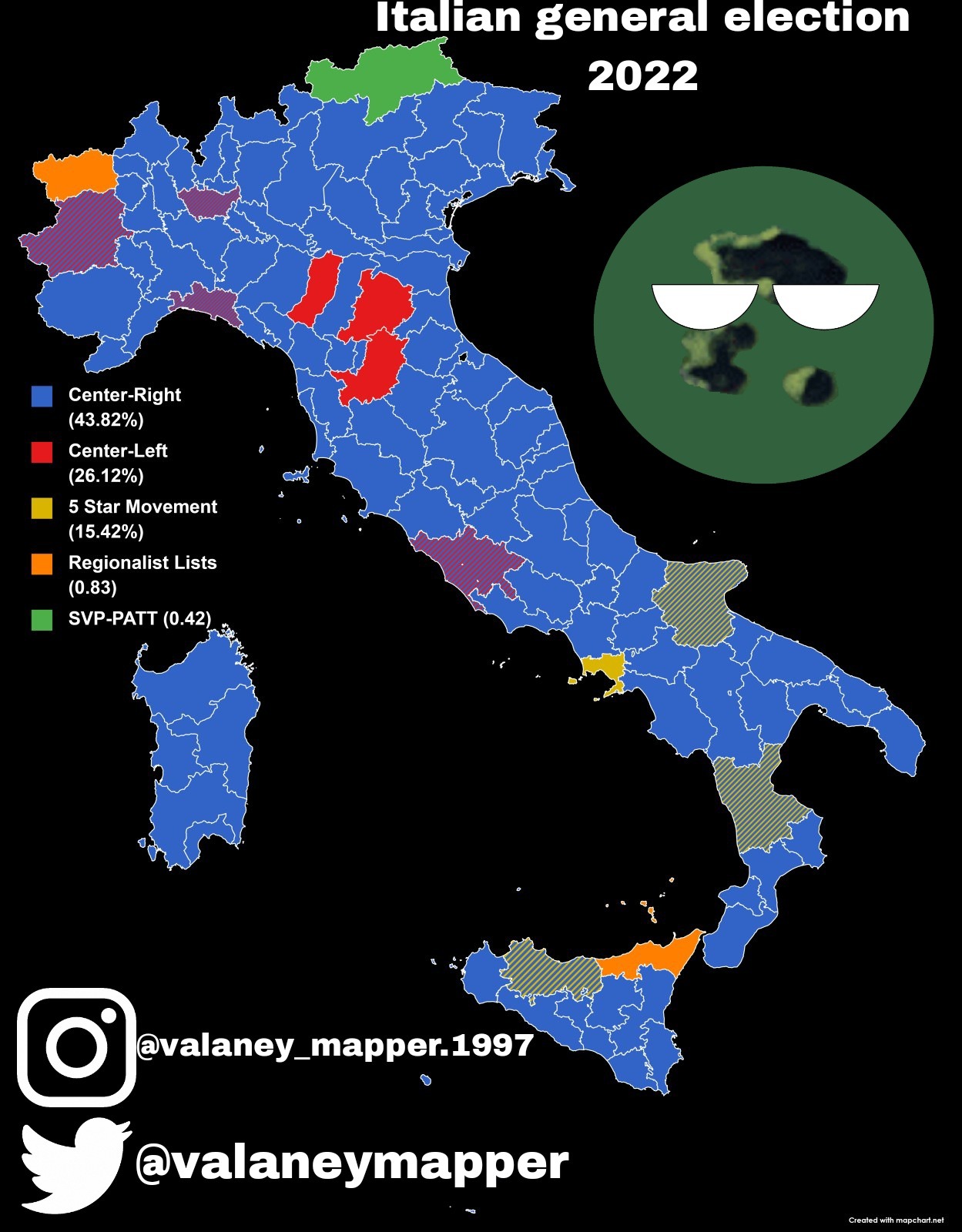
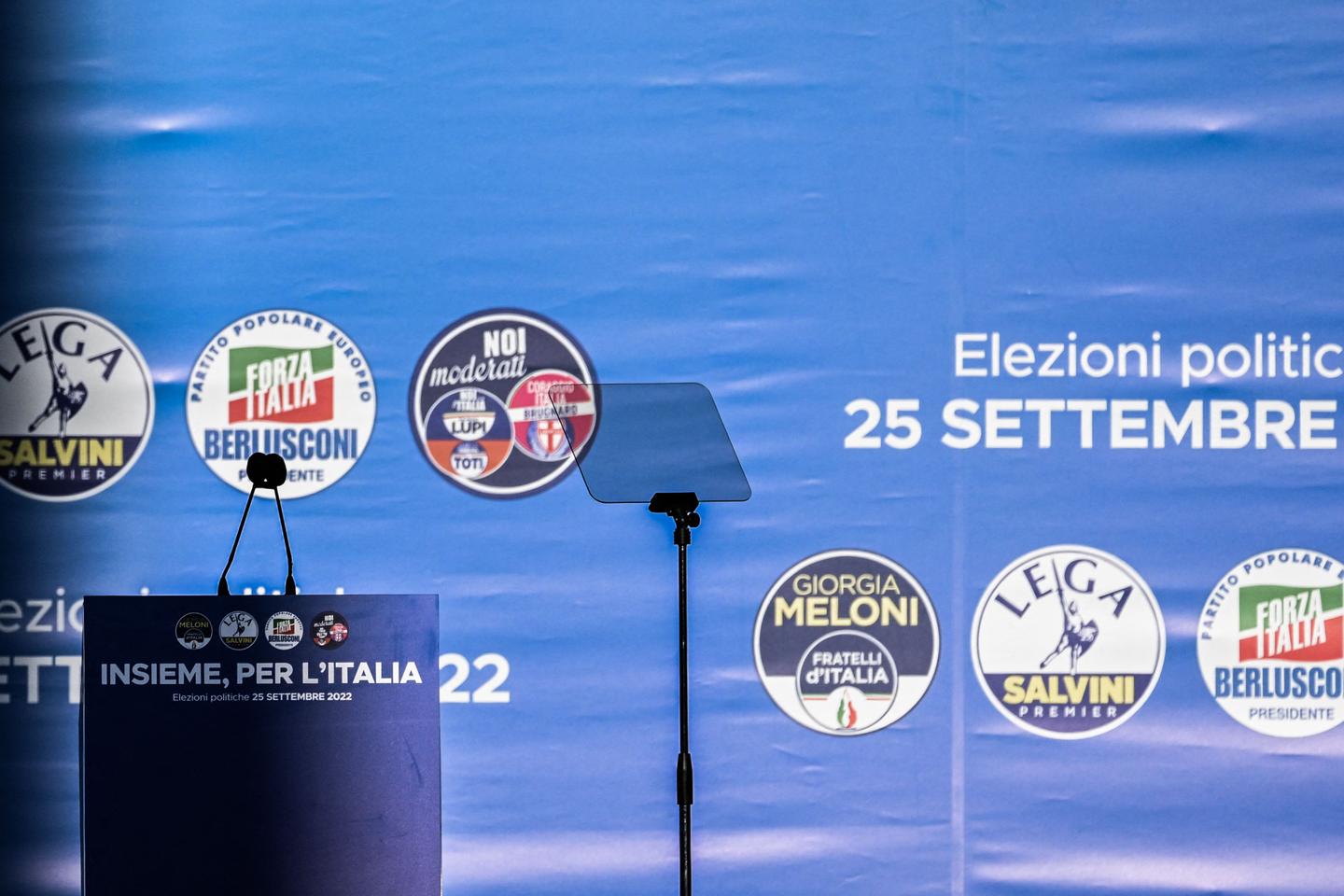
For example, the last general election took place on 25 September 2022, and the next one is expected to follow the four-year cycle unless an early call is made.
Local and Regional Elections
Beyond general elections, Italian citizens also participate in local and regional elections. These are held more frequently and vary depending on the region. In some cases, regional elections may occur every five years, while municipal elections can take place annually or biennially.
Local elections are crucial for determining the leadership of cities, provinces, and regions, and they often reflect the broader political trends seen in national elections. These elections allow voters to directly influence policies related to infrastructure, public services, and local governance.
Snap Elections and Political Uncertainty
Snap elections are a unique feature of the Italian political system. They are typically called when the ruling government loses the confidence of the Parliament or when a new political force gains significant support. This can lead to a shift in power and a reconfiguration of the political landscape.
A notable example occurred in 2022 when the center-right coalition, led by Giorgia Meloni’s Brothers of Italy (FdI), won a decisive victory in the snap election. This marked a significant shift in Italian politics, as the coalition secured a majority in both the Chamber of Deputies and the Senate.
Key Dates and Upcoming Elections
As of now, the next general election is set for no later than 22 December 2027, but this date could change. Voters should keep an eye on official announcements from the Italian government and the Ministry of Interior for updates.
In addition to national elections, regional and municipal elections will continue to shape the political environment in the coming years. These events offer opportunities for citizens to engage in the democratic process and influence their communities.
Why Italian Elections Matter
Understanding how often Italian elections are held is more than just a matter of dates—it reflects the health of the country’s democracy. Frequent elections ensure that the government remains accountable to the people and that political power is regularly renewed.
Moreover, the complexity of Italy’s electoral system means that voters must stay informed about the rules, candidates, and issues at stake. This includes understanding the mixed-member majoritarian representation system, which allows for both direct and proportional voting.
Conclusion
In summary, Italian elections are held every four years under the current framework, with the next general election expected no later than 22 December 2027. However, the possibility of snap elections adds an element of unpredictability to the political landscape. Local and regional elections also play a vital role in shaping the country’s governance.
For those interested in staying updated on Italian elections, following news from reputable sources such as the Italian government, international media outlets, and political analysts is essential. By understanding the frequency and structure of these elections, citizens can better engage with the democratic process and contribute to the future of Italy.