Italy is a country where food is more than just sustenance—it’s a way of life. From the bustling markets of Rome to the quiet countryside of Tuscany, the Italian approach to eating is deeply rooted in tradition, community, and an appreciation for quality ingredients. But how often do Italians actually eat certain foods? This article explores the frequency and patterns of Italian eating habits, offering insights into what and how they consume.
The Role of Pasta in Italian Diets
Pasta is one of the most iconic foods associated with Italy, but the stereotype that Italians eat it every day is far from accurate. While pasta is a staple in Italian cuisine, it is typically served as a “primo piatto,” or first course, following the antipasto and preceding the main course, known as “secondo piatto.” This structure allows for a balanced meal that includes a variety of foods, not just pasta.
Regional Variations in Pasta Consumption
The frequency of pasta consumption varies significantly across different regions of Italy. In the north, particularly in regions like Piedmont and Lombardy, risotto and polenta are as common as pasta, often served with rich and creamy sauces. In contrast, the southern regions, such as Campania and Apulia, have a stronger tradition of pasta dishes, with spaghetti, orecchiette, and cavatelli being favorites. Understanding these regional variations provides a more accurate picture of pasta consumption in Italy.
Portion Sizes and Moderation
Italians generally consume smaller portions of pasta compared to what is commonly served in restaurants outside of Italy. This emphasis on quality over quantity ensures that pasta is enjoyed without excessive indulgence. The Mediterranean Diet, which is characteristic of southern Italy, emphasizes whole grains, fruits, vegetables, and healthy fats, providing a balanced nutritional profile.
Other Common Foods in Italian Diets
While pasta is a significant component of the Italian diet, it is not the only food that Italians consume regularly. Here are some other common foods and their typical frequency of consumption:
Bread
Bread is a daily staple in Italian households, often served with meals or used as a base for bruschetta. It is typically consumed in moderation, paired with olive oil, tomatoes, and herbs.
Seafood
In coastal regions, seafood is a frequent part of the diet. Dishes like grilled fish, shrimp, and squid are commonly enjoyed, especially during the summer months.
Vegetables
Fresh vegetables are a key component of the Italian diet, with seasonal produce playing a central role. Tomatoes, eggplants, zucchini, and peppers are frequently used in various dishes.
Cheese and Dairy
Cheese, particularly Parmigiano-Reggiano and mozzarella, is a regular part of Italian meals. Yogurt and fresh milk are also commonly consumed.
Meat
Meat is typically reserved for special occasions or as part of the “secondo piatto” in a meal. Popular meats include beef, pork, and chicken, often prepared in traditional ways.
Meal Structure and Frequency
Italian meals are structured around multiple courses, with each course serving a specific purpose. This structure not only enhances the dining experience but also influences the frequency of food consumption throughout the day.
Breakfast (Colazione)
Italians typically start their day with a light breakfast, often consisting of a cornetto (similar to a croissant) and a cappuccino or a simple breakfast of bread, jam, and coffee. Pasta is generally not consumed for breakfast.
Lunch (Pranzo)
Lunch is the most substantial meal of the day, often lasting 1–2 hours. It typically includes a variety of courses, starting with an antipasto, followed by a primo piatto, then a secondo piatto, and ending with a dolce.
Dinner (Cena)
Dinner is usually lighter than lunch and may consist of a single course, such as a pasta dish or a salad. However, it can also include multiple courses, especially on weekends or during special occasions.
Snacks
Snacking between meals is rare in Italy, as the traditional schedule revolves around three satisfying meals—breakfast, lunch, and dinner. When snacks are consumed, they are usually fruit, a coffee, or a handful of nuts rather than processed junk food.
Cultural and Lifestyle Influences
The way Italians eat is deeply influenced by their cultural and lifestyle values. Meals are seen as opportunities to spend time with family and friends, rather than just to satisfy hunger. The concept of “la dolce far niente,” or the sweetness of doing nothing, is closely tied to the Italian approach to meals, emphasizing enjoyment and relaxation.
Social Aspects
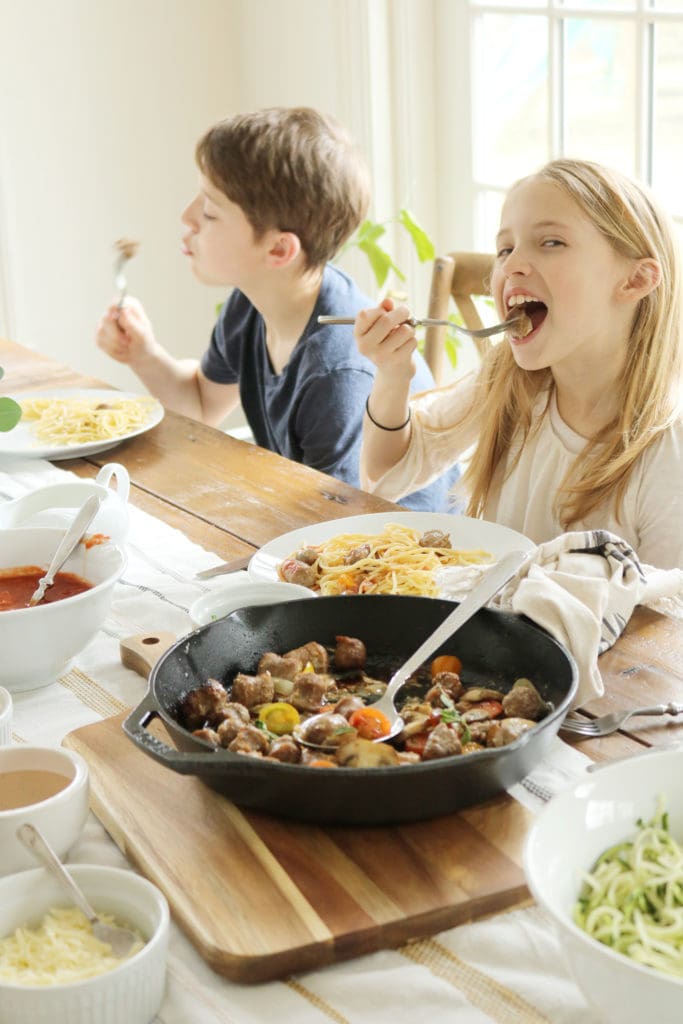
Meals in Italy are often social events where families and friends gather for long conversations. Dining often stretches over hours, giving the body time to recognize fullness before overeating. This unhurried pace lets people savor flavors and enjoy each bite instead of rushing through a plate.
Physical Activity
Italian cities and towns are built for walking, and most Italians incorporate physical activity into their daily routines without thinking of it as “exercise.” Walking to the market, strolling to meet friends for coffee, and taking evening passeggiatas (leisurely walks) through their neighborhoods are common activities.
Conclusion
Understanding how often Italians eat certain foods requires looking beyond stereotypes and recognizing the complexity of their culinary traditions. While pasta is a beloved staple, it is not consumed daily as often believed. Instead, it is part of a balanced diet that includes a variety of foods, reflecting the country’s rich cultural heritage and emphasis on quality ingredients.
By exploring the nuances of Italian eating habits, we gain a deeper appreciation for the culture and lifestyle that shape their approach to food. Whether you’re a food enthusiast, a traveler, or simply interested in learning more about Italian culture, understanding the role of food in Italian life can enrich your experience and broaden your perspective.
Call to Action: If you’re interested in experiencing Italian cuisine firsthand, consider visiting Italy and immersing yourself in its vibrant food culture. Explore local markets, dine at traditional trattorias, and engage with the community to truly appreciate the richness of Italian eating habits.