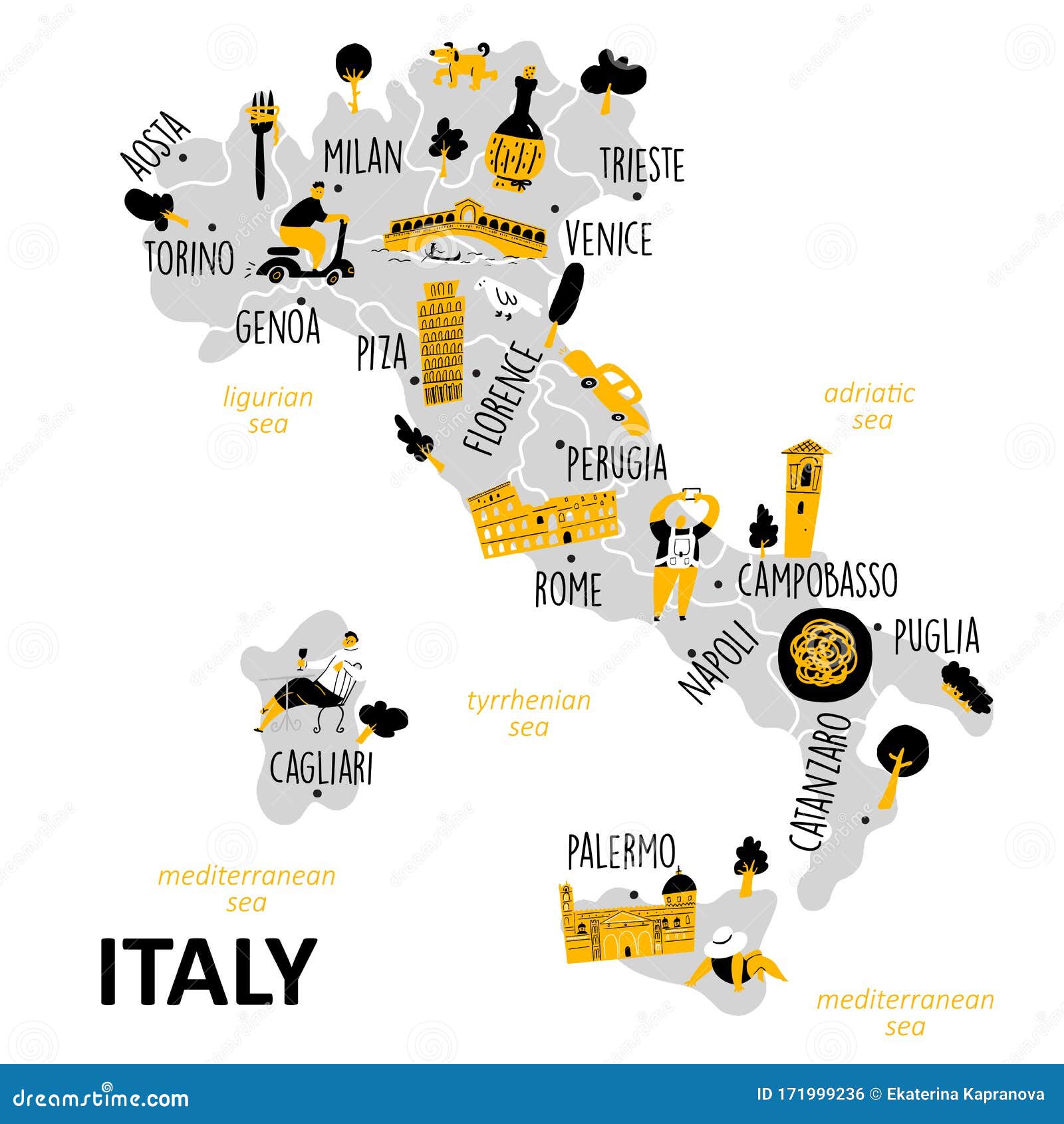

Italy, with its rich history, breathtaking landscapes, and vibrant culture, is a dream destination for many travelers. But if you’re planning multiple trips to this beautiful country, you might be wondering: how many times can I visit Italy in a year? This article will explore the rules and regulations that govern travel to Italy, particularly for U.S. citizens, and provide you with the information you need to plan your visits wisely.
Understanding the Schengen Area Rules
Italy is part of the Schengen Area, a group of 26 European countries that have abolished border controls between them. This means that once you enter any Schengen country, you can travel freely within the area without additional checks. However, there are specific rules about how long you can stay in the Schengen Zone:
- 90 days: You can stay in the Schengen Area for a maximum of 90 days within any 180-day period.
- Rolling window: The 180-day period is a rolling window, meaning that every time you enter the Schengen Area, you must account for the days you’ve already spent in the zone.
This rule applies to all travelers, including U.S. citizens, who are allowed to visit Italy without a visa for short stays (up to 90 days). However, if you exceed the 90-day limit, you may face entry restrictions or be denied access.
How Many Times Can You Visit Italy in a Year?

The short answer is: you can visit Italy multiple times in a year, as long as your total stay does not exceed 90 days within any 180-day period.
Here’s how it works:
- Three 30-day trips: You could take three separate trips of 30 days each, totaling 90 days.
- One 90-day trip: Alternatively, you could spend a full 90-day stay in Italy.
- Any combination: You can also mix and match, such as a 45-day trip followed by a 30-day trip, as long as the total doesn’t go over 90 days.
It’s important to keep track of your travel dates to ensure compliance with these rules. You can use travel apps or a simple calendar to log your entries and exits from the Schengen Area.
What About Multiple Entries?
If you’re planning to visit Italy multiple times, you’ll want to consider the type of visa you hold:
- Single-entry visa: Allows only one entry into the Schengen Area during the validity period.
- Multiple-entry visa: Permits multiple entries, as long as the total stay does not exceed 90 days in any 180-day period.
U.S. citizens do not require a visa for short stays, but if you’re planning to visit frequently, you may want to apply for a long-stay visa or a multiple-entry Schengen visa to simplify your travel.
What Happens If You Exceed the 90-Day Limit?

Exceeding the 90-day limit can result in several consequences:
- Entry denial: You may be refused entry at the border.
- Fines or penalties: In some cases, you could face fines or other legal repercussions.
- Travel restrictions: Your future travel to the Schengen Area may be limited.
To avoid these issues, always monitor your travel days and plan your trips accordingly.
Other Important Considerations
1. ETIAS Requirement (Expected in 2026)
Starting in 2026, U.S. citizens will need to obtain an ETIAS (European Travel Information and Authorization System) authorization before traveling to the Schengen Area. This is not a visa, but a pre-travel screening that will help enhance security and manage tourist flows.
2. Passport Validity
Your passport must be valid for at least three months beyond your intended departure date from the Schengen Area. This is a common requirement for all travelers.
3. Proof of Travel and Accommodation
When entering Italy, you may be asked to show:
– Proof of onward travel (e.g., a return ticket).
– Proof of accommodation (e.g., hotel booking or Airbnb reservation).
4. Currency and Exchange Rates
Italy uses the Euro (€). While the exchange rate between the U.S. dollar and the Euro is relatively stable, fluctuations can affect your budget. It’s wise to check the current exchange rate before your trip.
Tips for Planning Multiple Trips to Italy

If you’re planning to visit Italy more than once in a year, here are a few tips to make the most of your travels:
- Plan your itinerary strategically: Spread out your visits to avoid overlapping stays and maximize your time in different regions.
- Book accommodations in advance: Popular destinations like Rome, Florence, and Venice fill up quickly, especially during peak seasons.
- Learn basic Italian phrases: While many Italians speak English, knowing a few greetings and expressions can go a long way in building connections.
- Invest in travel insurance: This can protect you against unexpected medical expenses, trip cancellations, or lost luggage.
Conclusion
Visiting Italy multiple times in a year is entirely possible, provided you follow the Schengen Area rules and keep track of your total stay. As a U.S. citizen, you can enjoy up to 90 days in Italy within any 180-day period, whether through one long trip or several shorter ones.
By understanding the travel regulations, planning ahead, and respecting local customs, you can make the most of your Italian adventures. So, whether you’re sipping espresso in Rome, strolling through Venice, or soaking up the sun on the Amalfi Coast, remember that Italy is waiting for you — again and again.
Ready to start planning your next trip? Pack your bags, check your passport, and get ready to experience the magic of Italy once more!