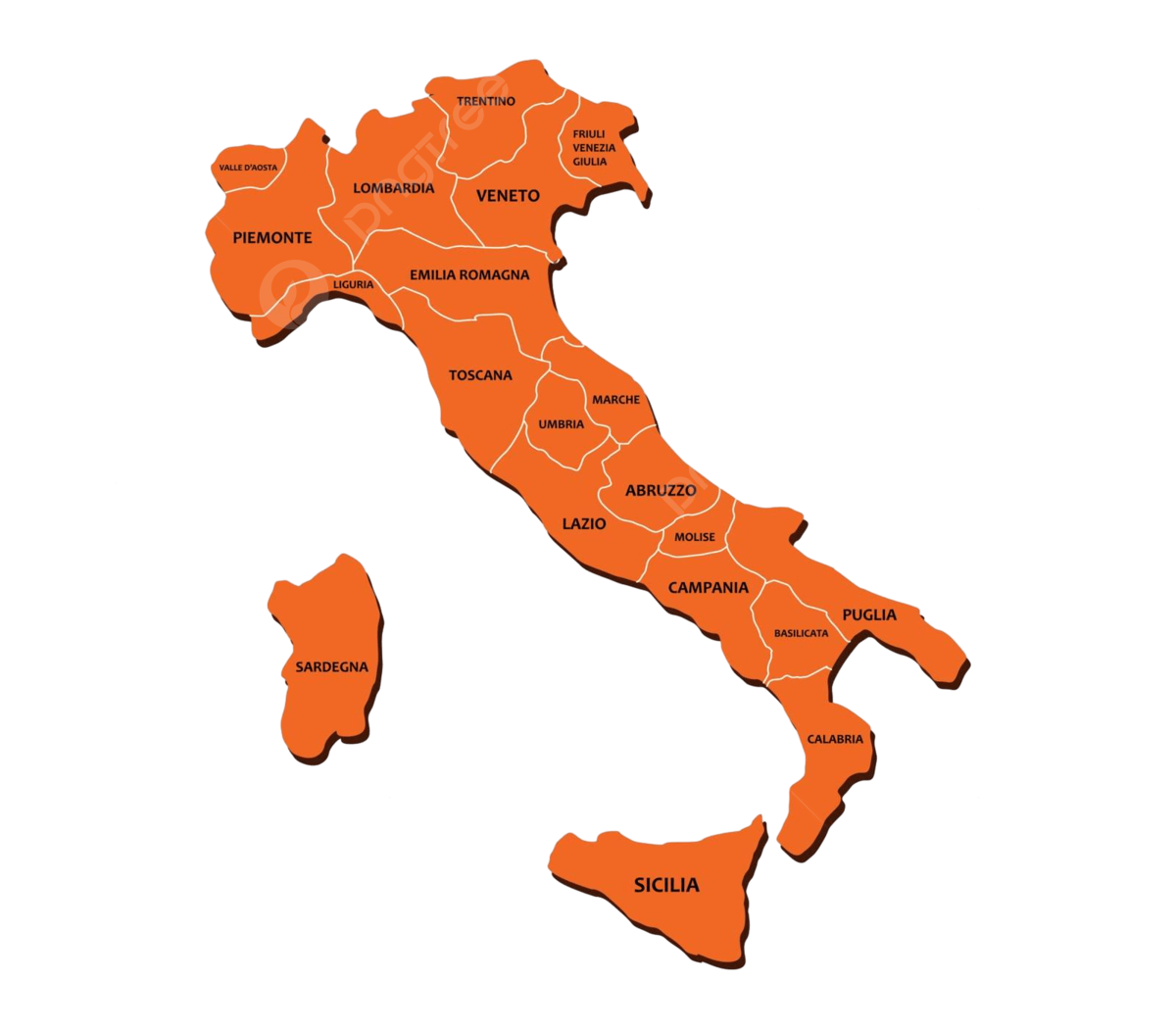
Italy, a country renowned for its rich history, breathtaking landscapes, and vibrant culture, is divided into 20 distinct regions. Each region offers unique experiences, from the snow-capped Alps in the north to the sun-kissed coasts of Sicily in the south. Understanding these administrative divisions can greatly enhance your travel planning and help you discover the diverse charm of this beloved Mediterranean nation.
The 20 Italian Regions

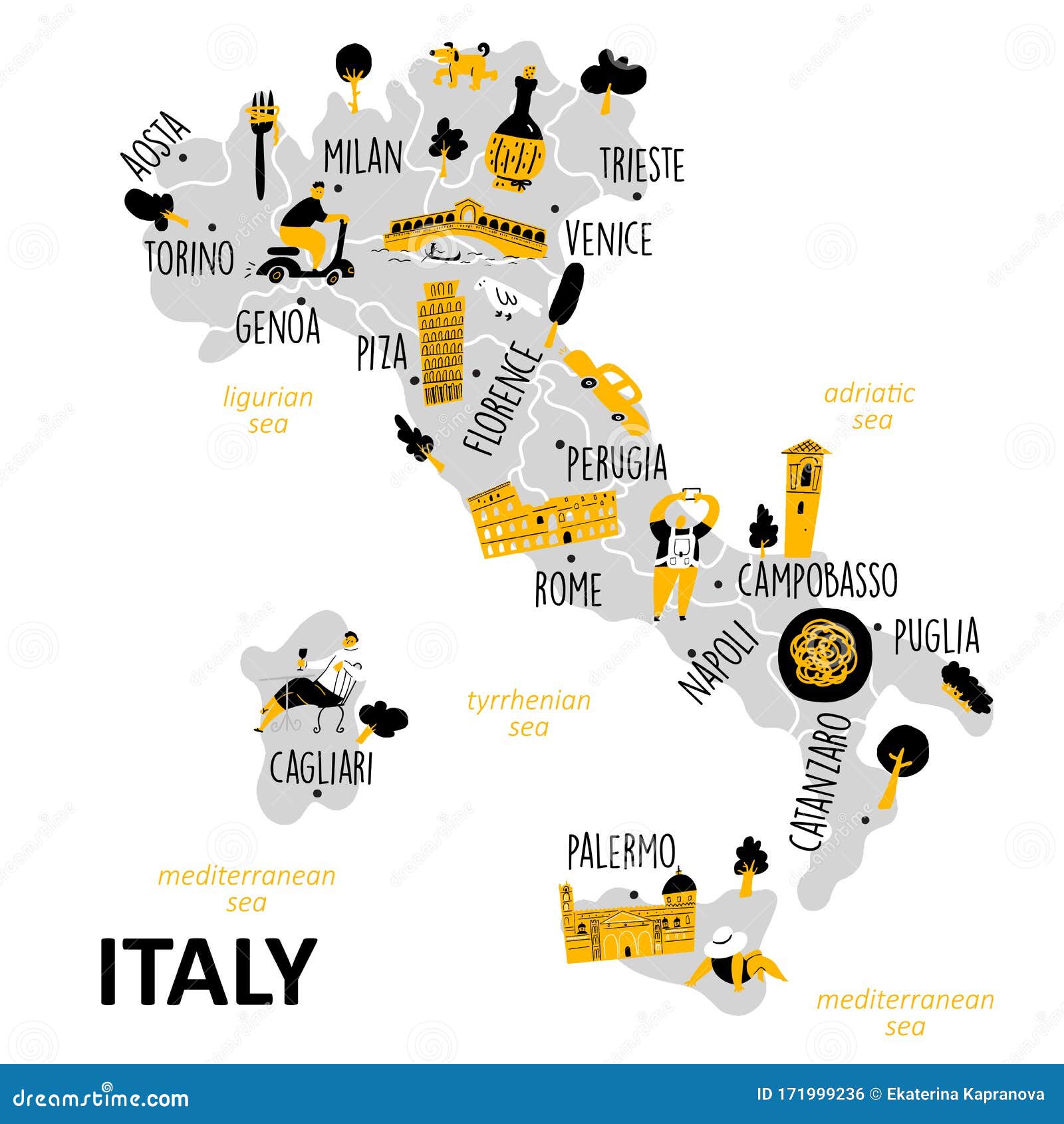
Italy’s 20 regions are:
- Valle d’Aosta
- Piemonte
- Lombardia
- Trentino-Alto Adige/Südtirol
- Veneto
- Friuli-Venezia Giulia
- Liguria
- Emilia-Romagna
- Toscana (Tuscany)
- Umbria
- Marche
- Lazio
- Abruzzo
- Molise
- Campania
- Puglia
- Basilicata
- Calabria
- Sicilia (Sicily)
- Sardegna (Sardinia)
Each region has its own distinct identity, shaped by geography, history, and local traditions.
Why the Number Matters
Understanding how many Italian regions there are is more than just a matter of trivia—it helps travelers plan their itineraries effectively. With 20 regions, each offering different attractions, cuisines, and cultural experiences, it’s easy to see why Italy is such a popular destination. Whether you’re drawn to the art-filled streets of Tuscany, the ancient ruins of Rome, or the pristine beaches of Sardinia, there’s something for every type of traveler.
Regional Highlights

Northern Italy
The northern regions of Italy are characterized by their alpine landscapes and rich culinary traditions. Piemonte is famous for its truffles and wines, while Lombardia is home to the stunning Lake Como and Milan, a hub for fashion and design. Trentino-Alto Adige/Südtirol blends Italian and Austrian influences, offering beautiful mountain scenery and unique cultural experiences.
Central Italy
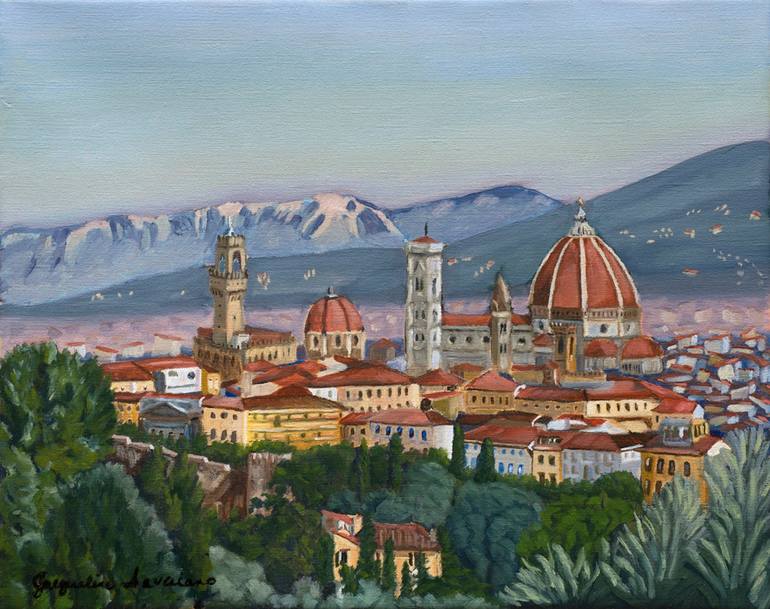
Central Italy is where much of the country’s history and culture come alive. Toscana is known for its Renaissance art and vineyards, while Emilia-Romagna is a food lover’s paradise, home to Bologna and the famous Parmigiano-Reggiano cheese. Lazio, which includes Rome, is a treasure trove of ancient ruins and artistic masterpieces.
Southern Italy
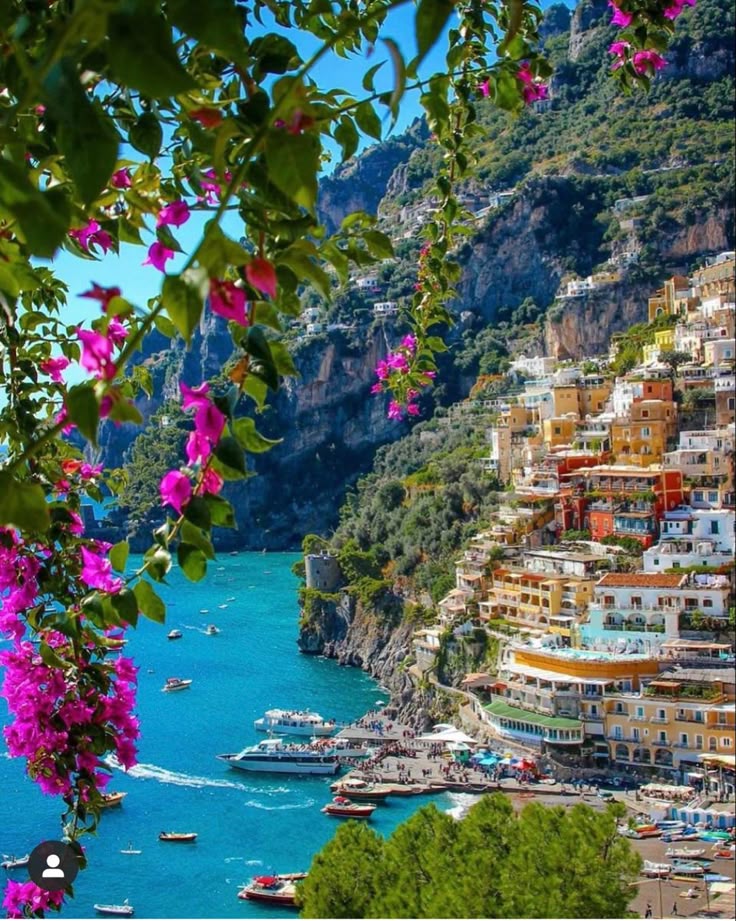
Southern Italy is a land of contrasts, with rugged coastlines, historic cities, and vibrant street life. Campania is home to Naples and the Amalfi Coast, while Puglia offers charming seaside towns and beautiful countryside. Sicily and Sardegna are islands that boast unique cultures, stunning beaches, and rich histories.
Autonomous Regions
Among the 20 regions, five have autonomous status due to their distinct linguistic and cultural identities: Sicily, Sardinia, Aosta Valley, Friuli-Venezia Giulia, and Trentino-Alto Adige/Südtirol. These regions have special statutes that allow them to maintain their unique heritage and governance.
Cultural and Culinary Diversity
One of the most fascinating aspects of Italy’s 20 regions is the diversity of its cultures and cuisines. For example, Liguria is famous for its pesto, while Piemonte is known for its truffle-based dishes. Emilia-Romagna is the birthplace of Parmigiano-Reggiano and balsamic vinegar, and Sicily offers a blend of Arab, Norman, and Spanish influences in its cuisine.
Each region also has its own dialects and traditions, making Italy a living museum of cultural heritage.
Travel Tips for Exploring Italy’s Regions

If you’re planning a trip to Italy, consider the following tips:
- Plan Ahead: Research the regions you want to visit and create an itinerary that allows you to experience each area’s unique offerings.
- Try Local Cuisine: Don’t miss out on regional specialties—each dish tells a story of the area’s history and culture.
- Explore Beyond the Tourist Hotspots: While cities like Rome and Venice are must-visits, don’t overlook the hidden gems in smaller towns and rural areas.
- Use Public Transportation: Italy’s train system is efficient and connects most regions, making it easy to travel between cities and towns.
Conclusion
Italy’s 20 regions offer a world of discovery for travelers. From the alpine peaks of the north to the sunny shores of the south, each region brings something new to the table. Whether you’re a foodie, a history buff, or simply looking for a scenic getaway, Italy has something for everyone.
So, if you’re wondering, “How many Italian regions are there?” remember that the answer is 20—and each one is worth exploring. Start planning your next adventure today and experience the magic of Italy firsthand.