
Italy is a country renowned for its rich history, stunning landscapes, and vibrant culture. Beyond its famous cities like Rome, Florence, and Venice, Italy is also home to a vast number of islands scattered across the Mediterranean Sea. These islands vary in size, population, and cultural significance, offering unique experiences for travelers and locals alike. If you’re wondering, “How many Italian islands are there?” this article will provide a comprehensive guide to the country’s islands.
The Number of Italian Islands
Italy is known for its beautiful coastline, which stretches over 7,600 kilometers. This extensive shoreline is dotted with numerous islands, ranging from large, well-known landmasses to small, uninhabited islets. According to various sources, Italy has approximately 450 islands, though the exact number can vary depending on how islands are defined (e.g., whether they are permanently inhabited or not).
These islands are spread across different regions of Italy, including the Tyrrhenian Sea, the Ionian Sea, and the Adriatic Sea. Some of the most famous islands, such as Sicily and Sardinia, are among the largest in the Mediterranean, while others are much smaller and less well-known.
The Largest Italian Islands
While there are over 450 islands in Italy, only a few are considered major due to their size, population, and historical significance. Here are the five largest:
1. Sicily
Sicily is the largest island in Italy, covering an area of 25,711 km². Located in the southern part of the country, it is separated from the mainland by the Strait of Messina. Sicily is known for its rich cultural heritage, stunning beaches, and Mount Etna, Europe’s tallest active volcano. With a population of over 5 million, it is one of the most populous islands in the Mediterranean.
2. Sardinia
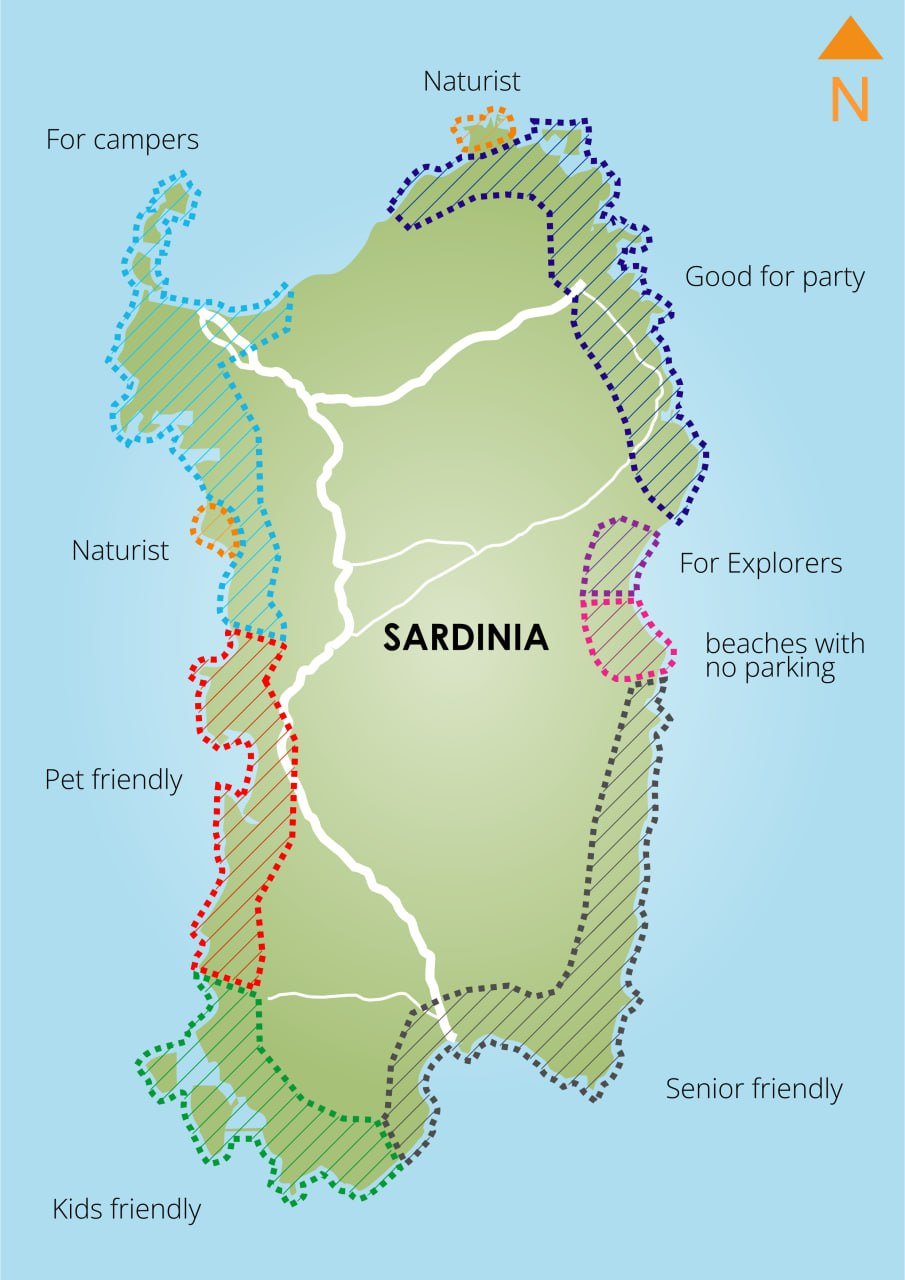
The second-largest island in Italy, Sardinia spans 24,089 km² and is located off the western coast of the Italian Peninsula. Sardinia is often referred to as a “micro-continent” due to its diverse ecosystems, including forests, mountains, and long sandy beaches. It has a population of around 1.6 million and is known for its unique culture and natural beauty.
3. Elba
Elba is the third-largest island in Italy, covering 223 km². Located in the Tyrrhenian Sea, it is part of the Tuscan Archipelago and is best known as the place where Napoleon Bonaparte was exiled. Elba is also home to the Arcipelago Toscano National Park and is a popular destination for nature lovers and history enthusiasts.
4. Sant’Antioco
Sant’Antioco is the fourth-largest island in Italy, with an area of 109 km². It is located near Cagliari, the capital of Sardinia, and is connected to the mainland by a bridge. Sant’Antioco is known for its coastal beauty and is a quiet, less-visited island compared to its larger neighbors.
5. Pantelleria
Pantelleria is the fifth-largest island in Italy, covering 83 km². Situated in the Strait of Sicily, it is a volcanic island known for its hot springs, fumaroles, and unique landscape. With a population of around 7,759, Pantelleria offers a peaceful escape for those seeking tranquility.
Other Notable Italian Islands
Beyond the top five, Italy is home to many other fascinating islands, each with its own charm and attractions. Some of the most popular include:
- Capri: Known for its breathtaking views, luxury resorts, and the famous Blue Grotto.
- Ischia: Often called the “Island of Beauty,” Ischia is famous for its thermal spas and natural hot springs.
- Procida: A lesser-known but equally charming island, Procida is known for its colorful houses and laid-back atmosphere.
- Lipari: The largest of the Aeolian Islands, Lipari is a volcanic island with stunning landscapes and a rich history.
- Lampedusa: Located south of Sicily, Lampedusa is known for its pristine beaches and proximity to Africa.
The Diversity of Italian Islands
Italian islands come in all shapes and sizes, offering a wide range of experiences for visitors. From the bustling tourist spots of Capri and Sicily to the tranquil retreats of Elba and Lampedusa, each island has its own unique character. Some islands are ideal for adventure seekers, while others are perfect for relaxation and exploration.
In addition to their natural beauty, many Italian islands have a rich cultural heritage. For example, the Aeolian Islands are steeped in mythology, while the Tremiti Islands offer a mix of history and natural wonders.
Conclusion
Italy’s islands are a testament to the country’s geographical diversity and cultural richness. Whether you’re looking for a beach vacation, a historical journey, or a peaceful getaway, there’s an Italian island that suits your interests. From the massive and bustling Sicily to the serene and secluded Lampedusa, each island offers something special.
If you’re planning a trip to Italy, consider exploring one of its many islands. You’ll discover a world of beauty, history, and unforgettable experiences. So, the next time you ask, “How many Italian islands are there?” remember that the answer is more than just a number—it’s a gateway to a world of wonder.