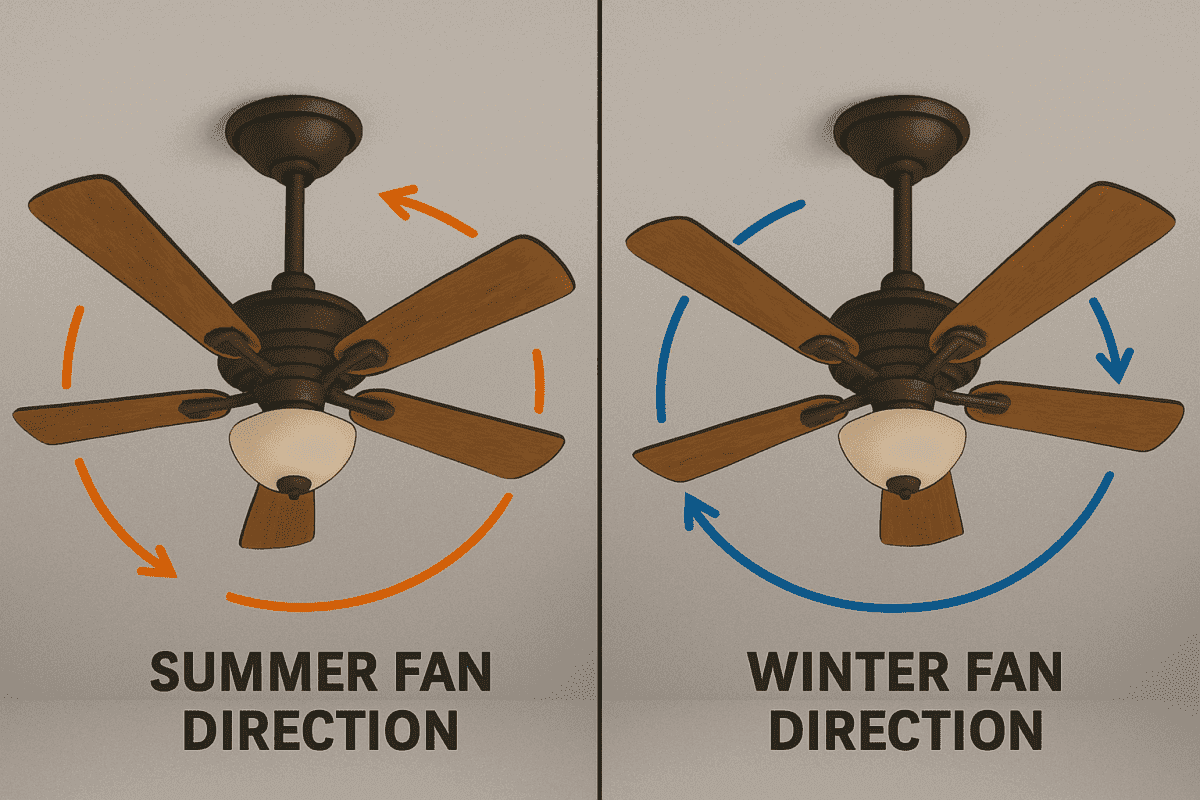
Ceiling fans are often overlooked when it comes to home comfort and energy efficiency. However, understanding how to properly adjust your ceiling fan direction can significantly impact your comfort and utility bills. While many people assume that ceiling fans simply circulate air, the direction in which they rotate plays a crucial role in how effectively they cool or warm a space. In this guide, we’ll explain why your ceiling fan should spin clockwise in summer and how to make the most of its cooling power.
Understanding Ceiling Fan Direction
Before diving into the specifics of summer settings, it’s important to understand how ceiling fans work. The direction of rotation determines whether the fan pushes air downward (for cooling) or pulls it upward (for warming). This is due to the angle of the fan blades, which are designed to move air in a specific direction based on their rotation.
In the summer, the goal is to create a cooling breeze by pushing air downward. This is achieved by rotating the fan counterclockwise when viewed from below. Conversely, in the winter, the fan should rotate clockwise to gently circulate warm air that has risen to the ceiling back down to where you’re sitting.
But here’s the twist: many people confuse the direction for summer and winter. In fact, the correct direction for summer is counterclockwise, not clockwise. This is a common misconception that can lead to less effective cooling and higher energy costs.
Why Clockwise Isn’t Right for Summer
If your ceiling fan is spinning clockwise during the summer months, it’s likely not providing the cooling effect you need. When a fan spins clockwise, it pulls air upward toward the ceiling rather than pushing it downward. This results in less airflow at the level where you’re sitting, making the room feel warmer instead of cooler.
The science behind this is simple: the angled blades of a ceiling fan are designed to move air in one direction depending on the rotation. When spinning counterclockwise, the blades push air downward, creating a wind-chill effect that cools your skin and makes the room feel more comfortable. If the fan is spinning the wrong way, you’re essentially working against the design of the fan itself.
How to Change Your Ceiling Fan Direction
Changing your ceiling fan direction is a straightforward process, but it’s essential to do it safely. Follow these steps:
- Turn off the fan using the pull chain or remote control.
- Wait for the blades to stop completely before making any adjustments.
- Locate the direction switch on the fan. This is typically found on the motor housing or near the light fixture.
- Toggle the switch to change the rotation direction. On traditional fans, this is usually a small slide switch. On smart or remote-controlled fans, use the remote or app to reverse the direction.
- Turn the fan back on and test the airflow to ensure it’s working correctly.
If you’re unsure about the location of the switch, consult your fan’s manual or look up the model number online for guidance.
Tips for Maximizing Cooling Efficiency

Once your fan is set to the correct direction, there are several ways to enhance its cooling performance:
- Adjust the speed: For maximum cooling, set the fan to high speed on hot days. On milder days, use medium or low speeds to avoid discomfort from strong drafts.
- Keep blades clean: Dust buildup on fan blades increases energy consumption and reduces airflow. Clean the blades once a week to maintain efficiency.
- Ensure proper height: Ceiling fans should be installed 7 to 9 feet above the floor for optimal performance. Use a downrod for high ceilings to bring the fan closer to the living area.
- Use in conjunction with AC: A ceiling fan doesn’t lower the temperature, but it enhances the cooling effect of your air conditioner. This means you can raise your thermostat setting and still stay comfortable, reducing energy costs.
Special Considerations for Different Rooms
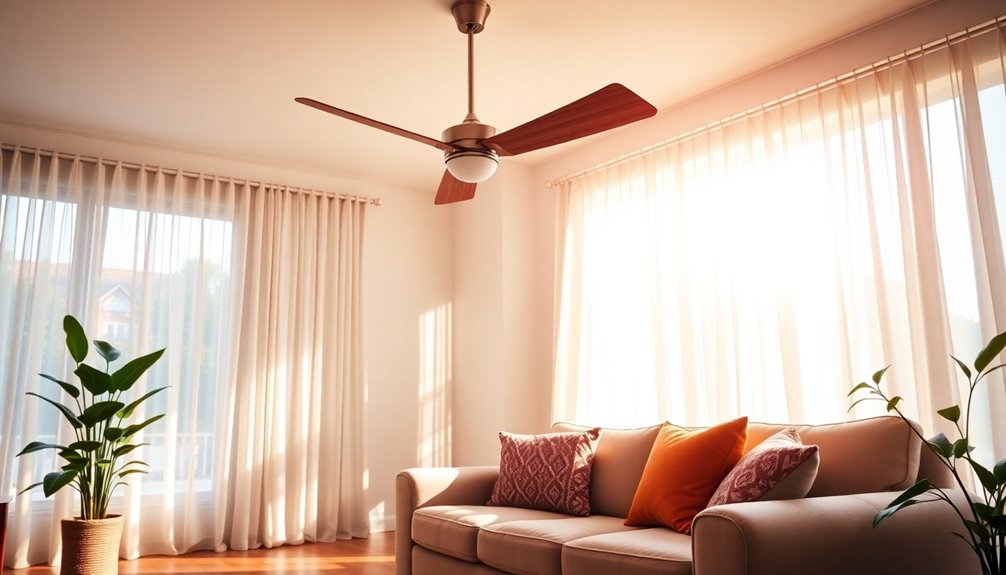
Not all rooms are the same, and your ceiling fan setup may vary depending on the space:
- High ceilings and vaulted rooms: Ensure your fan is mounted with a downrod to direct airflow to the living level. Always keep the fan rotating counterclockwise for cooling.
- Low ceilings and small spaces: Use flush-mount or hugger fans and set the fan to a low speed to avoid uncomfortable drafts.
- Outdoor areas: For outdoor ceiling fans, keep them rotating counterclockwise at a high speed to deter insects like mosquitoes.
Final Thoughts
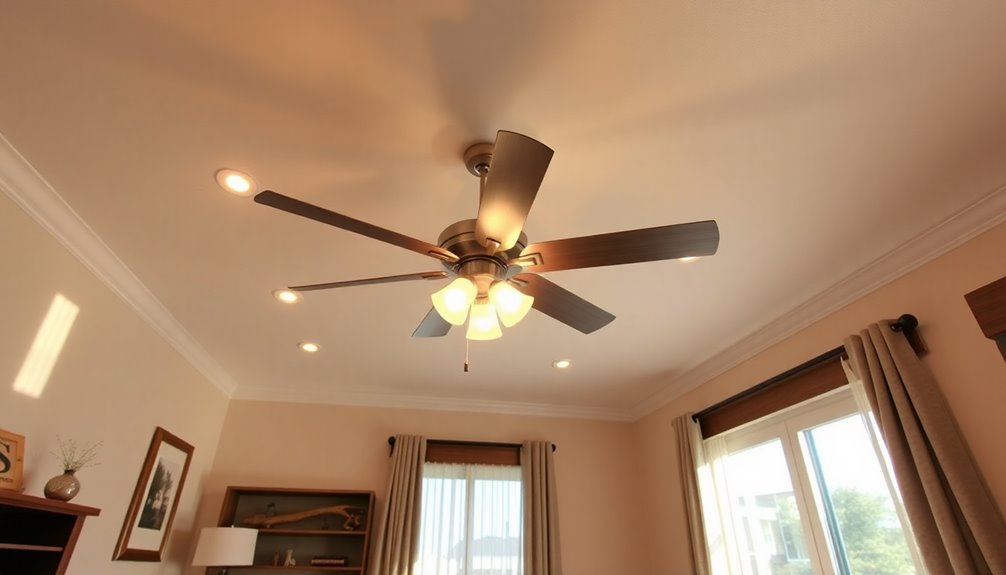
Properly adjusting your ceiling fan direction is a simple yet powerful way to improve comfort and save energy. By ensuring your fan spins counterclockwise in the summer, you’ll enjoy a refreshing breeze that makes your home feel cooler without overworking your air conditioner.
Remember, a ceiling fan doesn’t change the actual temperature of a room—it just helps you feel cooler by moving air across your skin. So take a moment to check your fan’s direction, especially at the start of each season, and make sure you’re getting the most out of your cooling system.
Ready to optimize your home’s cooling? Check your ceiling fan’s direction today and experience the difference it makes in comfort and energy savings.