

As the calendar flips to March, anticipation builds for the first day of spring 2026. This pivotal moment marks the beginning of astronomical spring in the Northern Hemisphere, a time when the Earth’s tilt and orbit around the Sun create a unique balance between daylight and darkness. For many, it’s not just a seasonal change—it’s a symbol of renewal, growth, and the promise of warmer days ahead.
Understanding the First Day of Spring 2026
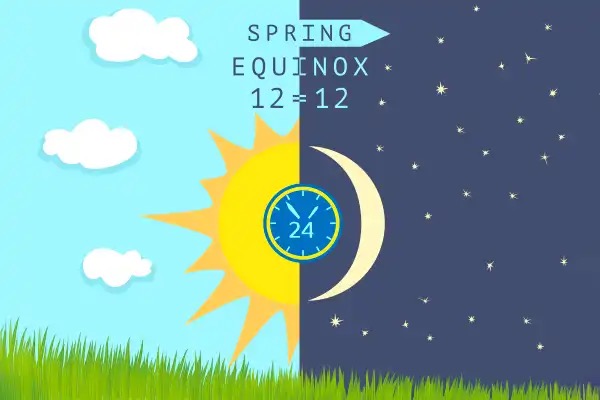
The first day of spring 2026 will occur on Friday, March 20, 2026, at 10:46 a.m. EDT. This date is determined by the March equinox, also known as the vernal equinox, which happens when the sun shines directly on the celestial equator. At this point, the Earth’s axis is tilted neither toward nor away from the sun, resulting in nearly equal lengths of day and night across the globe.
While some may still associate the start of spring with March 21, modern astronomical calculations show that the vernal equinox typically falls between March 19 and March 21, depending on the year and time zone. In 2026, it will be on the 20th, making it one of the earlier starts in recent years.
How the First Day of Spring Differs Around the World
It’s important to note that the timing of the first day of spring varies globally due to different time zones and the Earth’s rotation. Countries located west of Coordinated Universal Time (UTC) will experience the equinox earlier than those located east of UTC. For example, in the United States, the first day of spring 2026 will occur on March 20, while in countries like Japan or New Zealand, it might be observed on March 21.
Additionally, there are two main ways to define the start of spring:
- Astronomical Spring: Based on the Earth’s position relative to the sun, starting with the vernal equinox.
- Meteorological Spring: A fixed period based on the Gregorian calendar, starting on March 1st and ending on May 31st.
For most of the Northern Hemisphere, including the U.S., the astronomical definition takes precedence. However, meteorologists often use the calendar-based approach for weather forecasting and seasonal analysis.
What Happens on the First Day of Spring?

On the first day of spring, several natural phenomena occur:
- Equal Day and Night: Although the term “equinox” implies equal day and night, in reality, the length of daylight is slightly longer due to atmospheric refraction. This means we see the sun rise a bit earlier and set a bit later than expected.
- Sun’s Movement Northward: After the equinox, the sun’s direct rays begin to shift northward, leading to longer days and warmer temperatures in the Northern Hemisphere.
- Animal and Plant Activity: Many animals become more active, and plants start to bloom as the temperature rises and the days grow longer.
Cultural and Traditional Celebrations
The first day of spring has been celebrated for centuries across various cultures. In the U.S., it’s often marked by festivals, planting of gardens, and community events. Some notable traditions include:
- Spring Festivals: Cities like Washington D.C. host cherry blossom festivals, celebrating the beauty of blooming trees.
- Planting Season: Gardeners prepare their plots for the growing season, sowing seeds for vegetables, flowers, and herbs.
- Outdoor Activities: As the weather warms, people take advantage of the milder temperatures for hiking, picnics, and other outdoor adventures.
The Science Behind the First Day of Spring

The first day of spring is a result of the Earth’s axial tilt and its elliptical orbit around the sun. The Earth’s axis is tilted at approximately 23.5 degrees, which causes the changing seasons. During spring, the Northern Hemisphere begins to tilt toward the sun, leading to increased sunlight and warmer temperatures.
Over time, the exact date of the vernal equinox can shift slightly due to factors such as:
- Leap Years: Adding an extra day every four years affects the alignment of the seasons.
- Precession: The slow wobble of the Earth’s axis changes the position of the equinoxes over thousands of years.
- Gravitational Pulls: The gravitational influence of other planets in the solar system can slightly alter the Earth’s orbit.
Looking Ahead: What to Expect in 2026
As the first day of spring 2026 approaches, many will be eager to see how the weather evolves. While the exact temperature patterns depend on regional conditions, the general trend is a gradual warming of the climate. This is also a time when nature comes back to life, with flowers blooming, birds returning, and ecosystems becoming more active.
For those interested in tracking the weather, tools like long-range forecasts and local weather reports can provide valuable insights into what to expect throughout the season.
Conclusion
The first day of spring 2026 represents more than just a calendar event—it’s a moment of transition, renewal, and hope. Whether you’re preparing your garden, planning a trip, or simply enjoying the changing scenery, this day marks the beginning of a new chapter in the natural cycle of the Earth. As we welcome spring, let’s embrace the opportunities it brings and look forward to the warmth, growth, and beauty that come with it.
Mark your calendars for March 20, 2026, and get ready to celebrate the arrival of spring!