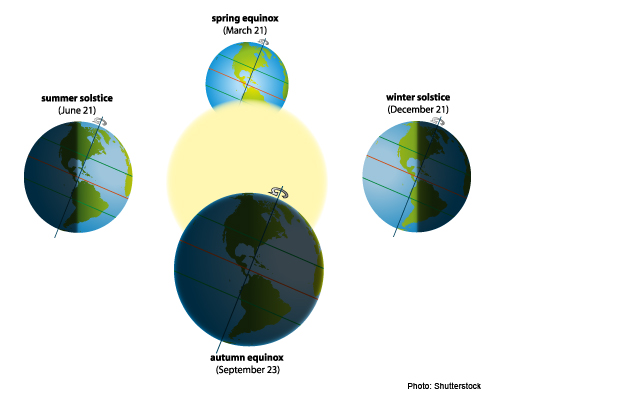
As the calendar turns toward 2026, many are eager to know when summer will arrive and what to expect in terms of weather. For those in the Northern Hemisphere, summer is not just a season—it’s a time of longer days, warmer temperatures, and vibrant outdoor activities. Understanding the exact dates and weather patterns for summer 2026 can help you plan your vacations, events, and even daily routines more effectively.
What Defines Summer?
In the Northern Hemisphere, summer begins with the summer solstice, which marks the longest day of the year. This astronomical event occurs when the Earth’s axis is tilted most directly toward the Sun. The solstice typically falls on June 21st or 22nd, depending on the year and time zone.
For summer 2026, the solstice will occur at 08:24 UTC on June 21st. However, this time may vary slightly depending on your local time zone. It’s important to convert the UTC time to your specific location to ensure accuracy.
The summer season in the Northern Hemisphere lasts until the autumnal equinox, which usually takes place around September 22nd or 23rd. So, the full duration of summer 2026 will be from June 21st to September 22nd.
Key Dates for Summer 2026
- Summer Solstice: June 21, 2026 (08:24 UTC)
- End of Summer: September 22, 2026
Weather Patterns in Summer 2026
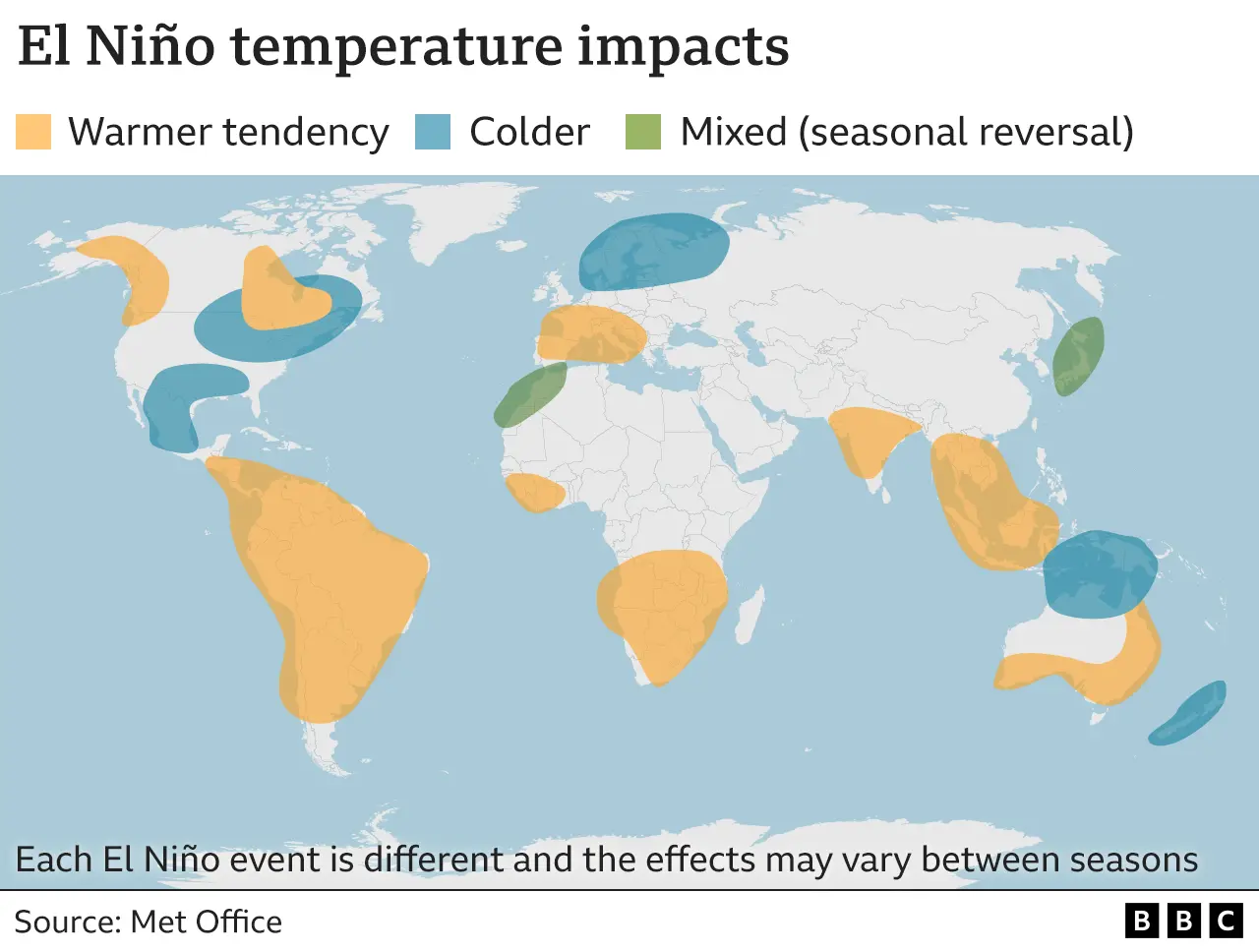
While the exact start and end dates of summer are fixed, the weather during this period can vary significantly depending on geographic location and global climate phenomena like El Niño.
The Impact of El Niño on Summer 2026
One of the most significant factors influencing the weather in 2026 is the development of a strong El Niño event. Scientists have observed that the El Niño Southern Oscillation (ENSO) cycle is transitioning from a La Niña phase to a strong El Niño, with subsurface ocean anomalies indicating that this could become a Super El Niño by mid-2026.
This shift has already begun to affect global weather patterns, and it is expected to influence summer conditions in several key regions:
- North America: A low-pressure system over the eastern United States and Canada is likely to bring cooler temperatures to the northern and central parts of the U.S., while the western and southern regions may experience above-normal temperatures.
- Europe: Above-normal temperatures are expected across much of the continent, particularly in the south and east, with increased rainfall in the southern and central parts of Europe.
- Atlantic Hurricane Season: El Niño typically suppresses hurricane activity in the Atlantic due to increased wind shear and stable atmospheric conditions. This means the 2026 hurricane season is expected to be less active than average.
What to Expect in Different Regions

The impact of summer 2026 will vary widely depending on where you live. Here’s a breakdown of what to expect in some key areas:
United States
- Eastern and Central U.S.: Cooler-than-average temperatures are expected due to the low-pressure system over the east. There may also be increased rainfall in the Midwest and Northeast.
- Western U.S.: Higher temperatures and drier conditions are likely, especially in California and the Pacific Northwest. This could increase the risk of wildfires.
- Southern U.S.: Warmer and drier conditions are expected, with potential for heatwaves and droughts.
Canada
- Eastern Canada: Similar to the U.S., cooler temperatures and more precipitation are expected in the eastern provinces.
- Western Canada: Warmer and drier conditions, with a higher likelihood of wildfires.
Europe
- Southern and Eastern Europe: Above-normal temperatures and increased rainfall are expected, leading to a higher risk of flooding.
- Northern Europe: Slightly cooler temperatures and less rainfall compared to the south.
Global Considerations
- Tropical Regions: Areas near the equator will experience less variation in temperature and daylight, but they may still see changes in rainfall patterns due to El Niño.
- Arctic and Antarctic: The effects of El Niño may influence sea ice loss and weather patterns in polar regions, potentially affecting global climate systems.
Planning for Summer 2026
With the knowledge of when summer begins and how the weather might shape up, you can better prepare for the season ahead. Here are a few tips:
- Check Local Forecasts: Use reliable weather services to track real-time conditions in your area.
- Prepare for Extreme Weather: If you live in a region prone to heatwaves, droughts, or storms, make sure you have emergency supplies and a plan in place.
- Plan Outdoor Activities: Whether you’re going camping, hiking, or simply enjoying the beach, knowing the weather forecast can help you make the most of your time outdoors.
- Stay Informed: Follow updates from meteorological agencies and weather websites for the latest information as the season approaches.
Conclusion

Understanding when summer 2026 starts and what to expect in terms of weather is essential for planning and enjoyment. With the summer solstice on June 21st and the season lasting until September 22nd, there’s plenty of time to make the most of the warmest days of the year. However, the influence of a developing El Niño means that weather patterns will be different from previous years, with potential impacts on temperature, rainfall, and storm activity.
Whether you’re looking forward to beach trips, outdoor adventures, or simply enjoying the longer days, being informed about the seasonal changes can help you make the best of summer 2026. Stay tuned for updates, and enjoy the season!