As the summer of 2026 approaches, many people are eager to know when this season will come to an end. Whether you’re planning a vacation, organizing outdoor events, or simply curious about the weather, understanding the exact dates for the end of summer can be incredibly helpful. In this article, we’ll explore the key dates for summer in 2026, the difference between astronomical and meteorological seasons, and what you can expect in terms of weather patterns.
Understanding the Two Types of Seasons
There are two primary ways to define the start and end of summer: astronomical and meteorological. Each has its own method of calculation and is used in different contexts.
Astronomical Summer
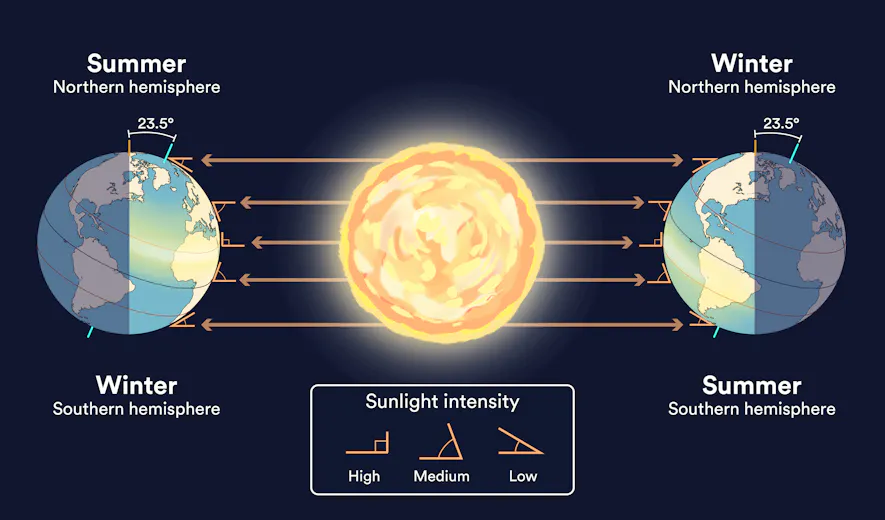
Astronomical summer begins on the summer solstice, which occurs when the sun reaches its highest point in the sky in the Northern Hemisphere. This usually happens between June 20 and June 22. The season ends with the autumnal equinox, which typically falls between September 21 and September 23. These dates are determined by the Earth’s position relative to the sun and can shift slightly each year due to the planet’s orbit.
For 2026, astronomical summer starts on Sunday, June 21, 2026, and ends on Tuesday, September 22, 2026.
Meteorological Summer
Meteorological summer, on the other hand, is based on the calendar and temperature cycles rather than the Earth’s position. It begins on June 1 and ends on August 31. This system is widely used in weather forecasting and climate studies because it provides a consistent timeframe for comparing seasonal data across years.
In 2026, meteorological summer runs from June 1 to August 31.
Key Dates for Summer in 2026
Here are the specific dates for both astronomical and meteorological summer in 2026:
- Astronomical Summer: June 21, 2026 – September 22, 2026
- Meteorological Summer: June 1, 2026 – August 31, 2026
These dates may seem similar, but they reflect different ways of measuring the season. If you’re planning activities that depend on natural daylight or seasonal weather patterns, the astronomical dates might be more relevant. However, if you’re tracking temperature trends or preparing for seasonal changes in agriculture, the meteorological dates could be more useful.
Why Do Season Dates Change?
The reason astronomical seasons change slightly each year is due to the Earth’s elliptical orbit around the sun. While the Gregorian calendar is based on a 365-day year, the actual time it takes for Earth to complete one orbit around the sun is approximately 365.25 days. This discrepancy causes the dates of the solstices and equinoxes to shift by a day or two each year.
Leap years help keep the calendar aligned with the Earth’s orbit, but small variations still occur. For example, the summer solstice in 2026 falls on June 21, while in some years, it might occur on June 20 or June 22 depending on your location and time zone.
What to Expect in Terms of Weather

Summer in the United States typically brings warm temperatures, long days, and increased sunlight. However, weather patterns can vary significantly from region to region. Here’s a general overview of what to expect during the summer of 2026:
- Northern U.S.: Expect hot and humid conditions, especially in the Midwest and East Coast. Thunderstorms and occasional heatwaves are common.
- Southern U.S.: High temperatures are typical, with potential for severe weather such as hurricanes along the Gulf Coast and Atlantic.
- Western U.S.: Drier conditions prevail, with higher chances of wildfires, particularly in California and the Southwest.
It’s always a good idea to check local weather forecasts as the season progresses to stay prepared for any changes.
Frequently Asked Questions
Q: How long does summer last in 2026?
A: Astronomical summer lasts from June 21 to September 22, while meteorological summer runs from June 1 to August 31.
Q: Why do the dates of the summer solstice change each year?
A: The Earth’s orbit around the sun is not perfectly aligned with the Gregorian calendar, leading to slight shifts in the dates of the solstices and equinoxes.
Q: Is there a difference between the Northern and Southern Hemispheres?
A: Yes. In the Southern Hemisphere, summer occurs during December, January, and February, while the Northern Hemisphere experiences summer from June to August.
Q: What happens after summer ends?
A: After summer ends, the season transitions into fall, marked by cooler temperatures and shorter days. The exact date depends on whether you’re following the astronomical or meteorological calendar.
Final Thoughts

Knowing when summer ends in 2026 can help you make the most of the season. Whether you’re enjoying the long days of summer or preparing for the transition into fall, having a clear understanding of the dates and weather patterns can enhance your experience.
As the summer of 2026 approaches, take the time to plan your activities, enjoy the sunshine, and embrace the warmth of the season. And remember, the end of summer doesn’t mean the end of fun—there’s still plenty of time to make memories before the cool breeze of fall arrives.