
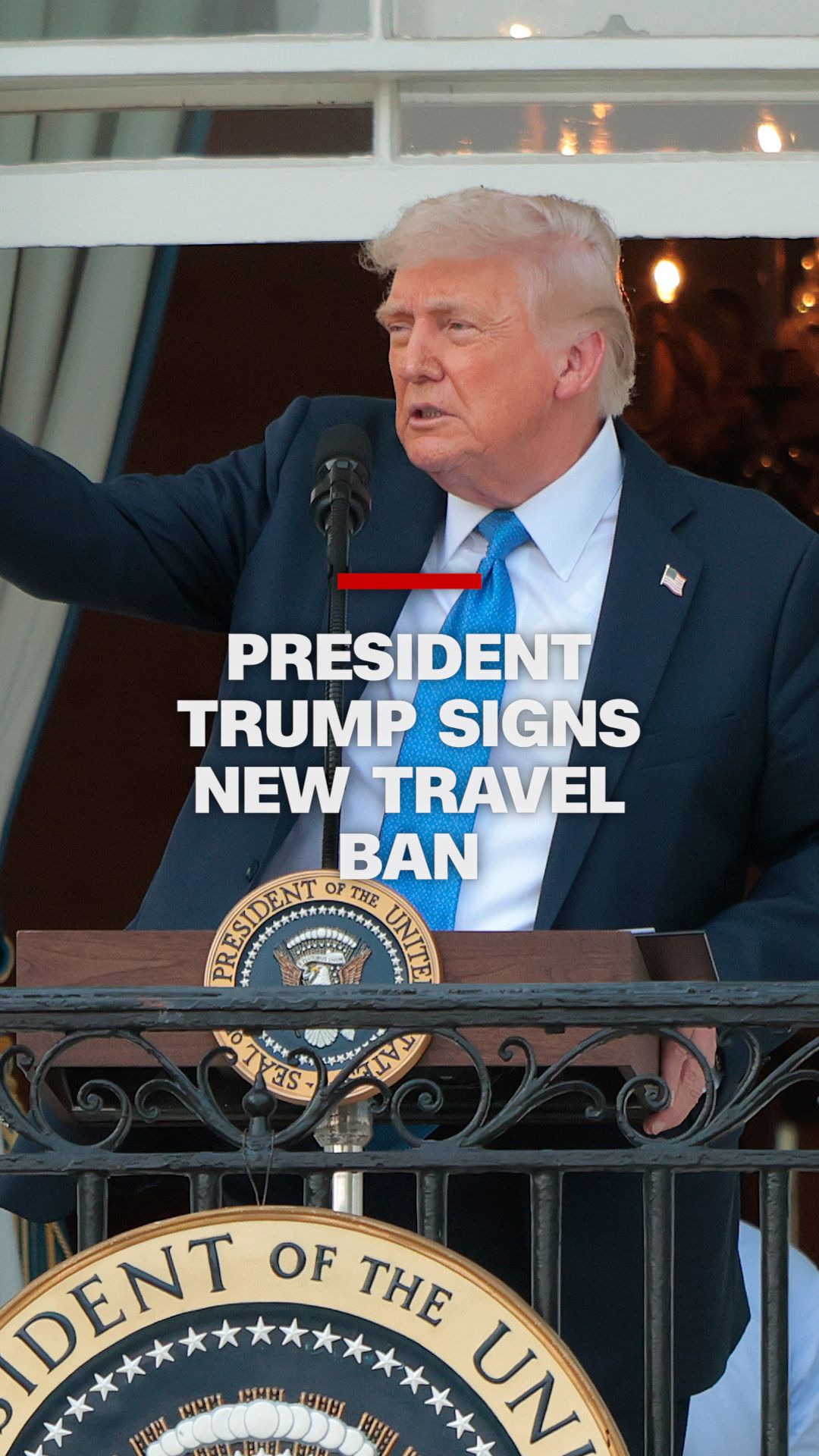
Trump’s Travel Ban Explained: What You Need to Know in 2025 has become a topic of significant debate and legal scrutiny, reflecting the complex intersection of national security, immigration policy, and constitutional law. Originally introduced in 2017 under President Donald Trump, the travel ban targeted individuals from several predominantly Muslim countries, sparking widespread protests and legal challenges. As of 2025, the implications of this policy continue to resonate within the United States, influencing both domestic and international perspectives on immigration and civil liberties.
The Origins of the Travel Ban
The first iteration of the travel ban, often referred to as the “Muslim ban,” was issued through an executive order on January 27, 2017. This order temporarily suspended entry into the U.S. for nationals from seven countries: Iran, Iraq, Libya, Somalia, Sudan, Syria, and Yemen. The stated purpose was to protect national security by preventing individuals linked to terrorism from entering the country. However, critics argued that the ban was discriminatory and violated the First Amendment by targeting individuals based on their religion.
The executive order faced immediate backlash, with courts across the country issuing injunctions to block its implementation. Legal battles ensued, with the Supreme Court ultimately upholding a revised version of the ban in June 2018. This decision marked a pivotal moment in the ongoing discourse surrounding immigration policy and the limits of executive power.
Legal Challenges and Judicial Review

Throughout the years, the travel ban underwent multiple revisions and legal challenges. In 2018, the Supreme Court ruled in favor of the administration, allowing the third version of the ban to take effect. This ruling emphasized the government’s authority to prioritize national security concerns, even if it meant imposing restrictions on certain groups of immigrants. However, the court also noted that the ban should not be applied in a way that disproportionately affects specific religious groups.
The legal landscape surrounding the travel ban has continued to evolve, with various states and advocacy groups challenging its implementation. These challenges often focus on the potential for discrimination and the impact on families and communities affected by the restrictions. As of 2025, the legal framework remains fluid, with ongoing discussions about the balance between security and individual rights.
Impact on Immigration Policy

The travel ban has had a lasting impact on U.S. immigration policy, shaping the way the government approaches border security and refugee admissions. While the original ban targeted specific countries, it has influenced broader policies related to visa processing, asylum applications, and the treatment of undocumented immigrants. The emphasis on national security has led to increased scrutiny of applicants from various regions, raising concerns about fairness and consistency in the immigration process.
In response to these challenges, policymakers have sought to develop more nuanced approaches to immigration. This includes efforts to streamline visa processes, enhance border security measures, and address the root causes of migration. The goal is to create a system that prioritizes both national security and humanitarian considerations, ensuring that individuals seeking refuge or employment are treated with dignity and respect.
Public Perception and Social Impact

Public perception of the travel ban has been divided, with strong opinions on both sides of the issue. Supporters argue that the ban is necessary to protect the country from potential threats, while opponents view it as a violation of fundamental principles of equality and justice. The debate has sparked conversations about the role of government in safeguarding national interests and the importance of upholding constitutional values.
Social media has played a significant role in shaping public opinion, with activists using platforms to raise awareness about the impacts of the ban on affected communities. These discussions have highlighted the human stories behind the policy, emphasizing the need for empathy and understanding in the face of complex issues. As of 2025, the conversation continues to evolve, with new voices and perspectives contributing to the ongoing dialogue.
Looking Ahead: The Future of the Travel Ban
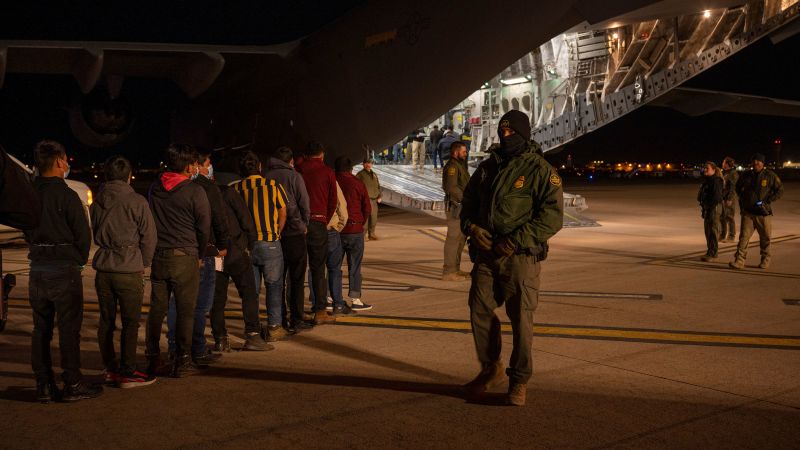
As the United States moves forward, the future of the travel ban remains uncertain. While the policy has undergone several revisions, its long-term implications are still being debated. Policymakers must navigate the delicate balance between security and civil liberties, ensuring that any future actions are grounded in evidence and respect for all individuals.
The lessons learned from the travel ban will likely influence future immigration policies, prompting a reevaluation of how the government approaches national security and border control. By fostering inclusive dialogue and promoting transparency, the U.S. can work towards a more equitable and effective immigration system that reflects the values of a diverse society.
In conclusion, the travel ban initiated by Trump in 2017 has left a profound mark on U.S. immigration policy and public discourse. As of 2025, the legacy of this policy continues to shape the nation’s approach to security, diversity, and human rights. Understanding the complexities of the travel ban is essential for informed citizens, as they engage in the ongoing conversation about the direction of the country and the values it upholds.