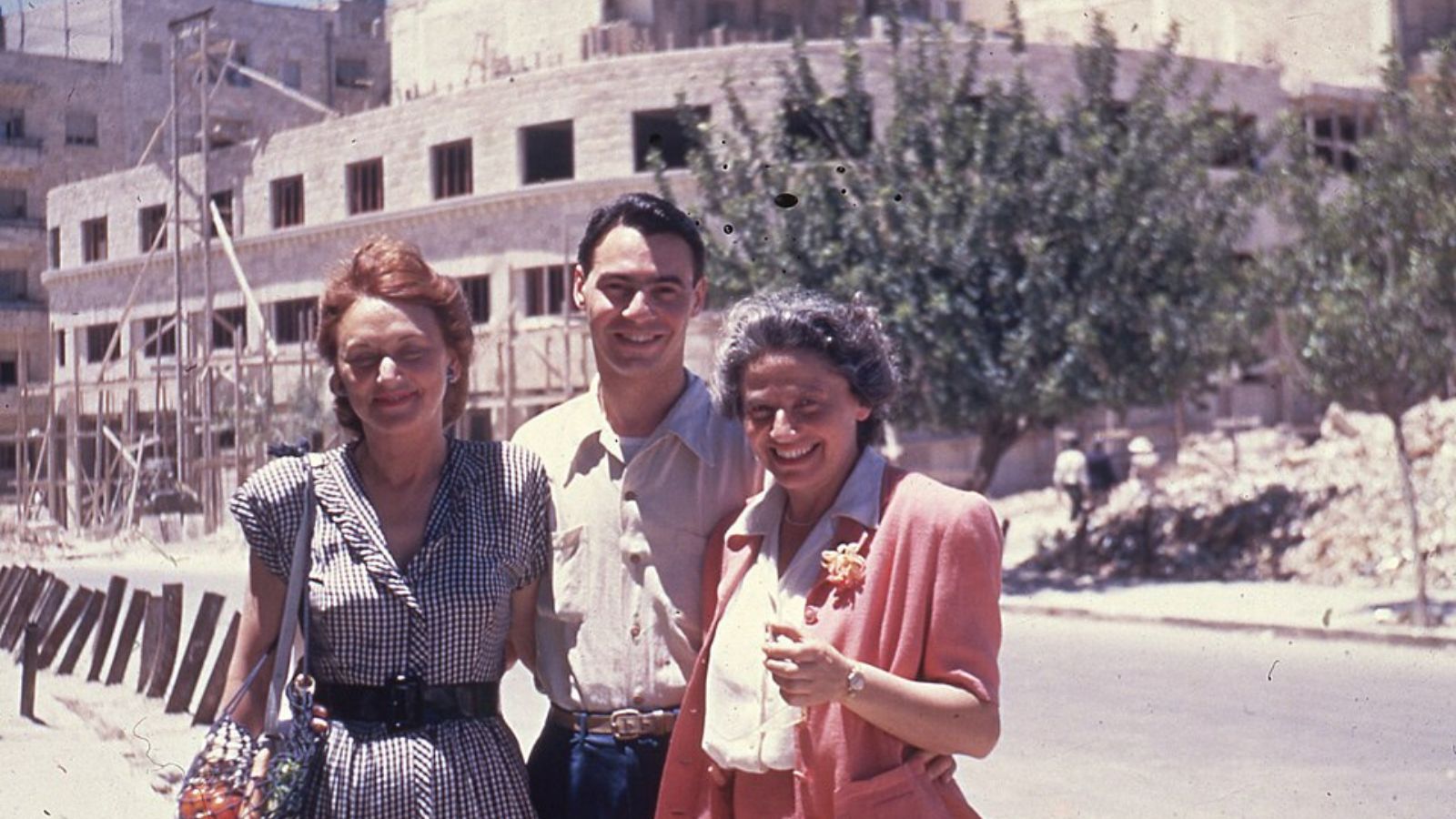
The Evolution of Travel: From the 1980s to Today
Travel in the 1980s was a different experience altogether. It was bold, colorful, and often unpredictable, especially when compared to the smooth, app-driven journeys we take today. The contrast between then and now reveals how much travel has evolved in just a few decades.
If you ever wonder why your parents reminisce about airport lounges with carving stations and gate-side goodbyes, you will find the answers here. Travel in the 1980s operated on a different rhythm, and understanding that shift helps you see your own trips in a new light.
Booking And Planning: Human Agents Versus Digital Platforms

In the 1980s, booking a major trip usually meant visiting a travel agency. An agent would flip through thick airline schedules, call carriers directly, and print your tickets on carbon paper. You trusted that professional to find reasonable fares because you had no quick way to compare options yourself.
Today, you open multiple tabs and compare flights, hotels, and rental cars in minutes. Online travel agencies and airline apps show prices instantly, often with flexible date calendars that highlight cheaper days. You control the process, but you also shoulder the research.
That shift changed the power dynamic between travelers and the industry. Airlines now push direct bookings through their websites, cutting out many middlemen. You gained transparency and convenience, yet you lost the personal relationship that once guided your plans.
Airport Experience: Open Gates To Layered Security
In the 1980s, airports felt far less restricted than they do now. You could walk someone to the gate without a boarding pass, grab a drink near the departure area, and watch planes take off up close. Security checks existed, but they did not dominate the experience.
After a series of global incidents, and especially after 2001, airport procedures tightened dramatically. Today, you remove shoes, limit liquids, and pass through scanners that would have seemed futuristic in 1985. You build extra time into your schedule just to clear security.
The emotional tone changed along with the rules. Airports shifted from lively public spaces to controlled environments centered on safety. You still feel excitement before a trip, but you experience it within a more regulated framework.
Cost And Comfort: Glamour Versus Budget Conscious Travel
Air travel in the 1980s still carried traces of glamour from earlier decades. Airlines competed aggressively on service, offering generous meals, wider seats, and attentive cabin crews. You might receive a full tray with metal cutlery even in economy class on longer routes.
Today, many airlines focus on efficiency and cost control. You often pay extra for checked bags, seat selection, or onboard snacks. Low-cost carriers offer bare-bones fares that strip the experience down to transportation alone.
At the same time, ticket prices in real terms often cost less than they did in previous decades, especially after deregulation reshaped the industry. You trade some comfort for affordability and accessibility. Flying no longer feels like a rare event reserved for special occasions.
Technology: Analog Tools To Always On Connectivity
During an 1980s road trip, you unfolded a paper map and argued about directions. You called hotels from pay phones to check availability, and you relied on guidebooks for recommendations. Getting lost felt inconvenient, yet it also opened doors to unexpected discoveries.
Now, GPS apps guide you turn by turn with real-time traffic updates. You book rooms while sitting in your car and read hundreds of reviews before choosing a restaurant. Your smartphone acts as a map, ticket wallet, translator, and camera all at once.
That constant connectivity reduces uncertainty but changes how you experience place. You rarely feel completely disconnected from home or work. Travel becomes smoother, yet sometimes less mysterious.
Loyalty Programs: Miles, Status, And Strategy
Airlines in the 1980s introduced structured frequent flyer programs that reshaped how you think about booking flights. Carriers rewarded repeat customers with miles that you could redeem for free trips or upgrades. Travel shifted from a single purchase to a strategy built around long-term benefits.
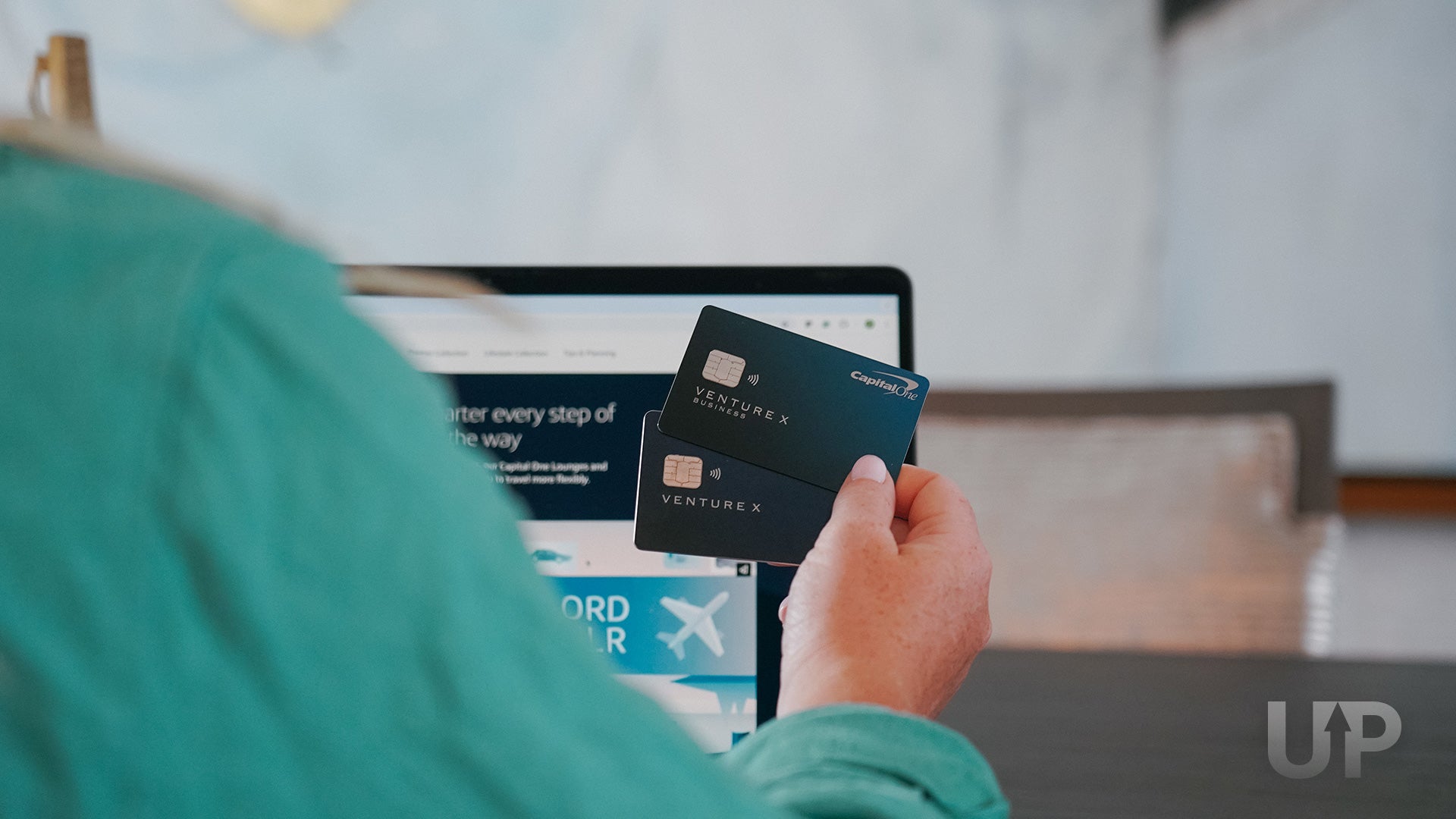
Credit cards soon linked to these programs, allowing you to earn miles on everyday spending. You started choosing airlines based not only on price, but also on how rewards added up. Loyalty became a powerful tool that still influences how you plan trips today.
These programs also created tiers with perks like priority boarding and lounge access. Airlines gathered detailed data about your travel habits and preferences. You gained incentives and status benefits, while carriers strengthened customer retention.
Budget Airlines: No Frills And Lower Fares
The 1980s saw the expansion of low-cost carriers that focused on efficiency and stripped-down service. These airlines reduced frills, simplified routes, and emphasized quick aircraft turnaround times. You paid less for the seat, even if you sacrificed extras.
Lower fares opened air travel to a wider range of travelers. Weekend city breaks and spontaneous trips became more realistic options. Flying gradually shifted from a rare event to a more routine form of transportation.
That model influenced the entire industry. Even traditional airlines adopted cost-cutting measures and introduced basic economy fares. You gained affordability and access, though often at the expense of the glamour that once defined air travel.
Photography And Memory: Film Rolls To Instant Sharing
In the 1980s, you packed rolls of film and hoped your photos turned out well. You could not preview shots, so you waited days or weeks to see your vacation memories. Each picture felt intentional because you had a limited number of exposures.
Today, you snap hundreds of photos and review them instantly. You edit images, add filters, and post them online before you leave the attraction. Friends and followers experience your trip in real time through social media.
The way you remember travel has shifted as well. Physical photo albums once lived on coffee tables, while digital galleries now sit in cloud storage. The act of sharing changed from private storytelling to public broadcasting.
Communication: Postcards To Live Updates
If you traveled internationally in the 1980s, you often relied on postcards or expensive international calls to stay in touch. You planned check-in times and hoped someone would answer at home. Delays in communication felt normal, and missing a letter or call could leave you feeling isolated from everyday life for days or even weeks.
Today, you text, email, and video chat from almost anywhere with an internet connection. Family members track your flights and know when you land. You remain connected even when you cross oceans, and instant updates let loved ones share in your experiences as they happen.
That immediacy shrinks the emotional distance of travel. You no longer disappear into your trip the way travelers once did. You stay plugged into daily life even while standing in a foreign city square, allowing you to balance adventure with the comfort of constant connection.
Travel Culture: Special Occasion To Everyday Habit
In the 1980s, many families treated travel as a major annual event. You saved for months, planned carefully, and counted down the days to departure. A long-haul flight felt like an adventure that required preparation and anticipation.
Today, you might take several short trips each year thanks to flexible work arrangements and reward programs. Weekend getaways and quick city breaks fit into busy schedules. Travel often feels like a lifestyle choice rather than a rare splurge.
Expectations also changed. You look for Wi-Fi, charging stations, and digital boarding passes as basic amenities. Travelers in the 1980s focused more on the journey itself than on staying connected throughout it.
Conclusion
Travel in the 1980s carried a blend of freedom, formality, and unpredictability that contrasts sharply with today’s streamlined system. You relied on people, paper, and patience in ways that feel foreign in a digital age. The experience often demanded more effort, yet it also offered a sense of occasion.
Today, you move faster, pay less in many cases, and access information instantly. You trade some mystery and ceremony for convenience and control. Both eras hold their own charm, but understanding the difference helps you appreciate how far travel has come.