
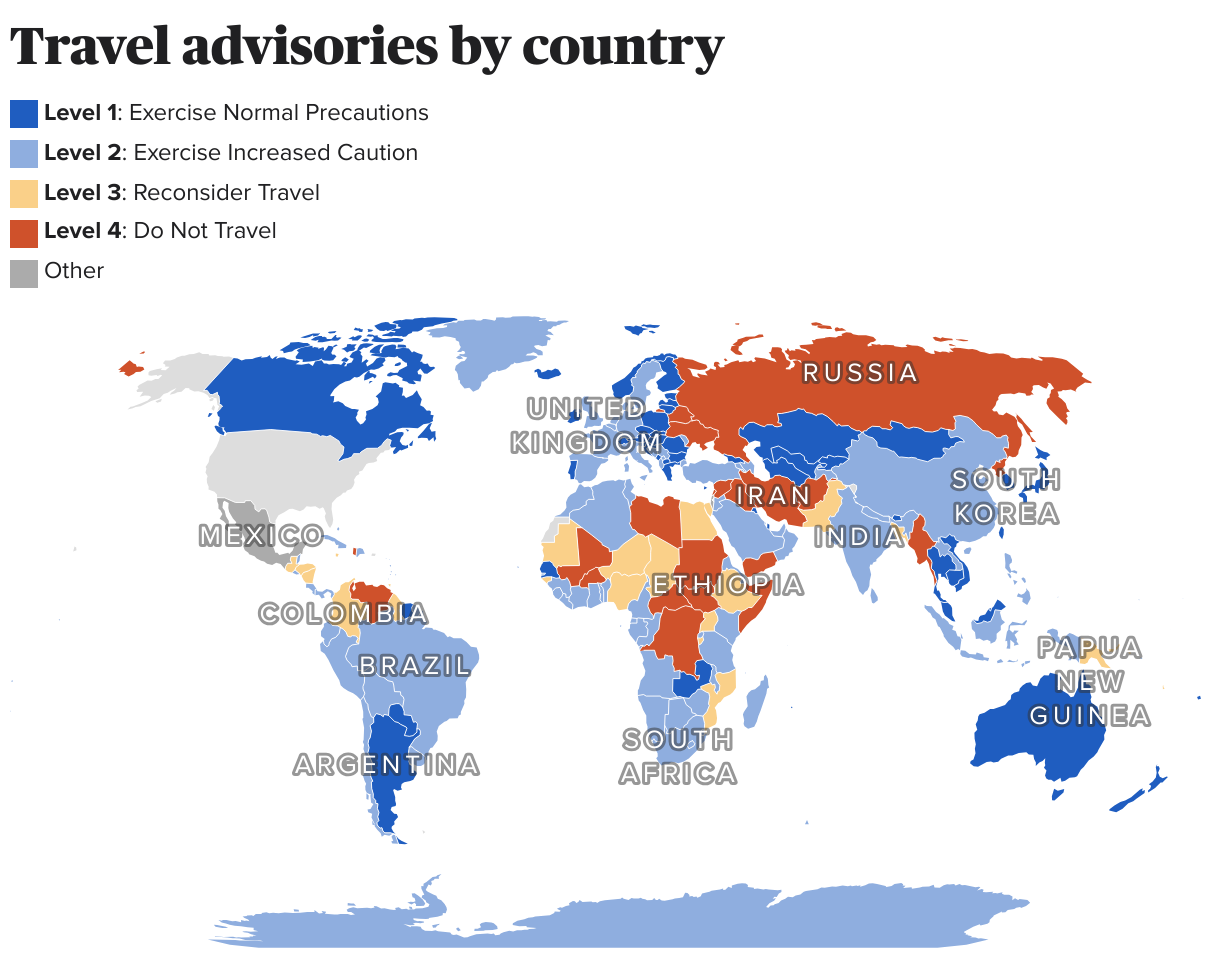
Traveling can be an exciting and enriching experience, but it also comes with its share of challenges. Whether you’re planning a weekend getaway or a cross-country adventure, being well-informed before your trip can make all the difference. A travel advisory serves as a valuable resource that provides essential information to help you navigate potential risks, cultural nuances, and logistical hurdles. Understanding what a travel advisory entails and how to use it effectively can ensure a smoother and more enjoyable journey.
What is a Travel Advisory?
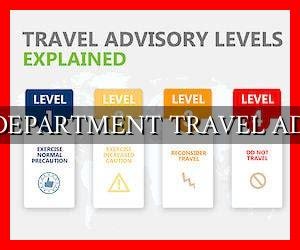
A travel advisory is a set of guidelines issued by government agencies, such as the U.S. Department of State, to inform citizens about the safety, security, and health conditions in various destinations. These advisories are categorized into different levels, ranging from “Level 1” (Exercise Normal Safety Precautions) to “Level 4” (Do Not Travel). Each level outlines specific recommendations and warnings based on the current situation in a particular country or region.
The primary purpose of a travel advisory is to keep travelers informed about potential risks, such as political instability, crime, natural disasters, or health concerns. By reviewing these advisories before booking a trip, you can make informed decisions about where to go and when to go there. For example, if a country is under a Level 3 advisory due to civil unrest, it might be wise to postpone your visit until the situation stabilizes.
How to Access Travel Advisories

Accessing travel advisories is straightforward and can be done through official government websites. The U.S. Department of State maintains a comprehensive list of travel advisories for every country, which is updated regularly. You can also find similar resources from other organizations, such as the Centers for Disease Control and Prevention (CDC) for health-related advisories.
In addition to official sources, travel blogs, forums, and news outlets often provide insights and personal experiences from fellow travelers. While these can be helpful, it’s important to cross-reference this information with official advisories to ensure accuracy. Social media platforms like Twitter and Facebook can also serve as real-time updates, especially during emergencies or sudden changes in a destination’s status.
Key Factors to Consider Before Traveling

Before finalizing your travel plans, consider several factors that may influence your decision. One of the most critical aspects is the political and social climate of your destination. Some countries may have ongoing conflicts, protests, or restrictions that could affect your safety and comfort. Additionally, understanding local laws and customs is essential to avoid unintentional offenses or legal issues.
Health and safety are also important considerations. Certain regions may have higher rates of infectious diseases, limited medical facilities, or environmental hazards. Checking the CDC’s travel health notices can help you prepare for any health-related challenges you may encounter. It’s also advisable to review your insurance coverage and ensure that it includes emergency medical assistance and evacuation services.
Another factor to consider is the availability of transportation and accommodation. In some areas, infrastructure may be limited, making it difficult to reach your destination or find reliable lodging. Researching local transportation options and booking accommodations in advance can help mitigate these challenges.
Tips for Safe and Responsible Travel
Once you’ve reviewed the travel advisories and made your plans, there are several steps you can take to ensure a safe and responsible trip. First, always register your travel with the U.S. Embassy or Consulate in the country you’re visiting. This can provide additional support in case of emergencies or unexpected situations.
Carrying copies of your passport, visa, and travel documents is another essential precaution. In the event of loss or theft, having backup copies can expedite the process of obtaining replacements. Additionally, keeping your contact information up to date with family, friends, or your employer can help others reach you if needed.
Respecting local cultures and traditions is also crucial for a positive travel experience. Learning basic phrases in the local language, dressing appropriately, and following local customs can show respect and enhance your interactions with residents.
Conclusion
Traveling is an incredible way to explore new places, meet people, and gain new perspectives. However, it’s important to approach each trip with careful planning and awareness. By staying informed about travel advisories, considering key factors, and taking necessary precautions, you can ensure a safer and more rewarding journey. Always remember that preparation is the key to a successful trip, and being proactive can help you navigate any challenges that may arise.