
Hiking is more than just a way to explore nature—it’s a full-body workout that challenges your strength, balance, and endurance. Whether you’re tackling a steep mountain trail or a gentle forest path, maintaining proper posture and balance is essential for both performance and injury prevention. Incorporating specific yoga poses into your hiking routine can significantly improve your stability, reduce fatigue, and enhance your overall experience on the trail. In this article, we’ll explore the top hiking poses that will help you achieve better balance and posture while enjoying the great outdoors.
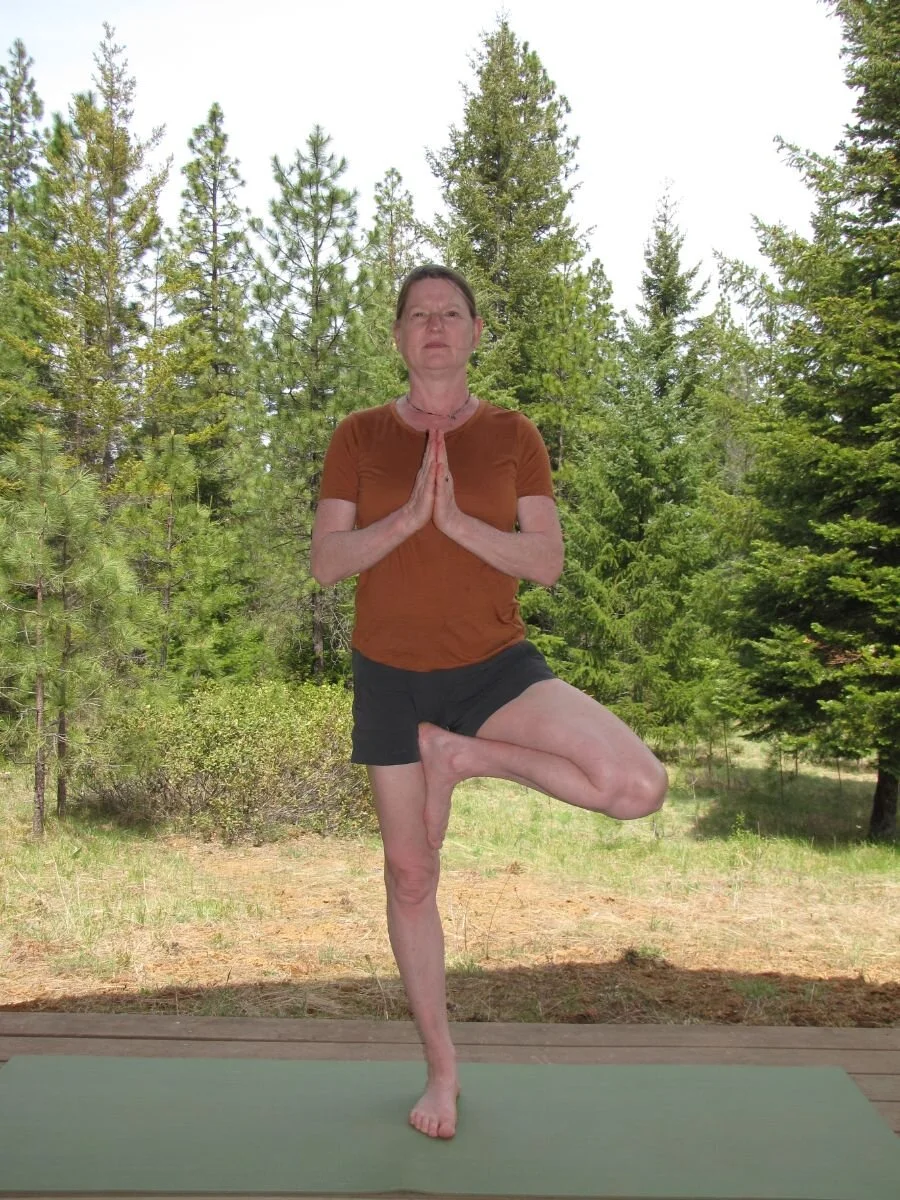
1. Tree Pose (Vrksasana)
Why it’s useful: Tree Pose is a classic balancing pose that strengthens your legs and improves focus. It helps build the core stability needed to maintain balance on uneven terrain.
How to do it:
– Stand tall with your feet hip-width apart.
– Shift your weight onto your left foot.
– Place the sole of your right foot on your left inner thigh, just above the knee.
– Press your hands together in front of your chest or raise them overhead.
– Hold for 30 seconds to a minute, then switch sides.
This pose not only enhances balance but also helps you stay grounded and focused during long hikes, especially when navigating rocky or slippery paths.
2. Fierce Pose (Utkatasana)

Why it’s useful: Fierce Pose strengthens the quadriceps, hamstrings, and glutes—muscles that are crucial for climbing and descending hills. It also improves hip flexibility, which is important for maintaining good posture.
How to do it:
– Stand with your feet hip-width apart.
– Bend your knees and lower your hips as if sitting back into a chair.
– Keep your back straight and your arms extended overhead.
– Engage your core and hold for 30 seconds to a minute.
This pose is excellent for building the leg strength needed to tackle steep inclines and for improving your ability to maintain proper form while carrying a backpack.
3. Triangle Pose (Trikonasana) to Half Moon Pose (Ardha Chandrasana)
Why it’s useful: These poses work together to improve balance, flexibility, and core strength. They also help stretch the hamstrings and hips, which are often tight from prolonged hiking.
How to do it:
– Start in Triangle Pose by standing with your feet wide apart.
– Reach one hand down toward your shin, ankle, or the floor, and extend the other arm upward.
– Hold for 30 seconds, then transition into Half Moon Pose by lifting your leg and balancing on one leg.
– Hold for another 30 seconds, then switch sides.
These transitions mimic the movement patterns of hiking, helping you develop the stability and flexibility needed for varied terrain.
4. Mountain Pose (Tadasana)

Why it’s useful: Mountain Pose is a foundational pose that teaches proper alignment and posture. It helps you stand tall and distribute your weight evenly, which is essential for long hikes.
How to do it:
– Stand with your feet together and your weight evenly distributed.
– Lengthen your spine and engage your core.
– Relax your shoulders and let your arms hang naturally at your sides.
– Breathe deeply and hold for 1–2 minutes.
This pose is perfect for warming up before a hike or for practicing good posture during breaks. It helps prevent slouching and reduces strain on your back and neck.
5. Warrior II (Virabhadrasana II)
Why it’s useful: Warrior II builds strength in the legs and core while improving balance. It also enhances focus and mental clarity, which are important for staying alert on the trail.
How to do it:
– Step your feet wide apart, turn your right foot out, and your left foot in.
– Extend your arms parallel to the ground, with your palms facing down.
– Bend your right knee and keep your left leg straight.
– Hold for 30 seconds to a minute, then switch sides.
This pose is great for strengthening the muscles used in hiking, particularly the quads and glutes, and for improving your ability to maintain balance on uneven surfaces.
Conclusion
Incorporating these yoga poses into your hiking routine can make a significant difference in your balance, posture, and overall performance on the trail. Whether you’re preparing for a short day hike or a multi-day trek, taking a few minutes to practice these poses can help you stay strong, focused, and injury-free. Remember, the key to a successful hike is not just physical strength, but also mental and emotional resilience. By combining yoga with your hiking adventures, you’ll be better equipped to enjoy every step of your journey through nature.