
Camping is a wonderful way to disconnect from the hustle and bustle of daily life, immerse yourself in nature, and create lasting memories. Whether you’re a seasoned camper or just starting out, having the right gear and preparation can make all the difference between a successful trip and a disaster. This comprehensive camping list packing checklist will guide you through everything you need to bring, from shelter and sleeping systems to cooking gear and safety essentials.
Essential Gear for Your First Camping Trip
Shelter System
A good tent is the cornerstone of any camping trip. Choose a 3-season tent that’s one size larger than your group (if you’re camping alone, go with a 2-person tent). Two excellent options are the REI Co-op Base Camp 4 ($199) and the Coleman Sundome 4 ($89). Avoid ultra-cheap tents under $50, as they often leak and cause more problems than they solve.
Also, don’t forget a footprint or tarp to protect your tent floor from damage and moisture. A basic 8×10 tarp from the hardware store works perfectly and costs under $20.
Sleep System

Comfortable sleep is crucial for a great camping experience. Start with a sleeping bag rated for the lowest temperature you’ll encounter. A 30°F rated bag works for most three-season camping. The Kelty Cosmic 20 ($89) offers great value, while the Coleman Brazos ($35) is budget-friendly.
Pair your sleeping bag with a sleeping pad for insulation and comfort. The Thermarest Z Lite Sol ($50) is virtually indestructible, while the REI Co-op Camp Bed 3.5 ($79) offers more cushioning. An inflatable camping pillow ($15-25) or a pillowcase stuffed with clothes can also add extra comfort.
Cooking and Food
A simple propane stove like the Coleman Classic ($45) is reliable and easy for beginners. Avoid complicated multi-fuel stoves initially. Pair it with a basic camping cookset like the GSI Outdoors Pinnacle Camper ($60), which includes everything you need.
A cooler is essential for car camping. The Coleman Xtreme 50-quart ($45) keeps food cold for 3+ days with proper ice management.
Lighting
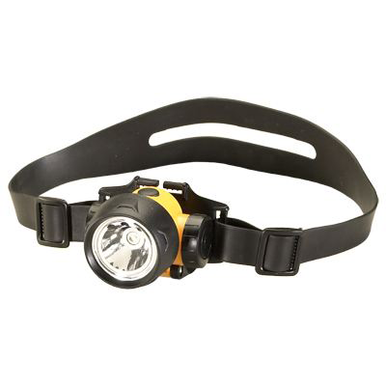
A headlamp is invaluable for hands-free lighting. The Petzl Tikka ($30) is reliable and bright enough for most camp tasks. A battery-powered LED lantern, like the Coleman Battery Lock ($25), provides area lighting around your campsite.
Research and Planning Your First Trip
Choosing Your Destination
Start with established campgrounds within 2-3 hours of home. State parks offer excellent facilities, beautiful locations, and reasonable prices. National parks are spectacular but often crowded and require advance reservations. KOA campgrounds provide consistent amenities and are very beginner-friendly, though pricier than public options.
Weather Considerations
Check the extended forecast, but prepare for temperature swings. Mountain areas can drop 20-30 degrees at night even in summer. Coastal areas might be foggy and damp. Always pack layers and rain gear, regardless of the forecast.
Making Reservations
Popular campgrounds fill up months in advance, especially for summer weekends. Websites like Recreation.gov handle federal campgrounds, while ReserveAmerica.com covers many state parks. Book as early as possible, typically 5-6 months ahead for prime dates.
Common Preparation Mistakes to Avoid
- Overpacking: New campers often bring everything “just in case.” This leads to a cluttered campsite and unnecessary stress. Stick to your essential list.
- Ignoring Weight Limits: Even for car camping, consider weight. Your vehicle has cargo limits, and you’ll need to carry gear from your car to the campsite.
- Forgetting the Basics: Surprisingly, experienced campers often forget simple items like can openers, bottle openers, or toilet paper. Create a detailed checklist and review it the night before departure.
- Poor Food Planning: Bringing too much food leads to waste and attracts wildlife. Plan specific meals and snacks, and remember that appetites often increase outdoors.
Budget Considerations

A complete beginner camping setup can range from $300 (budget-conscious) to $800 (mid-range quality). However, you don’t need everything at once. Start with borrowed or rented gear for your first trip to see what you actually enjoy using.
Budget Breakdown for First-Time Setup:
– Tent: $90-200
– Sleeping system: $100-180
– Cooking gear: $80-150
– Lighting: $50-80
– Miscellaneous (first aid, tools): $50-100
– Total: $370-710
Many outdoor retailers offer rental programs. REI, for example, rents complete camping packages for around $50-75 per trip – an excellent way to try before you buy.
Step-by-Step Guide
Pre-Departure Checklist and Packing
- Confirm campground reservations and review policies
- Check weather forecast and adjust gear accordingly
- Shop for food and confirm meal plans
- Charge all electronic devices and backup batteries
- Test all gear, especially if newly purchased
Packing Strategy
Pack in reverse order – items you’ll need first should be most accessible. Pack the cooler last, just before departure. Use clear storage bins for organized gear storage and easy identification. Create a “camp kitchen” bin with all cooking supplies together.
Safety & Best Practices
Fire Safety and Campfire Etiquette
Before building any fire, check current fire restrictions and weather conditions. Many areas prohibit fires during dry periods. Build your fire in a teepee structure, starting small and gradually adding larger pieces. Allow wood to burn completely to ash when possible. Pour water over the fire, stir the ashes, and pour more water. The ashes should be cold to the touch before you leave.
Wildlife Awareness and Food Security
Never leave food unattended outside secure storage. Even “empty” containers retain odors that attract animals. Store everything with a scent (food, toiletries, garbage) in your vehicle, bear boxes where provided, or proper bear canisters in bear country.
Conclusion & Next Steps
Camping offers an incredible opportunity to disconnect from daily stress, connect with nature, and create lasting memories with family and friends. While the gear lists and safety considerations might seem overwhelming at first, remember that millions of people camp successfully every year, and most started exactly where you are now – curious but uncertain.
Your next steps:
– Start planning your first trip by choosing a nearby campground with good amenities.
– Book your reservation early, especially for popular weekend dates.
– Borrow or rent gear for your first trip to avoid major investments before you know what you enjoy.
– Keep your expectations realistic – your first camping trip doesn’t need to be perfect to be memorable and fun.
Ready to take the next step? Start by researching campgrounds in your area and checking availability for the coming months. The hardest part of camping is often just making that first reservation and committing to the adventure. Everything else is just details that you’ll figure out along the way.
Happy camping, and welcome to the outdoor community!