
Understanding the Impact of Southwest Airlines’ “Customer of Size” Policy
Southwest Airlines recently updated its “Customer of Size” policy, which has sparked significant debate and concern among travelers. The changes went into effect on January 27, 2026, and have led to a range of reactions from passengers who feel the policy lacks clarity and fairness.
Key Changes in the Policy
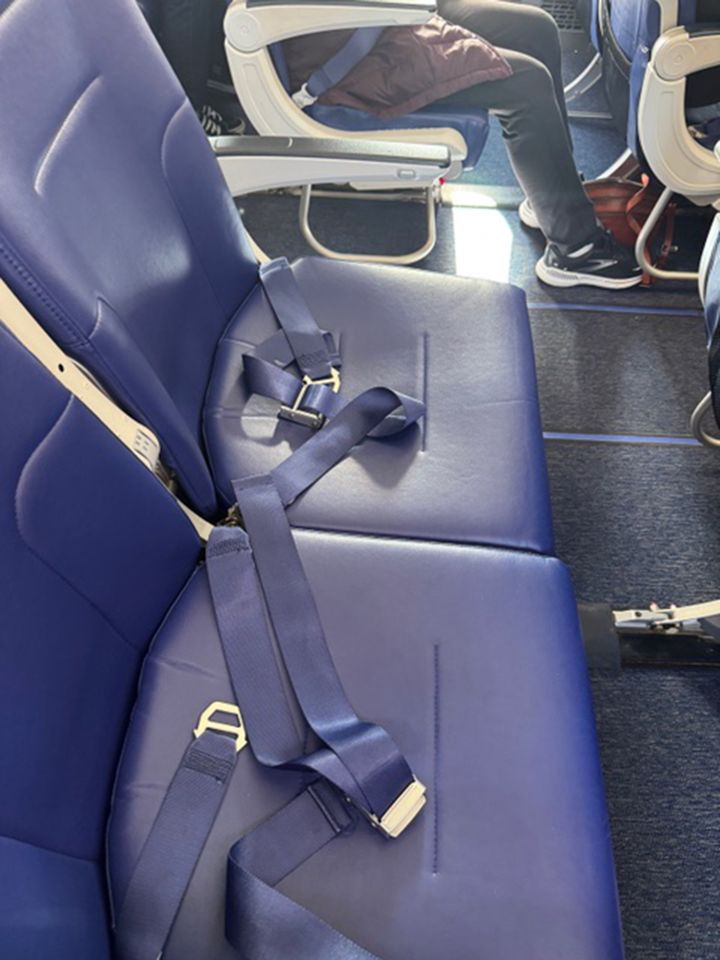
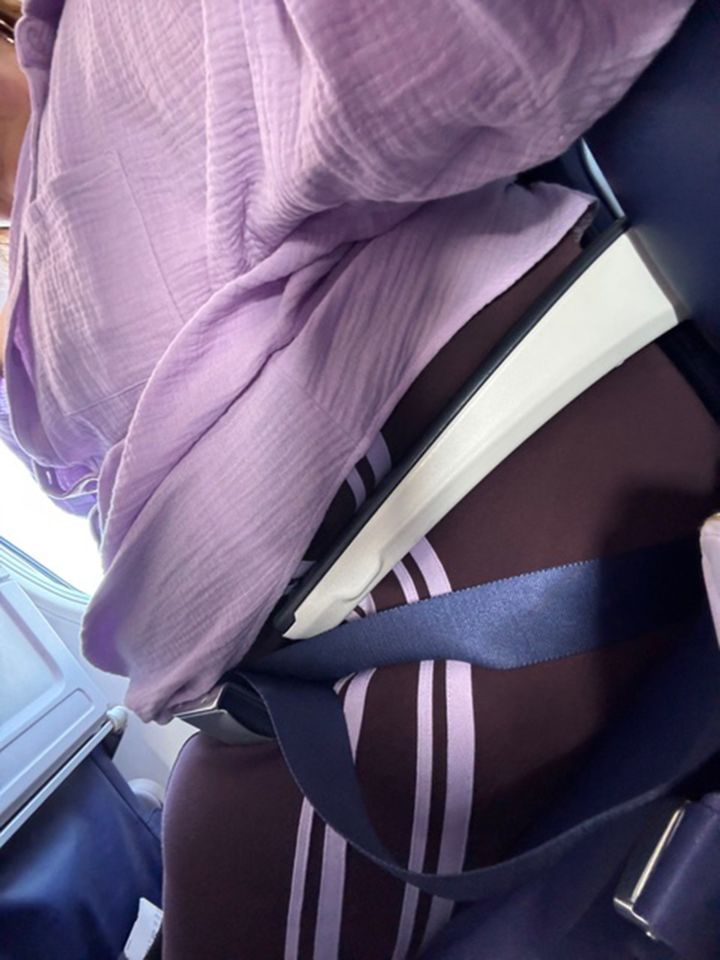
The new guidelines require travelers who may not fit within a single seat to proactively purchase an additional seat. Additionally, the airline retains the right to determine, in its sole discretion, when a second seat is necessary for safety reasons. However, the policy does not provide specific measurements or criteria for this determination, aside from possible encroachment on neighboring seats.
This lack of clear guidelines has left many passengers confused and frustrated. Some, like Erika DeBoer and Grace Simpson, have shared their experiences with the policy, highlighting the emotional and practical challenges they faced.
Personal Experiences and Reactions
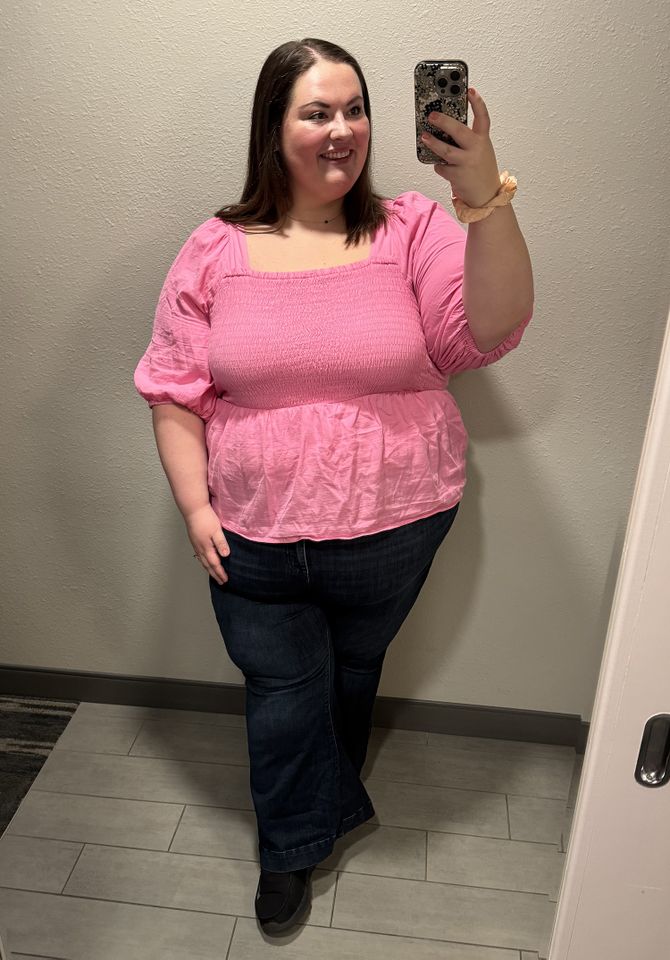
Erika DeBoer, a 38-year-old traveler, encountered issues while flying from Omaha, Neb., to Las Vegas on February 6. During her trip, she was informed by a Southwest employee that she needed to purchase an extra seat. When she asked for an explanation, the attendant cited “safety and comfort” for other passengers. DeBoer felt powerless, as she was given two options: either buy an extra seat or not be allowed on the flight.
Ultimately, DeBoer paid for an upgraded window seat but noted that she was not flagged during her return trip. She expressed anger rather than shame about her size and emphasized the need for clearer communication from the airline.
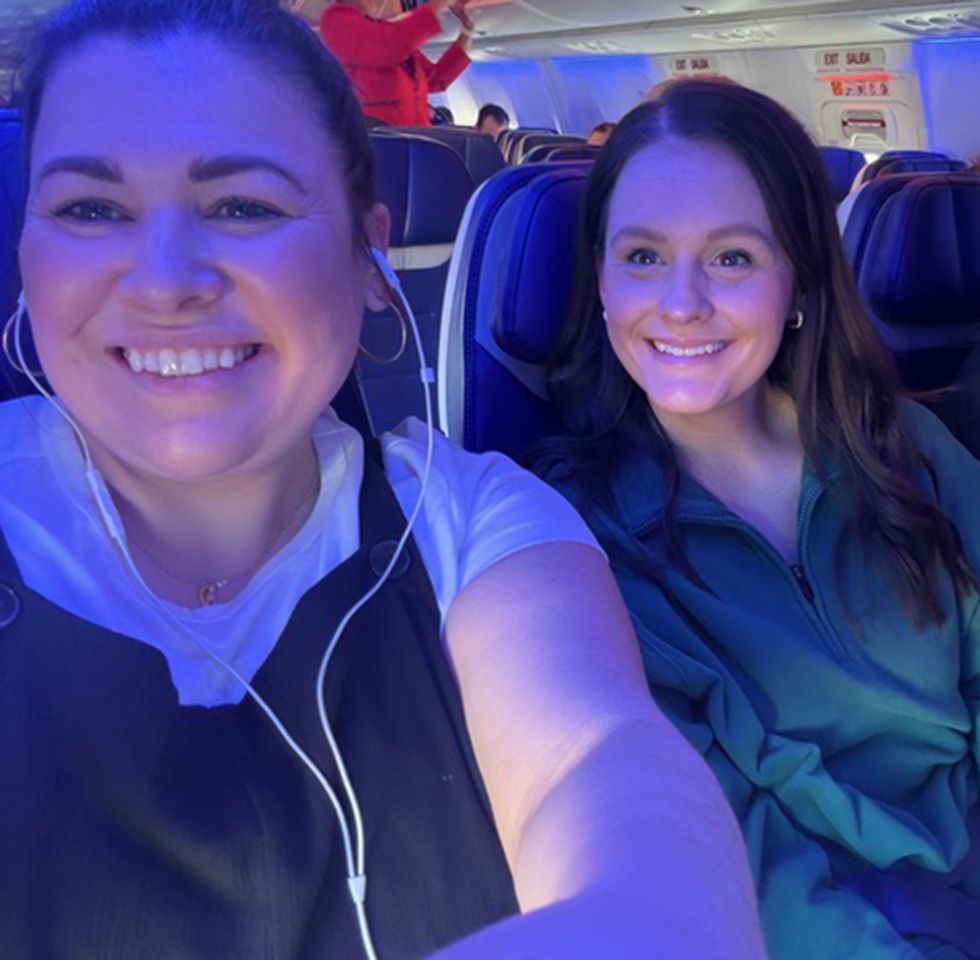
Grace Simpson also shared a similar experience, detailing how she was pulled aside at the gate for her connecting flight to San Diego. A supervisor told her that a gate agent had identified her as a potential “customer of size.” Simpson was not willing to buy another ticket and felt embarrassed by the situation. The supervisor provided her with a new boarding pass, relocating her to an empty seat in the back row without any additional cost.
Both women highlighted the unpredictability of the policy, noting that it creates anxiety for travelers who are already self-conscious about their bodies. They believe that the absence of clear standards makes the enforcement of the policy subjective and potentially biased.
Broader Implications and Concerns
The policy’s focus on size can send exclusionary messages, making larger travelers feel evaluated before being respected. DeBoer pointed out that the message implies that access to public space is conditional for larger individuals.
The lack of clear guidelines also raises concerns about mental health implications for travelers with body image issues or travel anxiety. DeBoer emphasized that the policy could be damaging for those struggling with these challenges.
For Simpson, her recent weight loss and health journey added another layer of complexity to her experience. She felt that the incident overshadowed her personal achievements, highlighting the emotional impact of the policy.
Calls for Transparency and Fairness
Both DeBoer and Simpson stressed the importance of transparency and consistent enforcement. They believe that if the policy requires passengers to purchase an additional seat, it should be clearly communicated at the point of purchase. This includes prompts, checkboxes, or visible notices that ensure customers are aware before finalizing their tickets.
They also raised questions about who is targeted by the policy. DeBoer questioned whether taller or more muscular passengers are treated similarly, emphasizing that the scrutiny should not be focused solely on size.
Simpson described how the lack of standards can reinforce existing stigmas for fat travelers. She felt singled out and judged, bringing back memories of feeling like a child being laughed at for her weight.
Southwest Airlines’ Response
When contacted, Southwest Airlines stated that its policy is well defined on its website and that there is another page explaining how customers should book a second seat if needed. The airline also mentioned that it notified customers who previously used the policy that it strongly encourages booking a second seat at the time of booking. It added that the policy aligns with industry standards.