NYPD Travel Ban in NYC Sparks Debate Among Residents and Visitors
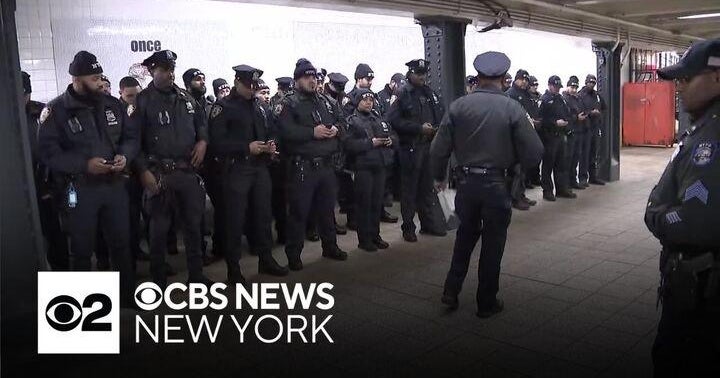
The New York Police Department (NYPD) has recently implemented a travel ban that has ignited a firestorm of controversy among both residents and visitors in New York City. This policy, which restricts certain individuals from traveling to or within the city under specific circumstances, has raised significant concerns about civil liberties, law enforcement practices, and the balance between public safety and personal freedom. The debate has unfolded across various platforms, with community leaders, legal experts, and everyday citizens weighing in on the implications of this new measure.
Understanding the NYPD Travel Ban
The NYPD Travel Ban was introduced as part of a broader initiative aimed at enhancing security and preventing potential threats within the city. According to officials, the policy targets individuals who have been identified as high-risk based on factors such as criminal history, suspicious behavior, or ties to organizations deemed a threat to public safety. While the department claims the measure is necessary for maintaining order and protecting the community, critics argue that it lacks transparency and could lead to discriminatory practices.
The implementation of the ban has been met with confusion, as many residents and visitors are unsure how to determine if they fall under its restrictions. Some individuals have reported being denied access to certain areas of the city without clear justification, leading to frustration and questions about due process. Legal scholars have pointed out that the lack of a formal appeals process or detailed criteria for inclusion in the ban raises serious constitutional concerns.
Reactions From the Public

The response to the NYPD Travel Ban has been mixed, with strong opinions emerging from different corners of the city. Advocacy groups have condemned the policy, arguing that it disproportionately affects marginalized communities and sets a dangerous precedent for law enforcement overreach. On the other hand, some residents support the measure, believing that it is a necessary step to ensure safety in a city that has faced numerous security challenges in recent years.
Community leaders have called for greater accountability and oversight, urging the NYPD to provide more information about how the ban is enforced and who is being targeted. They emphasize that while public safety is a priority, it should not come at the expense of fundamental rights. Meanwhile, businesses and tourism operators have expressed concerns about the impact of the policy on the city’s economy, noting that restrictions on movement could deter visitors and harm local commerce.
Legal and Ethical Considerations

The legality of the NYPD Travel Ban has come under scrutiny, with several legal experts questioning whether it aligns with existing laws and constitutional protections. Critics argue that the policy may violate the Fourth Amendment, which safeguards against unreasonable searches and seizures, and the Fourteenth Amendment, which guarantees equal protection under the law.
In response to these concerns, some lawmakers have proposed legislation to limit the scope of the ban and require the NYPD to establish clear guidelines for its application. Others have called for an independent review of the policy to assess its effectiveness and fairness. The debate has also sparked discussions about the role of technology in modern policing, with some suggesting that data-driven approaches could be used to identify threats more accurately and equitably.
The Path Forward

As the debate continues, it is clear that the NYPD Travel Ban has become a focal point for broader conversations about law enforcement, civil rights, and the future of public safety in New York City. While the department maintains that the policy is a critical tool for preventing crime and protecting the community, many remain skeptical of its long-term impact.
Moving forward, stakeholders will need to engage in open dialogue to address the concerns raised by the ban and find solutions that balance security with individual freedoms. This includes ensuring transparency, establishing clear criteria for enforcement, and providing avenues for appeal. Ultimately, the goal should be to create a system that protects all residents and visitors while upholding the values of justice and equality.

For now, the situation remains fluid, with ongoing discussions about the future of the NYPD Travel Ban. As the city navigates this complex issue, it is essential that voices from all walks of life are heard and that decisions are made with the well-being of the entire community in mind.