
The Lake District in 2026: A Region Under Pressure
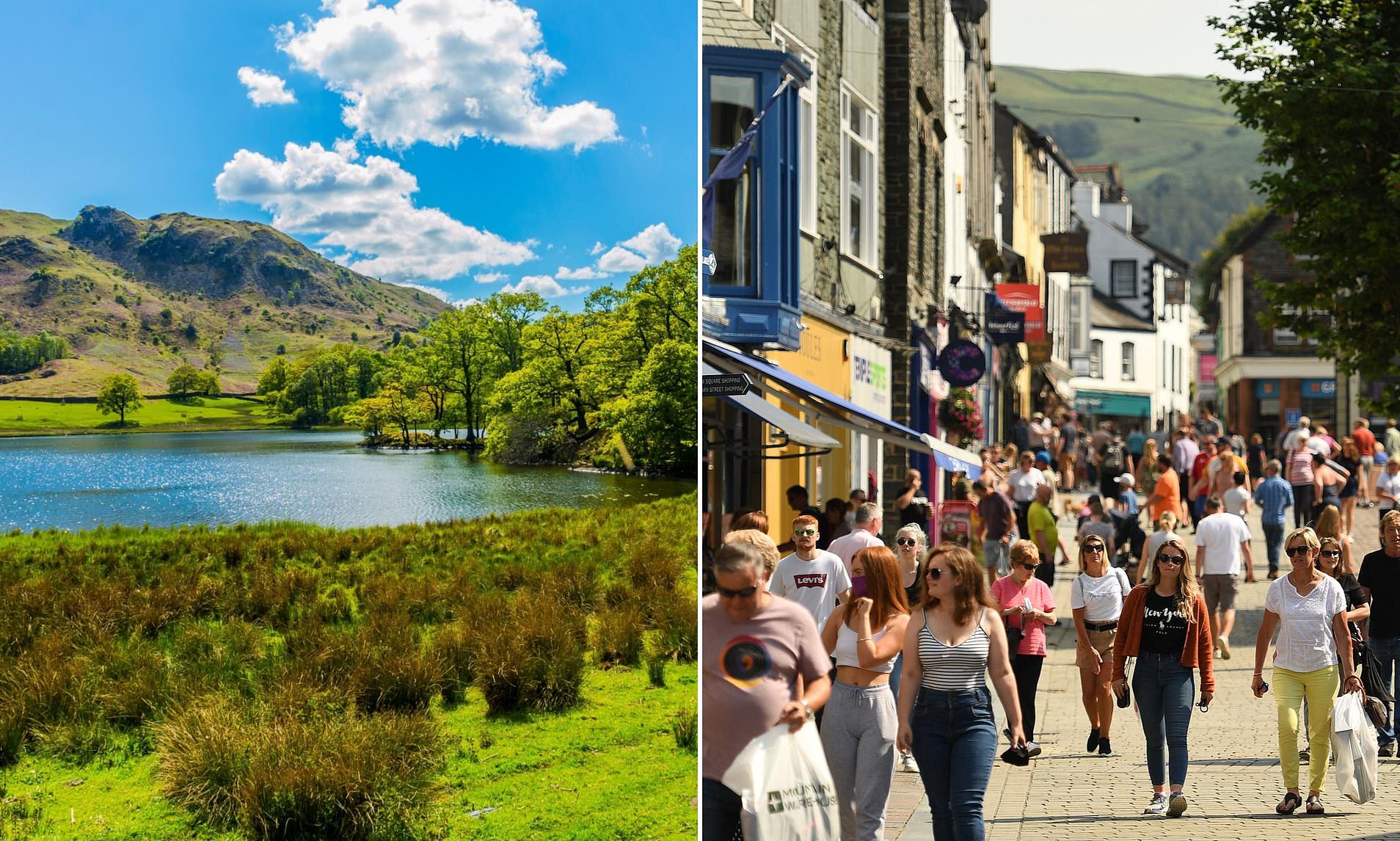
The Lake District, a region known for its serene landscapes and peaceful villages, is facing a new reality in 2026. Once a place of solitude and natural beauty, it now sees an overwhelming number of tourists year-round. This surge has transformed the area into a bustling hub, with central spots like Ambleside, Windermere, and Coniston experiencing heavy foot traffic. Locals warn that even the outer regions are at risk of becoming overtourism hotspots, following in the footsteps of Cornwall and the Cotswolds.
Each year, approximately 18 million visitors flock to the Lake District, while the wider Cumbrian region sees 41 million visitors. Dr. Karen Lloyd, a local resident and campaigner, describes the impact of tourism as “incredibly disruptive” for the community. She highlights issues such as gridlocked roads, which make it difficult for locals to access the most scenic parts of the Lakes. Additionally, there are growing concerns about the environmental damage caused by this influx of visitors.
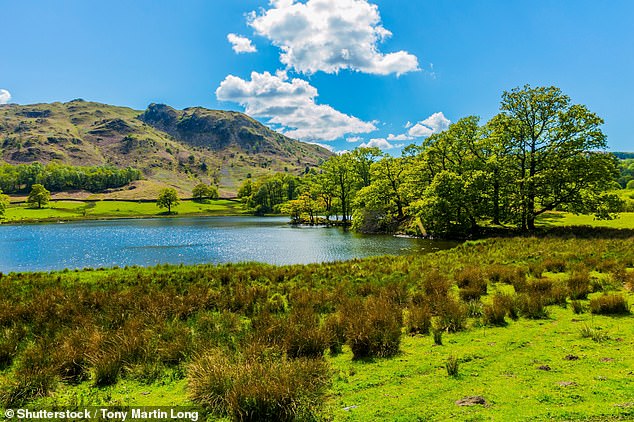

One of the major challenges is the proliferation of second homes, which are often purchased by wealthy individuals and rented out to tourists. This trend has led to rising property prices, making it increasingly difficult for long-term residents to afford housing. Dr. Lloyd, who moved to Cumbria at the age of six, says she rarely visits the Lake District anymore. She explains that the only times she can go are early in the morning or late at night, when the roads are less crowded. Even then, the areas are often too busy, which diminishes the experience.
In a world where social media plays a significant role in travel decisions, how can the Lake District reverse the tide of overtourism? Dr. Lloyd suggests removing the UNESCO World Heritage status, a move that would be controversial but could help reduce the number of visitors. While this idea may not gain traction, she believes other solutions are possible, such as focusing on creating vibrant communities through sustainable jobs and year-round economic opportunities.
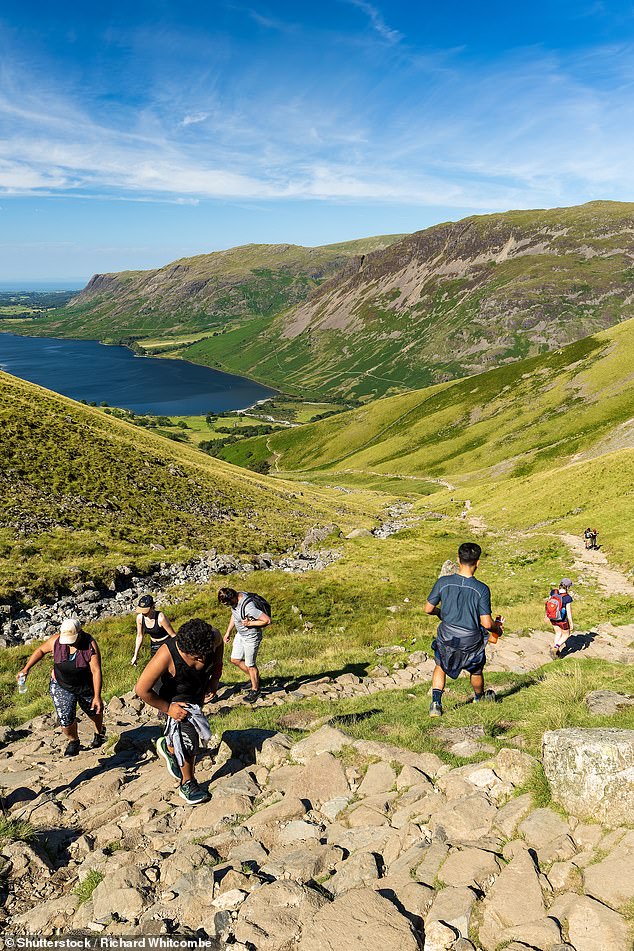
Despite the challenges, the Lake District has not yet returned to pre-pandemic visitor levels. However, it’s expected to do so soon. According to recent data from the Scarborough Tourism Economic Activity Monitor (STEAM), there was a 14% decline in visitors in 2024 compared to 2019. Yet, the rise in holiday lets has been significant, with a 40% increase in England between 2019 and 2022. In Keswick, for example, the percentage of properties used as holiday homes rose from 14% in 2011 to 25% a decade later.
Westmorland and Furness Council has noted that high levels of second home ownership can negatively affect local communities. To address this, the government’s Levelling Up and Regeneration Act 2023 allows local authorities to double the council tax on second homes, a measure being implemented in Cumbria. The additional revenue will be used to support local services and communities.
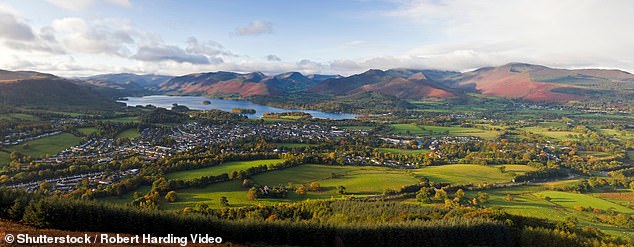
Dr. Lloyd acknowledges the beauty of the region but feels that many residents are being pushed out of their own homes. She emphasizes that she does not oppose tourism itself but is concerned about the potential spread of overtourism beyond the main centers of the Lake District. “If you’re thinking about where the next bit is, well the next bit in the Lakes will be around the edges,” she says.
Massive crowds at popular spots can be frustrating for both locals and visitors. Parking becomes a challenge, and expectations are often unmet. Dr. Lloyd points to national parks abroad that prioritize wildlife protection over human access, suggesting that the Lake District needs to rethink its approach to balancing conservation and tourism.
Gill Haigh, managing director of Cumbria Tourism, highlights the economic benefits of tourism, which contributes £4.6 billion to the region and supports over 74,000 jobs. She notes that the industry was heavily impacted by the pandemic, with visitor numbers still 14.4% below 2019 levels. Efforts are underway to improve public transport and parking management, as well as to address the balance of accommodation options.
Visitor management in the Lake District involves collaboration between various entities, including Westmorland and Furness Council, the Lake District National Park Authority, Cumbria Police, Cumberland Council, Cumbria Tourism, and the National Trust. The Strategic Visitor Management Group works on issues like safety, fly-camping, litter, and community disruption.
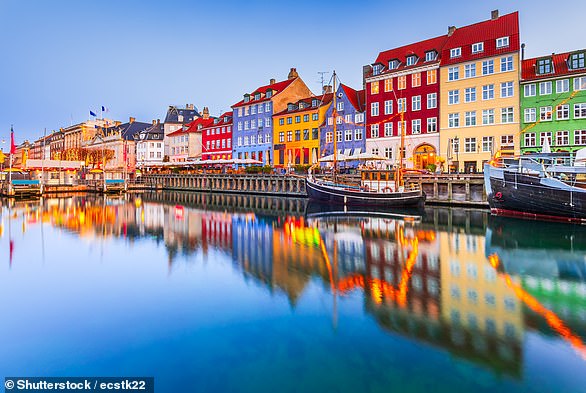
As the Lake District grapples with these challenges, the question remains: where will overtourism strike next? Experts suggest that islands and coastal areas, as well as large metropolitan cities, are particularly vulnerable due to their limited space and high demand. Places like Barcelona, Lisbon, Venice, and others have already faced similar issues. Emerging destinations such as Porto, Athens, Copenhagen, Budapest, and Valletta are also seeing rapid growth in tourism, raising concerns about their ability to manage the influx.
Catherine Warrilow, a tourism expert, warns that while tourism is vital for economic stability, overtourism poses significant challenges for infrastructure, local communities, and the overall visitor experience. Protests and frustrations from residents are already evident in many of these areas, signaling a need for careful planning and sustainable practices.
As the Lake District continues to navigate the complexities of tourism, it serves as a microcosm of a broader global issue. Balancing the benefits of tourism with the needs of local communities and the preservation of natural landscapes remains a critical challenge for the future.