Discovering the Magic of Death Valley in Spring
Death Valley National Park is a place where nature’s extremes come together to create an otherworldly experience. From its surreal landscapes to its breathtaking night skies, the park offers a range of unique adventures that are best enjoyed during the spring season. With temperatures that are more manageable and fewer crowds, spring is the perfect time to explore this iconic desert wonderland.
Stargazing Under the Milky Way
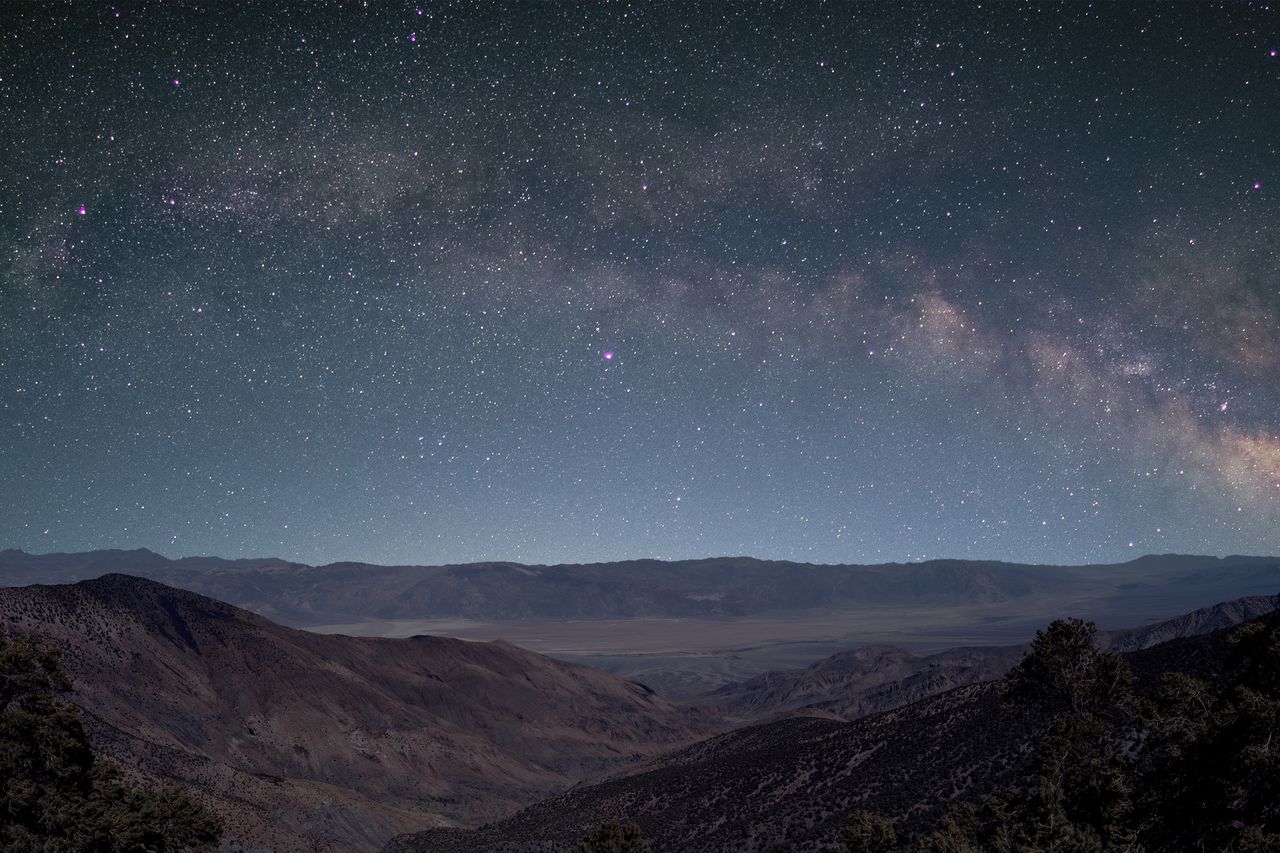
One of the most magical aspects of visiting Death Valley in spring is the opportunity to stargaze under one of the darkest skies in the country. The park has been certified as a gold-tier dark-sky park by DarkSky International, making it an ideal location for observing celestial wonders. During the early spring months, the galactic core of the Milky Way becomes visible again for Northern Hemisphere observers, offering a stunning view of our galaxy’s center. Popular spots for stargazing include Mesquite Flat Sand Dunes, Badwater Basin, and Zabriskie Point, where the vast desert landscape provides an unobstructed view of the night sky.
Witnessing a Superbloom
Spring in Death Valley also brings the possibility of a superbloom, a natural phenomenon where the desert floor is transformed into a vibrant sea of wildflowers. This occurs when winter rains are sufficient to trigger a burst of color across the arid landscape. According to the National Park Service, the peak of the superbloom typically occurs in late March or early April. Visitors can check the park’s website for updates on the likelihood of a bloom, ensuring they don’t miss this spectacular display.
Hiking Through Natural Wonders
The moderate temperatures of spring make it an excellent time for hiking in Death Valley. Whether you’re exploring the towering Mesquite Flat Sand Dunes or walking through the colorful hills of Artists Palette, there are countless trails to discover. The dunes offer a unique hiking experience with their ever-changing shapes and the surrounding green foliage that appears each spring. For those seeking a longer trek, the Fall Canyon trail provides a scenic route through Titus Canyon and into the Fall Canyon Narrows, where visitors can spot wildlife such as bighorn sheep.
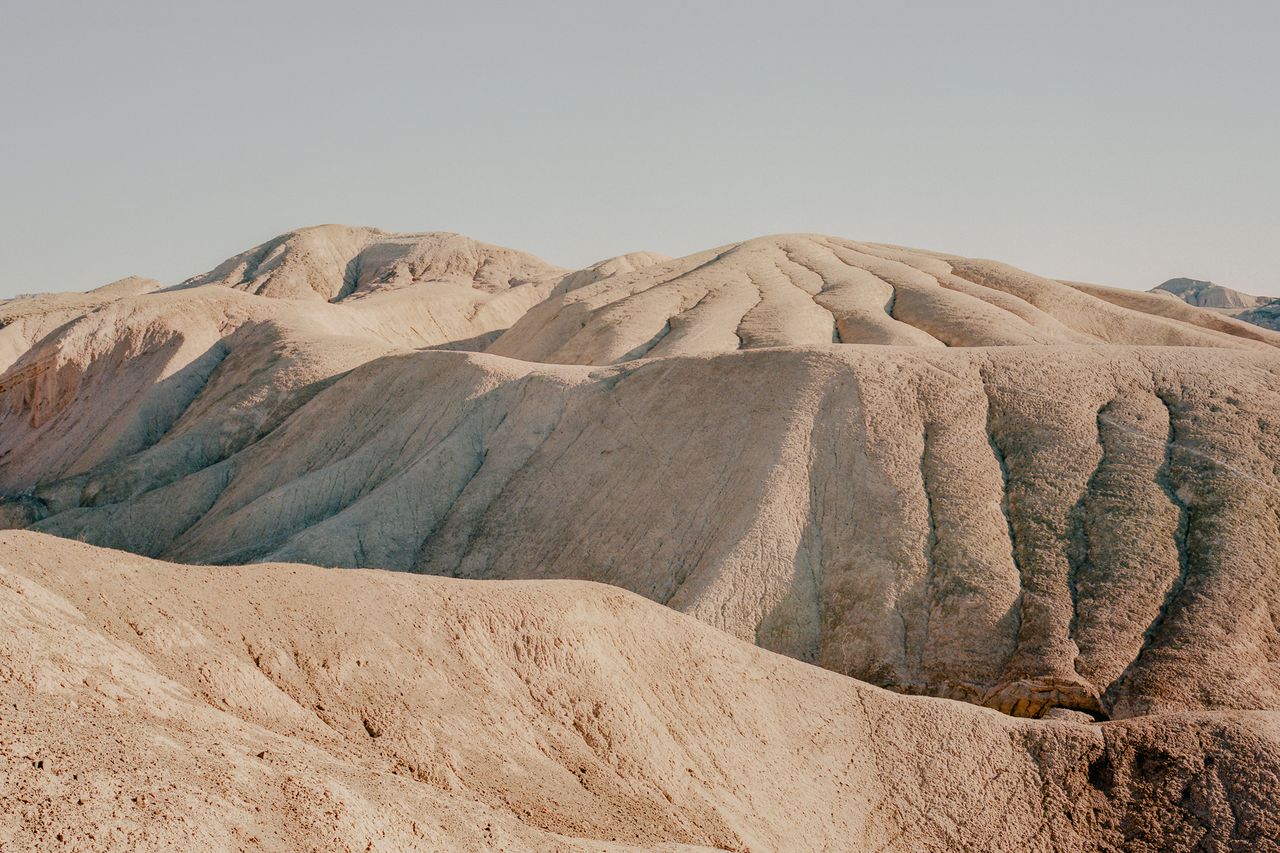
Another highlight is the Artists Palette, a collection of hills that appear painted in shades of orange, pink, blue, and yellow due to volcanic deposits. A short loop trail allows for a closer look at this natural masterpiece, while the scenic Artists Drive offers a broader perspective of the area.
Exploring Badwater Basin
No visit to Death Valley is complete without a trip to Badwater Basin, the lowest point in North America. This vast expanse of salt flats, formed from an ancient lake, stretches over 200 square miles. The best views are obtained after walking about two miles across the basin, where the white surface glows with the golden light of sunrise or sunset. The contrast between the bright salt flats and the surrounding desert makes for a striking visual experience.
Venturing Into the Backcountry
For those looking to escape the crowds, a backcountry drive offers a thrilling way to explore Death Valley’s remote beauty. The park features nearly 1,000 miles of paved and dirt roads, providing access to dramatic canyons, desert scrub, and sweeping vistas. However, these drives require careful preparation, including adequate supplies and a vehicle capable of handling rugged terrain. Local rental companies like Farabee’s Jeep Rentals provide vehicles and guided tours for those interested in experiencing the backcountry safely.
Where to Stay
Despite its remote location, Death Valley offers a variety of accommodation options for visitors. The Oasis at Death Valley in Furnace Creek includes the four-diamond Inn at Death Valley, which features a spring-fed pool and stylish casitas, as well as the family-friendly Ranch at Death Valley, built around an 18-hole golf course. For those staying near the sand dunes, Stovepipe Wells Village offers a laid-back hotel with a swimming pool, on-site dining, and RV hookups.
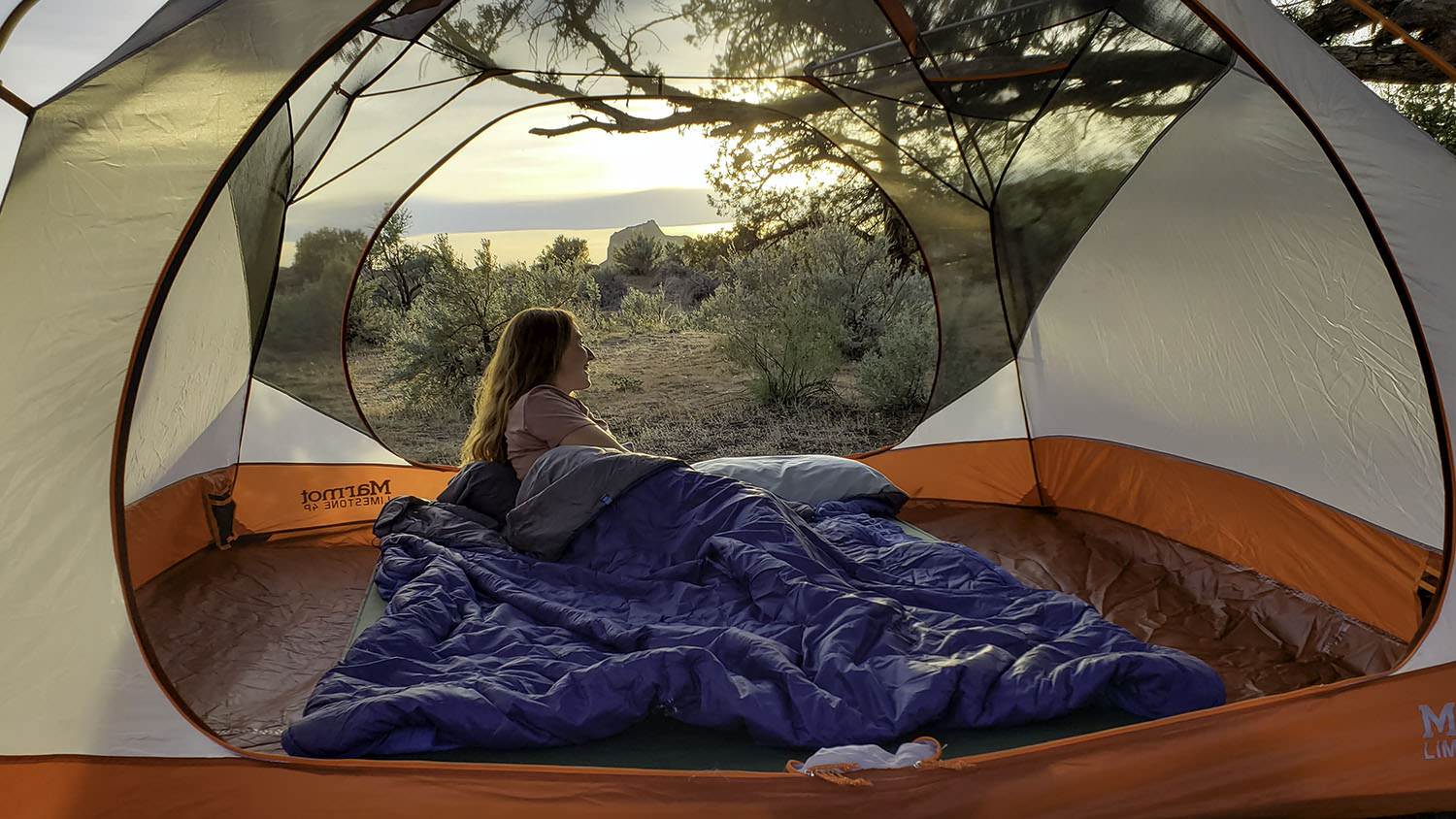
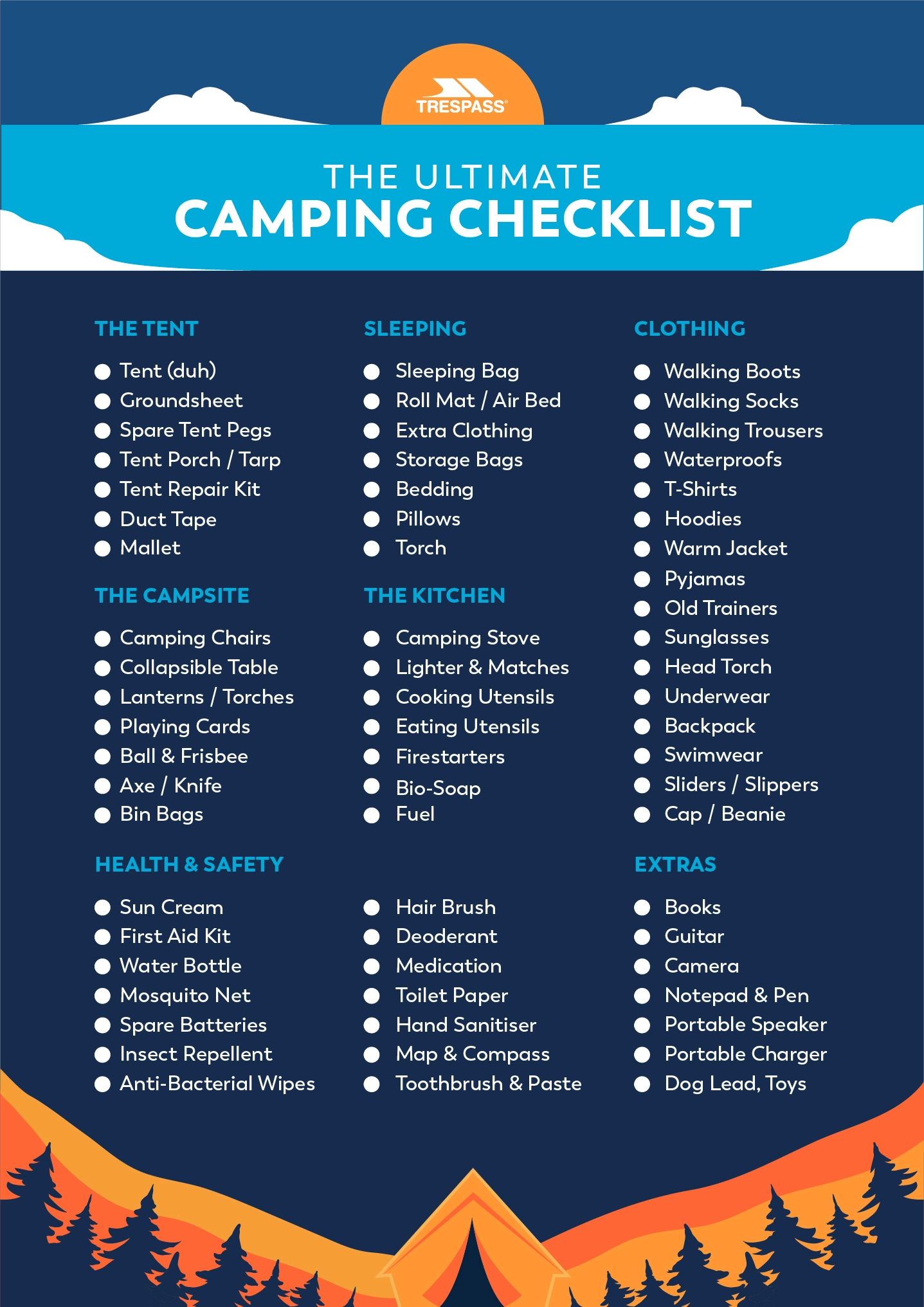
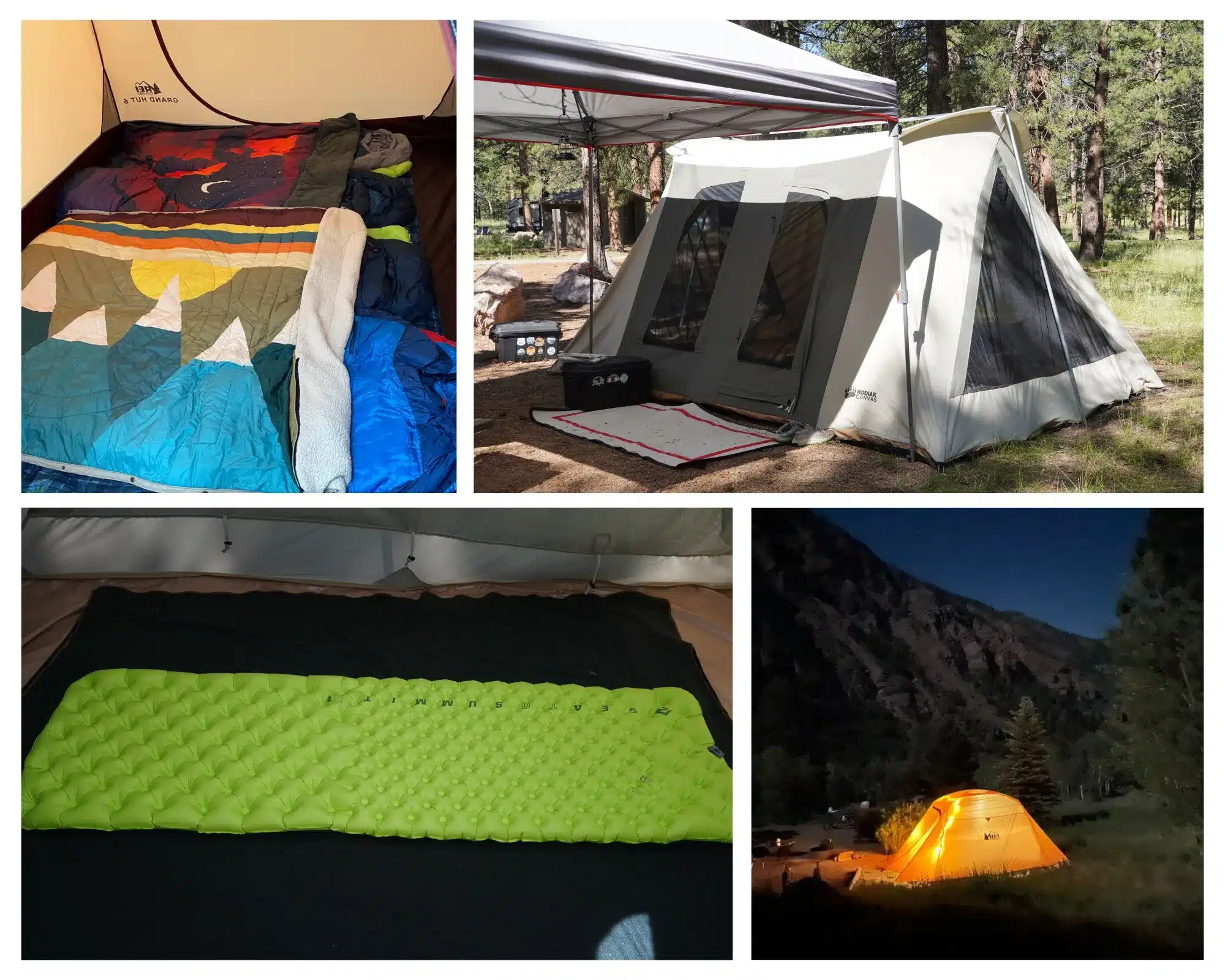
Camping is also a popular option, with Furnace Creek and Sunset campgrounds providing convenient access to the park’s attractions. Reservations are required for Furnace Creek from October 15 to April 15, while Sunset usually has ample space even during the busy spring season.