
The Origins of the Unicorn Legend
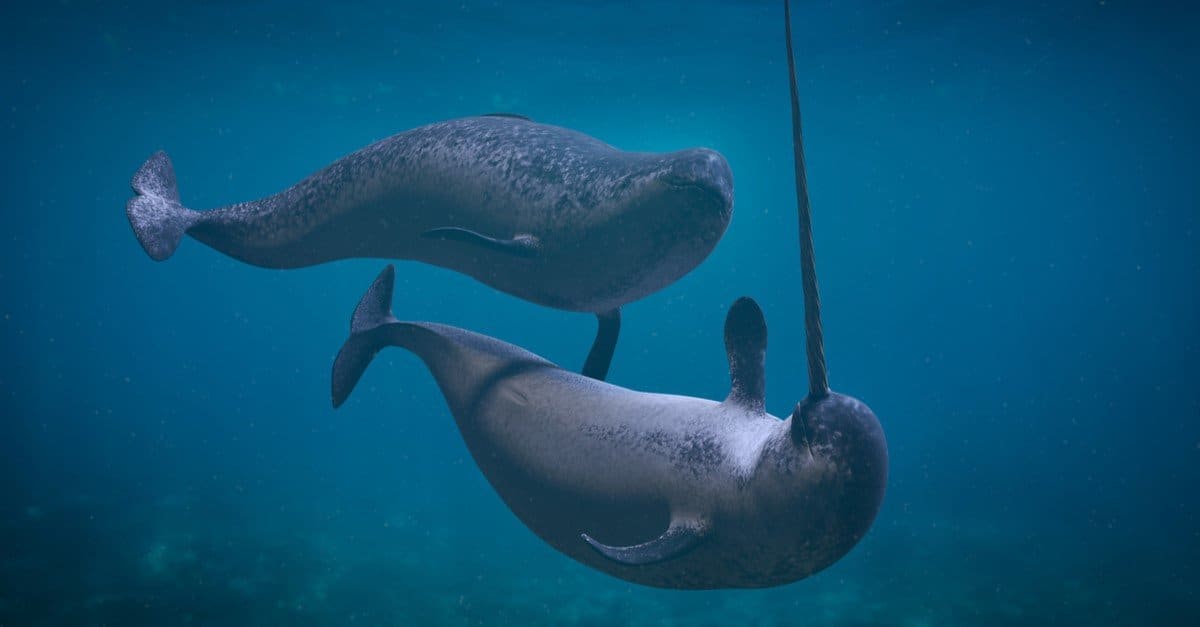
The idea of unicorns has captured human imagination for centuries, with some “unicorn horns” reaching lengths of up to ten feet. The serrated texture of the narwhal tusk creates immediate skepticism for modern skeptics, yet it fueled medieval beliefs and myths. Merchants focused on Greenland to prevent travelers from debunking the origin of their sacred wares. The Ancient Greeks were the first to record proof of “unicorns” existing before the Vikings did.
Humans have always been drawn to the idea of magical creatures. When the world feels too heavy, fantasy offers a world where anything is possible. Perhaps this is how the Vikings convinced an entire group of people that unicorns were real. They even peddled wares as evidence of these creatures’ magical existence. For many citizens, this “evidence” alone was enough to make them believe that maybe the stories were true.
In reality, the Vikings weren’t weaving fantastical tales. Instead, they were profiting off a legend. One that would, unknowingly, last all the way into modern day.
The Legend of the Viking Unicorn Trade
Around 1000 AD, an idea took root among the Vikings who hunted in the Arctic. Fishing was a popular means of securing food at that time. Narwhals were commonly caught by skilled spearmen, and they were abundant in the waters surrounding Greenland. While their meat and fatty blubber made a hearty meal, their sharp, serrated tusks—actually giant teeth—often went unused. But rather than waste any part of the sacred animal, the Vikings schemed up a plan that left no waste.
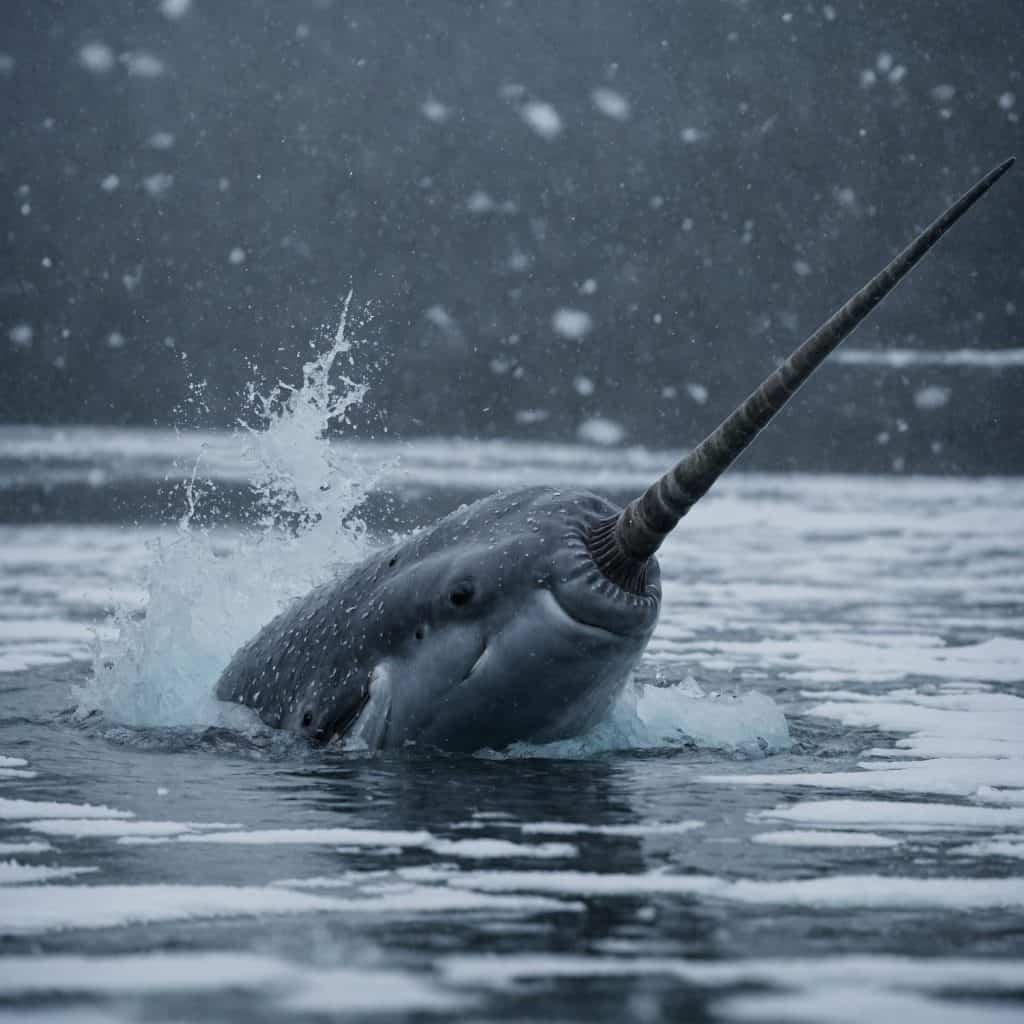
Narwhal tusks, which can grow up to ten feet long, suddenly had a renewed purpose. The Vikings took these prized trophies from their hunts and spun a tale that would be far-fetched in any other time period. Luckily for them, the Medieval Ages were rooted in legend and lore. The Vikings used this to their advantage, presenting narwhal tusks as “unicorn horns.” For most people, this was as believable as claiming that dark magic or dragons existed in unexplored parts of the region. After all, no one was traveling as far north as Greenland to confirm the existence of these legendary creatures.
The Unicorn Horn Trade
It took no time for the unicorn horn trade to take off. Arctic trade routes enabled the Vikings to collect a small set of narwhal tusks, which they then sold for significant profit. The more the word spread of this magical item, the more demand there was. The Vikings often claimed the tusks had magical properties, able to cure ailments, detect poisons, and protect those who carried one on their person. This made them highly desirable to royals and nobles, who paid an arm and a leg for an authentic “unicorn horn.” The belief in them was so strong that some even ground up parts of the tusk and added them to food or drink to ingest magical properties.
For a time, it was an extremely successful business for the Vikings. Their secret was safe since narwhals never swam south, and few dared to travel north. Few people questioned the existence of unicorns or how the Vikings obtained their horns. However, trends often die out, even in the Middle Ages. The introduction of African elephant ivory to Europe in the 13th century led to a decline in the northern walrus ivory trade. But narwhal tusks remained rare and prized curiosities, especially for their supposed magical properties.
Ancient Greece Had Narwhal Unicorns, Too
The Vikings weren’t the first to be fooled by the majestic tusks of animals. The origins of unicorns actually date back much farther to the 4th century BCE. The earliest record of a unicorn was written by the Greek physician Ctesias. He described the creatures in his bookIndica, but what he was really describing were likely rhinos.Indicareveals that they were called “unicornos.” It’s also from this text that many believed these tusks had healing properties.
While the Vikings had many believing the “unicorns” could only be tamed through well-practiced methods, new information in 1785 changed that. Over the 16th and 17th centuries, Europeans gradually realized that these tusks came from aquatic animals, rather than mythical unicorns. A drawing titledIllus. de Superstitions orientalesnoted the difference between the “sea unicorn” and the newly named narwhal, depicting fiction versus reality. At this point, the Viking age was well and truly over, but their trade scheme had been successful.
Narwhals Might Not Be Magical, But They Are Amazing
The tusks of a narwhal were so prized that even Queen Elizabeth I owned one worth roughly £10,000. Despite there being no magic in the tusk, narwhals are still incredible animals. It’s easy to believe they have some type of magic when their giant tooth has up to 10 million nerve endings, capable of sensing activity that often goes unnoticed by other marine life.
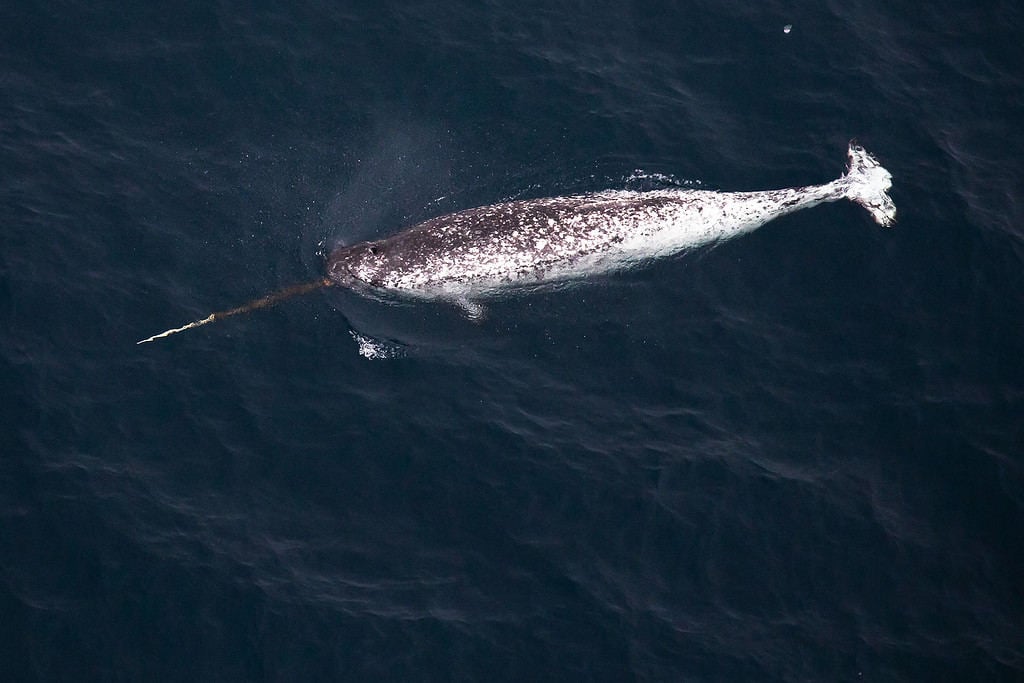
Narwhals also cannot be kept in captivity. No narwhal has ever survived living in a domestic setting. In the wild, they can live up to 50 years, which is quite a long life for a marine animal. Due to the structure of their tusks and need for open ocean, it’s not likely that you’ll ever see a narwhal exhibit at the aquarium. Their elusive nature is another reason why there’s so much mystery surrounding the species. Their tusks may not hold magical properties like the mythical unicorn’s horn, but as a species, these highly unique animals are quite a natural wonder.