As summer approaches, many homeowners are looking for ways to stay cool without breaking the bank. One of the most effective and energy-efficient methods is to adjust the direction of your ceiling fan. Proper fan direction can significantly impact your comfort and energy costs. In this article, we’ll explore how to determine the best fan direction for summer, why it matters, and how to make the most of your ceiling fan throughout the year.
Understanding Ceiling Fan Direction
Ceiling fans work by moving air around a room, creating a breeze that helps evaporate sweat from your skin, making you feel cooler. However, the direction in which the fan spins determines whether it’s pushing air down (cooling effect) or up (heating effect).
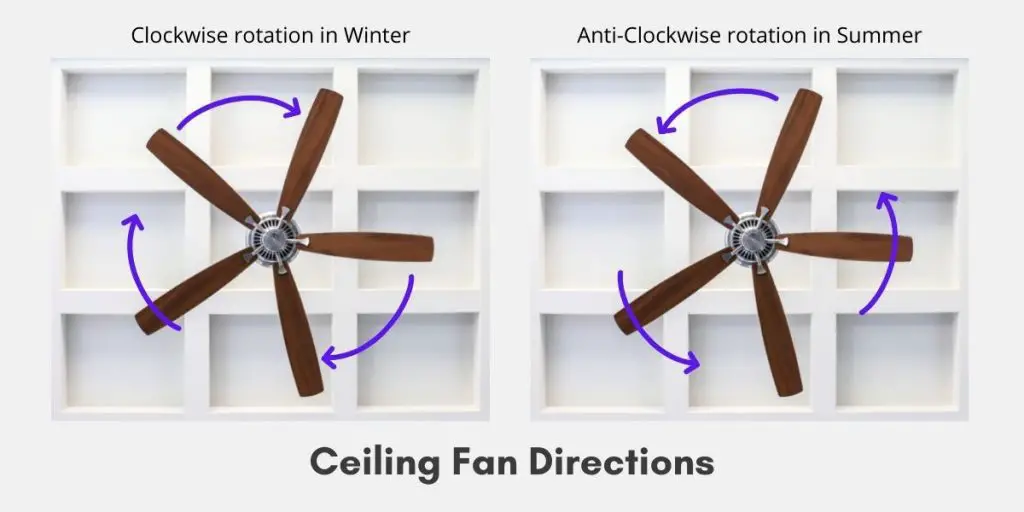
During summer, the goal is to create a cooling breeze, so the fan should rotate counterclockwise. This direction pushes air downward, creating a wind-chill effect that makes you feel cooler. In contrast, during winter, the fan should rotate clockwise to circulate warm air that tends to rise toward the ceiling.
Why Fan Direction Matters for Summer Comfort

The primary reason to adjust your fan direction in the summer is to enhance the cooling effect. When a ceiling fan rotates counterclockwise, it creates a downdraft that moves air directly over your skin, helping to lower your perceived temperature. According to the U.S. Department of Energy, using a ceiling fan correctly can allow you to raise your thermostat by about 4°F without sacrificing comfort. This small adjustment can lead to significant energy savings, as air conditioning systems consume much more power than fans.
Here are some key benefits of proper fan direction in the summer:
- Enhanced Cooling: A properly directed fan creates a consistent breeze that keeps you comfortable.
- Energy Efficiency: Fans use far less energy than air conditioners, making them a cost-effective alternative.
- Improved Air Circulation: Moving air prevents hot spots and ensures even temperatures throughout the room.
How to Change Your Fan Direction

Changing the direction of your ceiling fan is a simple process that typically involves adjusting a switch on the fan’s housing. Here’s how to do it:
- Turn Off the Fan: Make sure the fan is completely stopped before changing directions.
- Locate the Switch: Most fans have a small switch on the side of the motor housing. It may be a slide switch or a toggle switch.
- Adjust the Direction: Slide or toggle the switch to change the rotation direction. For summer, the fan should turn counterclockwise.
- Test the Fan: Turn the fan back on and check the direction by standing under it. If it’s not rotating as expected, double-check the switch.
If your fan has a remote control or smart features, you can often change the direction through the app or remote. Always consult your fan’s manual for specific instructions.
Additional Tips for Maximizing Fan Efficiency

Beyond just changing the direction, there are several other steps you can take to ensure your fan works efficiently during the summer:
- Keep Blades Clean: Dust buildup on fan blades increases energy consumption. Wipe the blades weekly to maintain performance.
- Ensure Proper Height: Ceiling fans should hang between 7 to 9 feet from the floor. Use a down rod for vaulted ceilings and a flush mount for low ceilings.
- Use the Right Speed: Higher speeds create a stronger breeze, but they also use more energy. Choose a speed that balances comfort and efficiency.
- Turn Off When Not in Use: Fans don’t cool the air, only your skin. Turn them off when leaving the room to save energy.
Special Considerations for Different Spaces

While the general rule applies to most rooms, there are some exceptions based on the space:
- Vaulted Ceilings: Keep the fan running counterclockwise all year to maintain strong air circulation.
- Low Ceilings: Use a lower speed setting to avoid cooling food too quickly, especially in dining areas.
- Outdoor Spaces: For outdoor fans, keep the rotation counterclockwise at high speed to deter insects like mosquitoes.
Final Thoughts
Proper fan direction is a simple yet powerful way to improve your summer comfort while saving on energy costs. By rotating your ceiling fan counterclockwise during the warmer months, you can enjoy a cooler, more pleasant environment without relying heavily on air conditioning. Remember to adjust your fan twice a year—once for summer and once for winter—to maximize its effectiveness.
Whether you’re upgrading your current fan or simply maintaining it, understanding the importance of fan direction can make a big difference in your home’s comfort and efficiency. Take the time to adjust your fan today and enjoy a more comfortable summer.