New Year’s Eve in Italy is a vibrant and culturally rich celebration that blends ancient traditions with modern festivities. From unique culinary customs to superstitious rituals, the Italian way of welcoming the new year is as colorful as it is meaningful. Whether you’re in a bustling city or a quiet village, the spirit of New Year’s in Italy is one of joy, hope, and a deep connection to heritage.
Traditional Foods for New Year’s in Italy
Food plays a central role in how Italians celebrate New Year’s. The evening of December 31st is marked by a special meal that includes dishes believed to bring good fortune for the coming year.
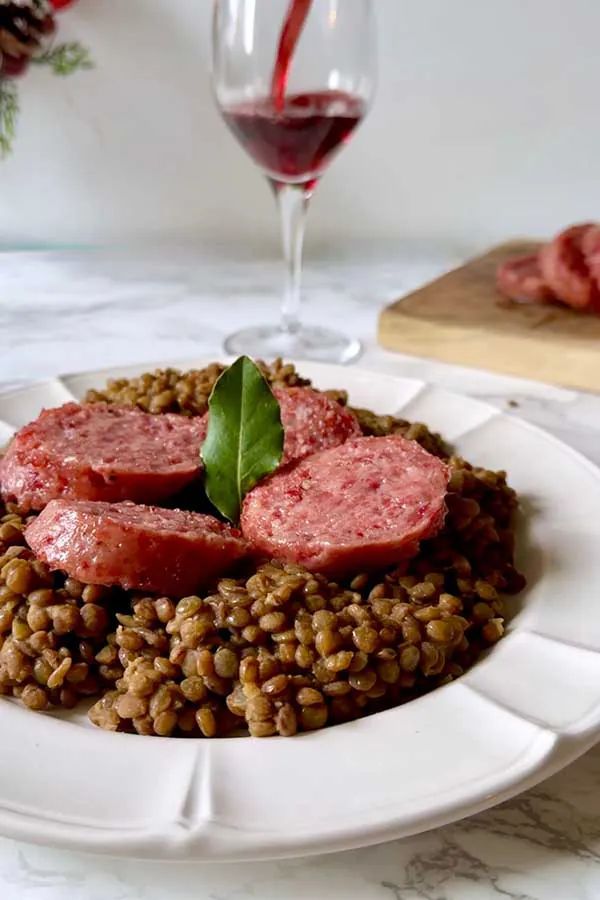
- Cotechino and Zampone: These are traditional pork sausages, often served with lentils. Cotechino, especially the Modena variety with PGI (Protected Geographical Indication) status, is considered a symbol of abundance and fertility. Zampone, another type of sausage, is also popular.
- Lentils: These small, round legumes are a must-have on New Year’s Day. They are believed to bring wealth and prosperity, as their shape resembles coins. In some regions, they are eaten at midnight, while in others, they are served as a side dish.
- Grilled Vegetables and Panettone: Alongside these staples, grilled vegetables and panettone (a sweet bread filled with candied fruits and raisins) are common. These foods are not only delicious but also carry symbolic meanings of renewal and happiness.
Superstitions and Rituals

Italian New Year’s celebrations are steeped in superstition, with many customs aimed at ensuring good luck for the year ahead.
- Wearing Red Underwear: One of the most well-known traditions is wearing new red underwear on New Year’s Eve. This is believed to bring love, fertility, and good fortune. The red color is associated with vitality and energy, making it a perfect choice for the start of a new year.
- Eating 12 Grapes at Midnight: A tradition that dates back to the early 20th century, eating 12 grapes at midnight is said to bring wealth and success for each month of the year. Each grape represents a month, and the act of eating them is seen as a way to maintain financial stability.
- Throwing Old Items Out of the Window: In some parts of southern Italy, people throw old objects out of their windows to symbolically remove the past and make space for new opportunities. This practice is rooted in the belief that clearing out clutter helps welcome positive changes.
Festive Atmosphere and Public Celebrations

The atmosphere in Italy during New Year’s Eve is electric, with cities coming alive with fireworks, music, and public gatherings.
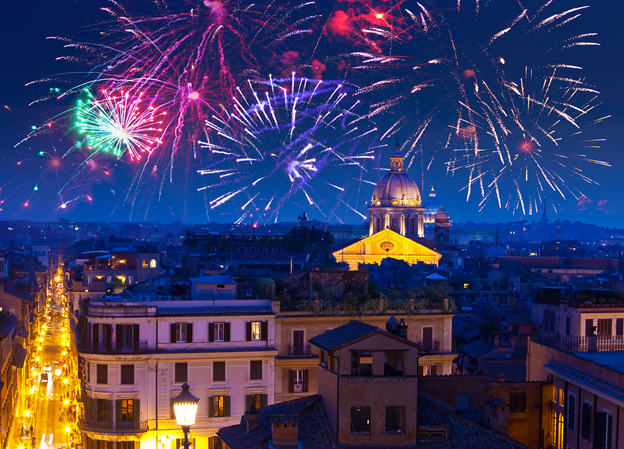
- Fireworks and Bonfires: Fireworks displays are a highlight of the night, lighting up the sky in cities like Rome, Milan, and Naples. In some areas, bonfires are lit in town squares, creating a communal sense of celebration.
- Public Events: Many cities host large events where people gather to ring in the new year. These can include concerts, parades, and street parties, offering a chance for both locals and tourists to join in the festivities.
- Kissing Under Mistletoe: Another tradition is kissing under the mistletoe, which is believed to bring love and good fortune. This custom has roots in Celtic folklore and is still widely practiced in Italian homes and public spaces.
Cultural Significance and Regional Variations
While there are common traditions across Italy, regional differences add unique flavors to the celebrations.
- Northern Italy: In the north, especially in regions like Emilia-Romagna, the focus is on hearty meals and family gatherings. The use of PGI-certified cotechino highlights the importance of local cuisine.
- Southern Italy: In the south, the emphasis is more on symbolic gestures like throwing away old items and participating in community events. The coastal areas often have festivals that include beach bonfires and cold sea baths, adding a unique twist to the celebrations.
- Rural Areas: In smaller towns and villages, celebrations may be more low-key, centered around family and close friends. However, the traditions remain strong, with many households following the same customs passed down through generations.
Final Thoughts

How does Italy celebrate New Year’s? It’s a mix of tradition, symbolism, and joy. From the delicious foods that represent prosperity to the superstitious rituals that ensure good luck, every aspect of the celebration is deeply rooted in cultural heritage. Whether you’re enjoying a cozy meal with loved ones or joining a lively public event, the Italian way of welcoming the new year is an unforgettable experience.
If you’re planning to visit Italy during this time, don’t miss the chance to immerse yourself in these traditions. Experience the warmth of Italian hospitality, savor the festive foods, and embrace the spirit of renewal that defines New Year’s in this beautiful country.