Introduction to the Mosquito Fleet Act
As ferry-dependent Washingtonians continue to face challenges in their daily lives due to service disruptions, a new legislative proposal is gaining attention. Rep. Greg Nance, D-Bainbridge Island, has introduced House Bill 1923, also known as the Mosquito Fleet Act. This bill aims to provide local governments with the tools to establish their own passenger-only ferry services.
Key Provisions of the Mosquito Fleet Act
The Mosquito Fleet Act would allow any county, city, transit agency, or port district bordering Puget Sound or Grays Harbor to create its own ferry service. The measure includes several revenue-generating options such as dedicated sales taxes, parking taxes, passenger tolls, and advertising space leases. These tools are intended to fund the new services.
While the bill does not currently request state funding for additional vessels, Nance mentioned that he may seek such funding in the future if data indicates a demand. He emphasized the importance of addressing current ferry service issues while considering long-term solutions.
Historical Inspiration
Nance named the legislation after the mosquito fleet, a historical group of private steamboats that transported passengers and goods across Puget Sound from the 1880s to the 1920s. He believes there is much to learn from Washington’s maritime history as the state looks to build a more connected future.
Expanding Connections
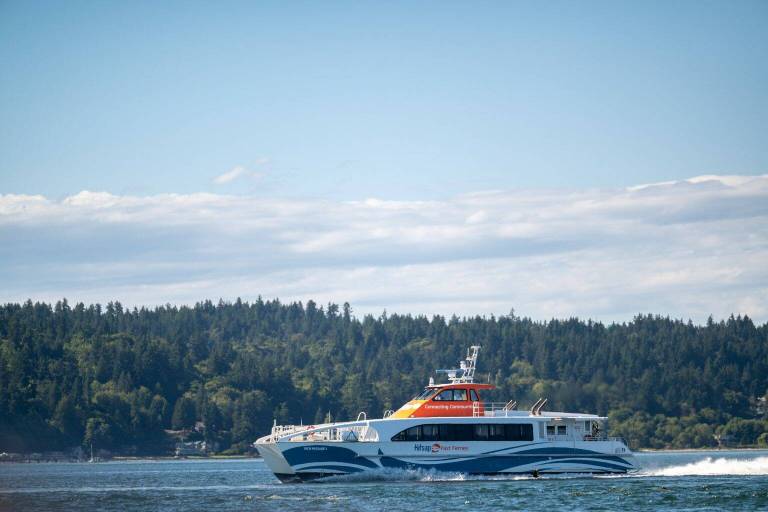
The bill aims to increase connections by establishing new routes and restoring old ones. One example is the 103-year-old route between Sidney, British Columbia, and Anacortes, which was suspended in 2020. Under current law, only certain local entities, like King County and Kitsap Transit, are allowed to operate passenger-only ferry services.
Addressing Current Challenges
Nance explained that the restriction on local entities is due to the state’s desire to encourage residents to use Washington State Ferries (WSF) by eliminating competition. However, as WSF’s fleet ages, service disruptions have become more frequent. To address this, WSF is expected to receive three new hybrid electric ferries starting in 2030.
Despite his belief in the importance of WSF, Nance stressed the need for reliable ferry service now. He highlighted the impact of delays on individuals missing critical appointments, such as chemotherapy, payroll, and school.
Community Support
Evan Perrollaz, mayor of Friday Harbor, supported the bill, citing the negative effects of ferry delays on his island community’s economy and access to services. He emphasized the need for a framework that allows for meaningful planning, funding, and collaboration to build resilience in the ferry system.
Boosting the Shipbuilding Industry
Nance also sees the potential for the bill to benefit Washington’s shipbuilding industry. He advocates for new passenger-only ferries to be built by local shipyards in Puget Sound. Gavin Higgins, CEO of Nichols Brothers Boat Builders, noted the company’s experience in building these vessels, highlighting their efficiency and cost-effectiveness.
Environmental Considerations
Donna Sandstrom, founder of The Whale Trail, raised concerns about the impact of ferries on Southern Resident orcas. She pointed out that ferry noise can interfere with orca communication and potentially cause fatal collisions. Nance acknowledged these concerns and expressed openness to amendments that strengthen protections for the endangered whales.
Legislative Progress
This year marks the second time the proposal has been presented to the Senate Transportation Committee. The bill was introduced last year, passed the House with bipartisan support, but failed to move forward due to the Senate committee not voting before the cutoff date.
Nance emphasized the urgency of the issue and the widespread support for the policy. He stressed that the idea is not just his, but one that ferry-served communities need to address collectively.
Potential Impact
If the legislation passes, it would authorize communities to take the measure to the November ballot for voter approval. Nance mentioned that services could come online as early as 2027, referencing a successful example in Kitsap County where a ferry service was authorized in 2016 and launched in 2017.
HB 1923 received a public hearing in the Senate Transportation Committee on Feb. 27 and is scheduled for an executive session March 2. Whether the committee decides to vote on the bill will determine its fate this session.