A Potential Record Order for Boeing in China
A significant order for more than 500 aircraft could be on the horizon for Boeing as China explores the possibility of acquiring up to 500 narrowbody and 100 widebody planes. This potential deal is expected to be confirmed during a meeting between U.S. President Donald Trump and Chinese President Xi Jinping in April. The meeting marks Trump’s first state visit to China since 2017, highlighting the importance of this negotiation.
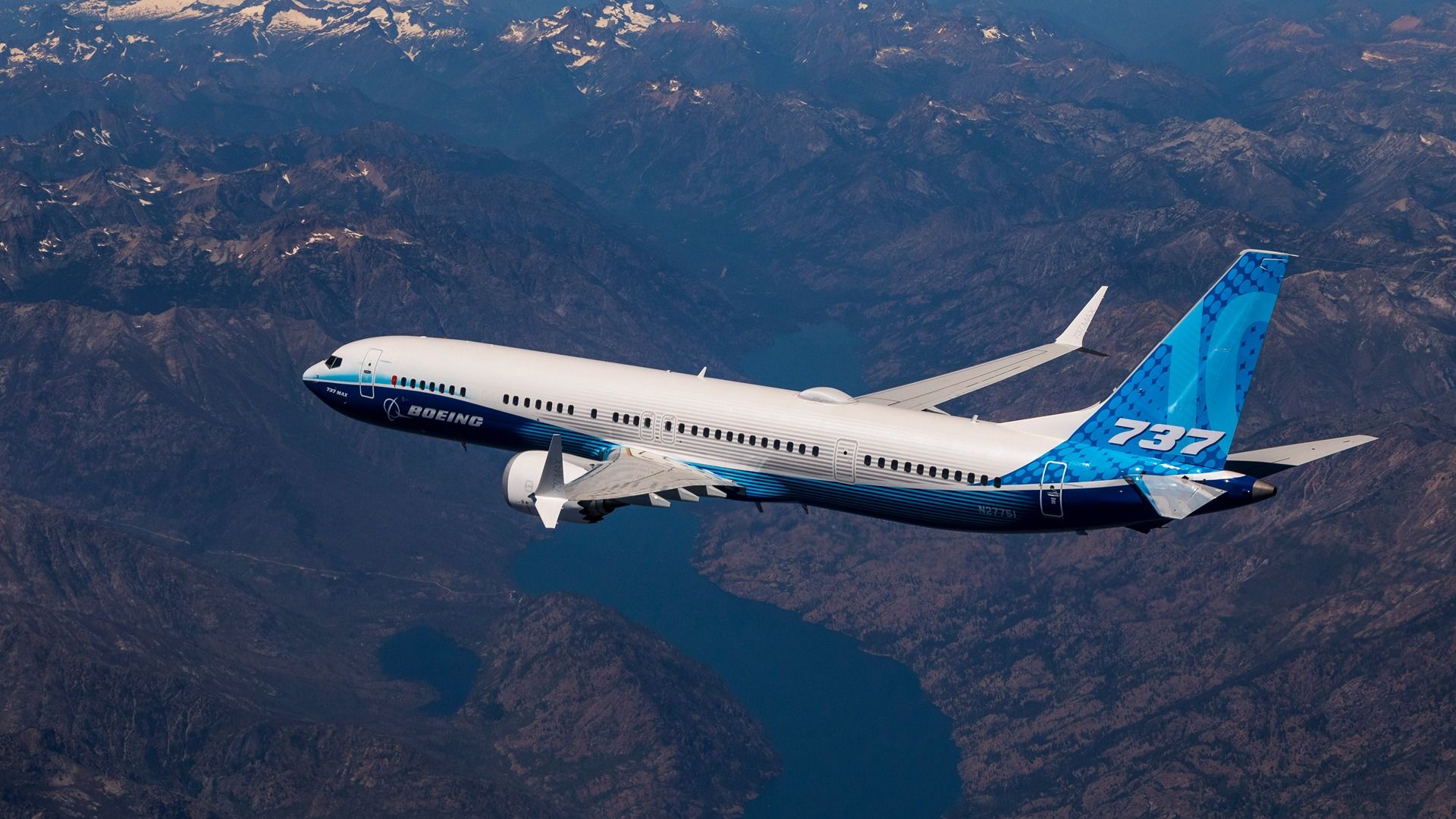
The discussions involve two key components: an order for up to 500 Boeing 737 MAX airplanes and an additional 100 Boeing 787 or Boeing 777X models. As reported by Reuters, the rising tension in these talks has led to a 3.7% increase in shares of U.S. plane manufacturers. This development underscores the high stakes involved in securing this massive order.
China’s Growing Aviation Demand
China’s aviation sector is experiencing rapid growth, with long-term projections indicating a substantial need for more aircraft. In addition to considering orders with Boeing, China has also been engaging in talks with Airbus for another 500 planes. However, this deal remains in the negotiation phase and has seen on-and-off progress over several years.
Historically, China accounted for about 25% of Boeing’s order book. However, this percentage has dropped significantly in recent years, with only 133 aircraft ordered for Chinese airlines, representing roughly 2% of the manufacturer’s total order book. The upcoming visit by Trump to China from March 31 through April 2 will provide a crucial opportunity for both leaders to discuss this potential deal.
Trade Tensions and Aircraft Orders
Trade tensions between the U.S. and China have become increasingly evident, particularly in response to trade tariffs and threats of export controls on Boeing airplanes (from the U.S.) and rare-earth minerals (from China). These issues have created a complex environment for negotiations.
However, Trump has shown a pattern of securing favorable trade deals, as seen last year when several Asian carriers placed orders with Boeing as part of trade agreements with the U.S. Japan and South Korea each ordered over 100 aircraft after Trump pressured trading partners to increase their spending with American firms.
This trend has resulted in billions of dollars in aircraft commitments for Boeing. The conversations with China could potentially shift the balance in favor of the U.S. plane maker.
Strategic Importance of Aircraft Deals
These aircraft deals are not just about commerce; they serve as visible statements of trade relationships. High-value deals allow countries to demonstrate their commitment to improving bilateral relations with the U.S. Additionally, purchasing aircraft typically does not affect local commodities and is politically less contentious for most trading partners.
Major Chinese Airlines
China has its own “Big Three” airlines, similar to the U.S. counterparts. These include:
- China Southern: The largest airline in China by fleet size, it carries more passengers than any other Chinese carrier. Its main bases are Guangzhou Baiyun International Airport and Beijing Daxing.
- China Eastern Airlines: Part of SkyTeam, this airline operates predominantly from Shanghai Pudong and Hongqiao. It recently launched the world’s longest one-stop flight between Shanghai and Buenos Aires with a stopover in Auckland, New Zealand.
- Air China: As the flag carrier of China, Air China is headquartered in Beijing and is a member of the Star Alliance. It is known for its extensive network of domestic and international flights, with its biggest hub in Beijing.
In addition to these,Hainan Airlinesstands out as the largest private carrier in China. Known for its high-quality onboard offerings, it centers its operations in Beijing and Haikou.