
American Airlines’ Cost-Cutting Measures Spark Union Concerns
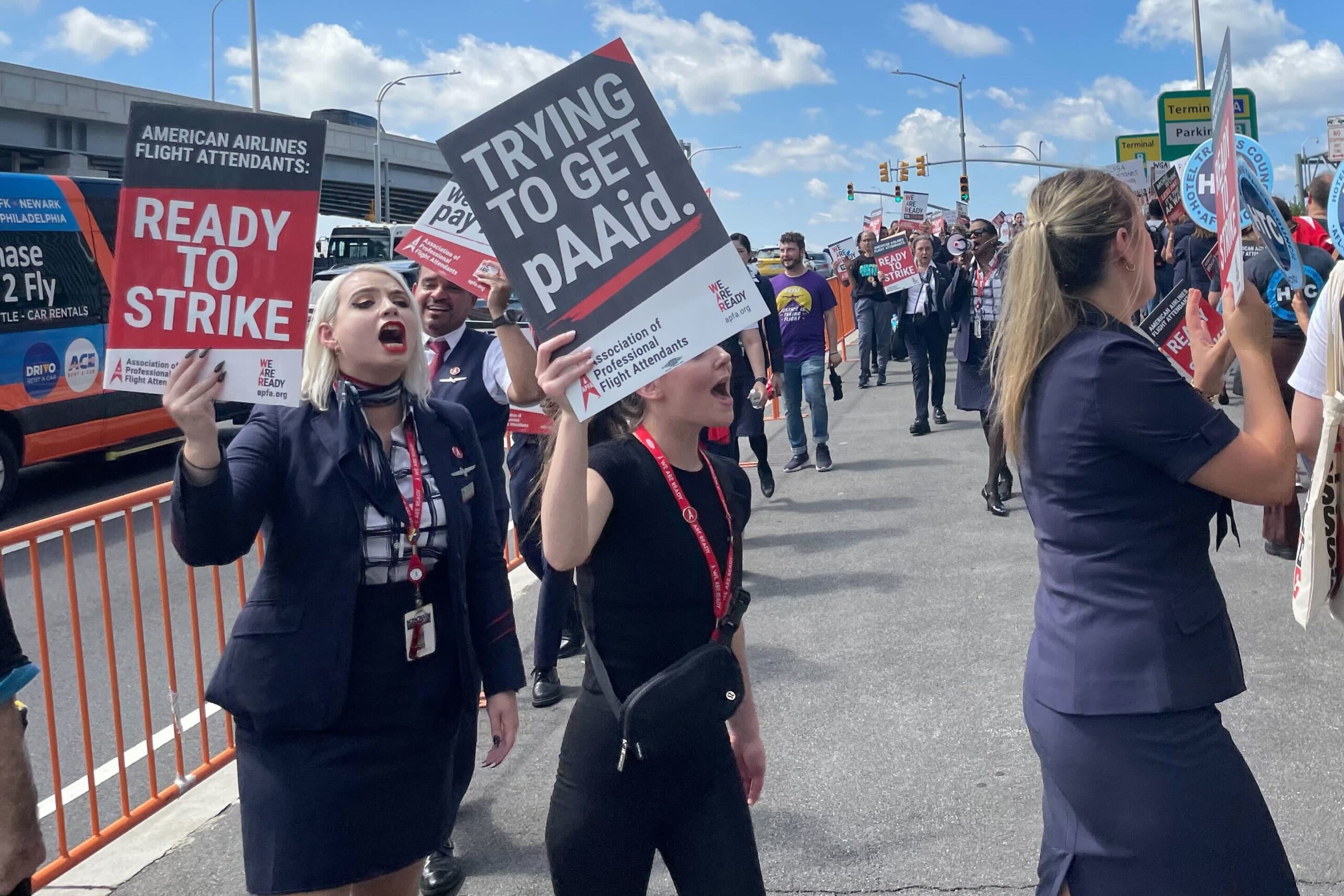
American Airlines is facing growing concerns from its flight attendants’ union, the Association of Professional Flight Attendants (APFA), over recent cost-cutting measures that include finding cheaper hotels for crew members. The union claims this move is part of a broader strategy by airline management to close the financial gap with its main competitors, United Airlines and Delta Air Lines.
While Delta reported a $5 billion profit and United a $3.35 billion profit, American Airlines posted a 0.2% profit margin, though the exact figure was not disclosed. This financial performance has led to public criticism of the company’s leadership, with flight crews also expressing frustration over ongoing cancellations and delays.
The APFA recently issued a unanimous vote of no confidence in the airline’s CEO, Robert Isom, just weeks before the airline announced plans to review the hotels where flight attendants stay during layovers. The union argues that these changes are compromising the comfort and safety of flight attendants, who are essential to maintaining high service standards.
A New Strategy for American Airlines
In response to declining profits, American Airlines has initiated a “premium pivot” strategy focused on luxury, loyalty, and debt reduction. This overhaul aims to regain competitive footing against United and Delta. However, the APFA believes that this strategy comes at the expense of flight attendants’ well-being.
According to an internal memo reviewed by PYOK, the APFA accuses airline management of prioritizing business interests over the needs of its employees. The memo states, “As we entered 2026, it became clear that management plans to review nearly every layover city and replace many long-standing, well-liked, contractually compliant hotels.”
The union claims that management is increasing hotel site visits by 100%, even in locations where there are no issues warranting a change. Despite contractual provisions that give the APFA significant influence over where its members stay during layovers, the union alleges that the airline is ignoring their recommendations.
Hotel Standards and Safety Concerns
The APFA has been advocating for better hotel rooms, dining, and accommodation facilities, as well as safer transportation for flight attendants. The union argues that American Airlines is selecting hotels without following the “mutual agreement” process required by the contract.
There are concerns that the hotel site visits could be used to identify faults in existing hotels so they can be replaced with lower-quality accommodations or moved to out-of-downtown locations where room rates are cheaper. While such visits could have legitimate reasons, such as pre-contract renewal reviews or addressing safety concerns, the union remains skeptical.
Historical Context and Industry Trends
American Airlines’ push for cheaper hotel accommodations came after the “Winter Storm Fern” in early 2026, when thousands of crew members were left without hotel rooms. During this time, CEO Robert Isom reportedly said that flight attendants sleeping on the floor were better than United Airlines’ employees, highlighting the long-standing issue of stagnant wages and unresolved contracts.
The APFA’s no-confidence vote in Isom followed shortly after this incident. Meanwhile, United Airlines has already implemented a similar strategy, using a loophole in its contract with the Association of Flight Attendants (AFA-CWA) to move crew members out of central locations in premium destinations.
United Airlines’ Approach and Challenges
United Airlines has moved flight attendants away from central locations in cities like Amsterdam, London, and Rome. For example:
- London: Crews have been relocated from central Kensington to Woking, 24 miles southwest.
- New York: Crew hotels have shifted from central areas like Times Square to Jersey City.
These changes have caused significant dissatisfaction among flight attendants, who now face longer commutes and reduced access to amenities. The AFA-CWA is working to improve contractual language in a tentative agreement to address these issues.
Conclusion
As American Airlines seeks to turn around its financial performance after a poor year in 2025, the APFA continues to voice concerns about the impact of cost-cutting measures on flight attendants. The union has issued a no-confidence motion against the CEO and insists that any changes to hotel accommodations must involve explicit approval from the APFA.