The Debate Over Free Museums in the UK
In Britain, free entry to most museums and galleries is a point of national pride, up there with the NHS, properly brewed cups of tea, and David Attenborough. However, the reality is that someone has to pay for them, and the question of who is becoming increasingly contentious. Last week, Tracey Emin reignited the debate by suggesting that wealthy individuals should contribute more to keep museums free for the public.
Over the past 25 years, the discussion around free museums has intensified. The New Labour government introduced a policy guaranteeing universal free entry to the permanent collections of UK national museums and galleries. Since then, several factors have impacted the financial stability of these institutions. The pandemic significantly drained their reserves, and the economic downturn placed additional strain on an already struggling fundraising model. Post-Brexit, access to EU cultural funds has been reduced, and high-profile protests have led some museums to cut ties with major benefactors and implement stricter vetting of gifts. For example, the Tate and the National Portrait Gallery no longer accept gifts from the Sackler family due to their connections to the opioid crisis in America, despite their denials.
Some of these challenges have been partially offset by the rise in ticketed temporary exhibitions, which have also seen price increases. This hybrid model, popularized by the Tate, has been adopted by major museums that rely on blockbuster exhibitions featuring artists like Lucian Freud and Lee Miller to maintain free access to iconic works such as Van Gogh’s “Sunflowers” and Da Vinci’s “Virgin of the Rocks.”
However, this approach does not fully cover the rising operational costs or the decline in visitor numbers. Government grants have failed to bridge the gap, with core funding for UK arts and cultural organizations falling by 18% between 2010 and 2023. As a result, museums are facing dire financial straits, with many planning service cuts.
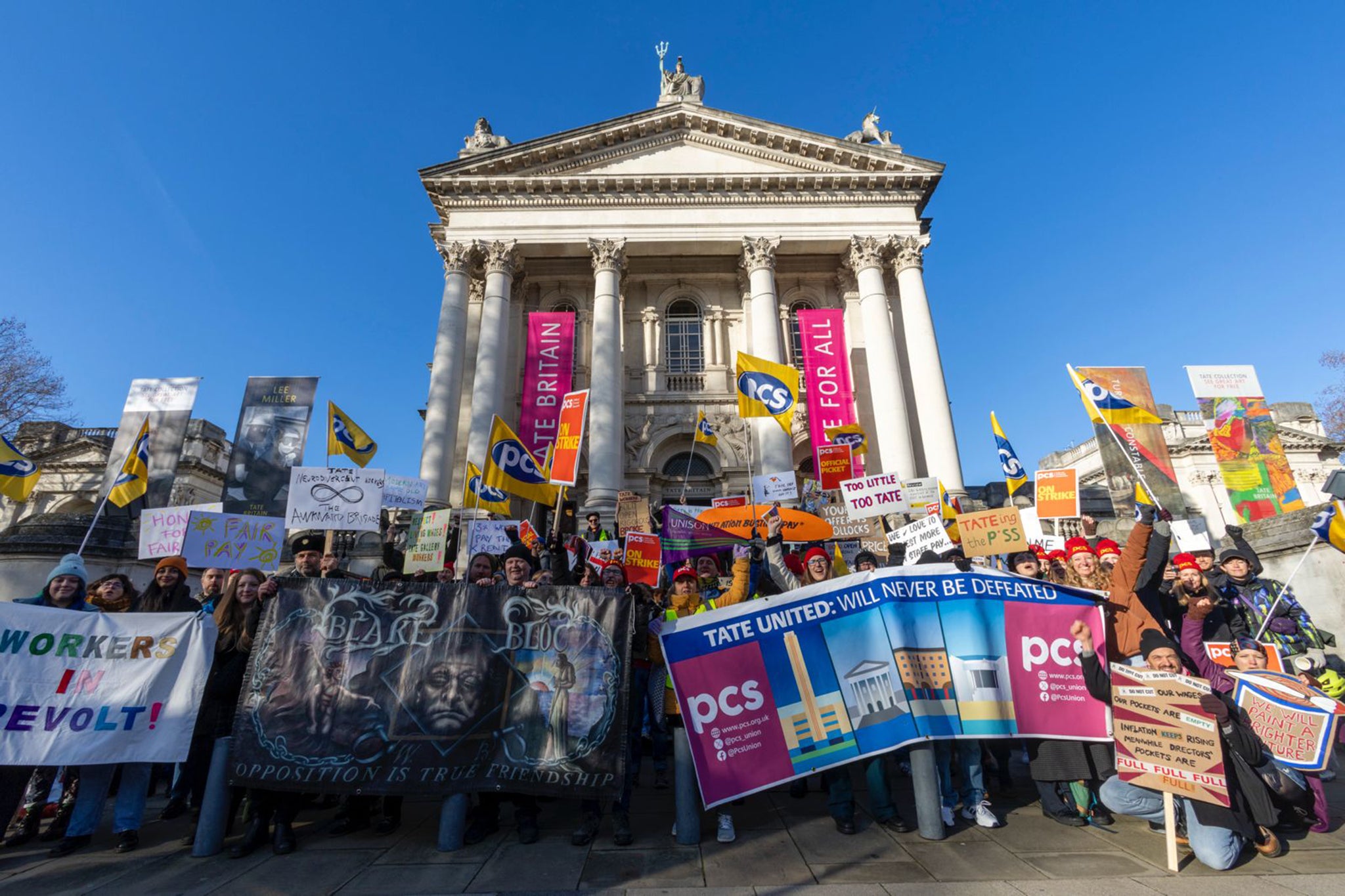
The National Gallery recently announced significant cuts due to an £8.2m deficit, potentially leading to fewer public programs, less international borrowing of artworks, and higher ticket prices. The Museums Association found that 61% of respondents planned service cuts in 2024-2025, compared to 51% the previous year. The Tate is operating with a deficit budget and cut 7% of its workforce last year to address pandemic-related funding shortfalls.
Tracey Emin argues that wealthy individuals should take on a greater responsibility by automatically joining museum memberships and making donations to support free access for all. Her foundation in Margate has long promoted art accessibility, framing museum funding as a civic duty. She believes that if the wealthy contributed more, it would make a “hell of a difference.”
Other figures, such as V&A director Sir Tristram Hunt, have also highlighted the importance of private donors. He urged Rachel Reeves to attract generous non-doms back to the UK after tax changes in the 2024 Budget caused an exodus. Notable donations include a £150m gift to the National Gallery from Silicon Valley investor Sir Michael Moritz and his wife Harriet Heyman, as well as the Julia Rausing Trust.
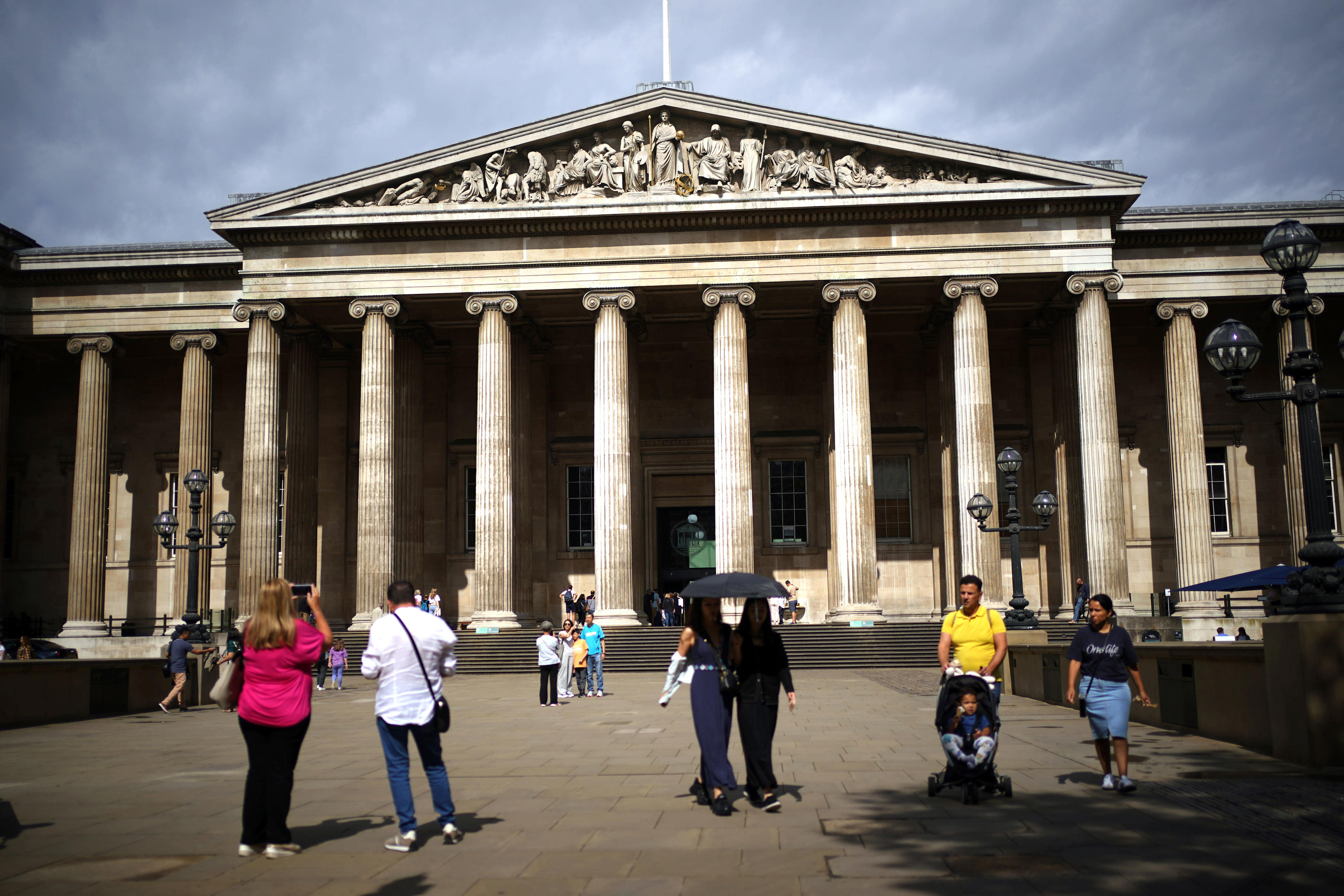
This year’s most anticipated exhibition will be supported by a Belarusian-American hedge fund billionaire, Igor Tulchinsky, who sponsored the Bayeux Tapestry’s arrival at the British Museum. Valued at about £5m, it is the largest ever loan in the museum’s 273-year history. George Osborne, chair of the British Museum, personally thanked Tulchinsky for his contribution.
Alison Cole, director of the Cultural Policy Unit, suggests that while membership schemes and donations help, they are no substitute for sustained government investment. Similarly, Jenny Waldman of Art Fund emphasizes the need for long-term public funding.
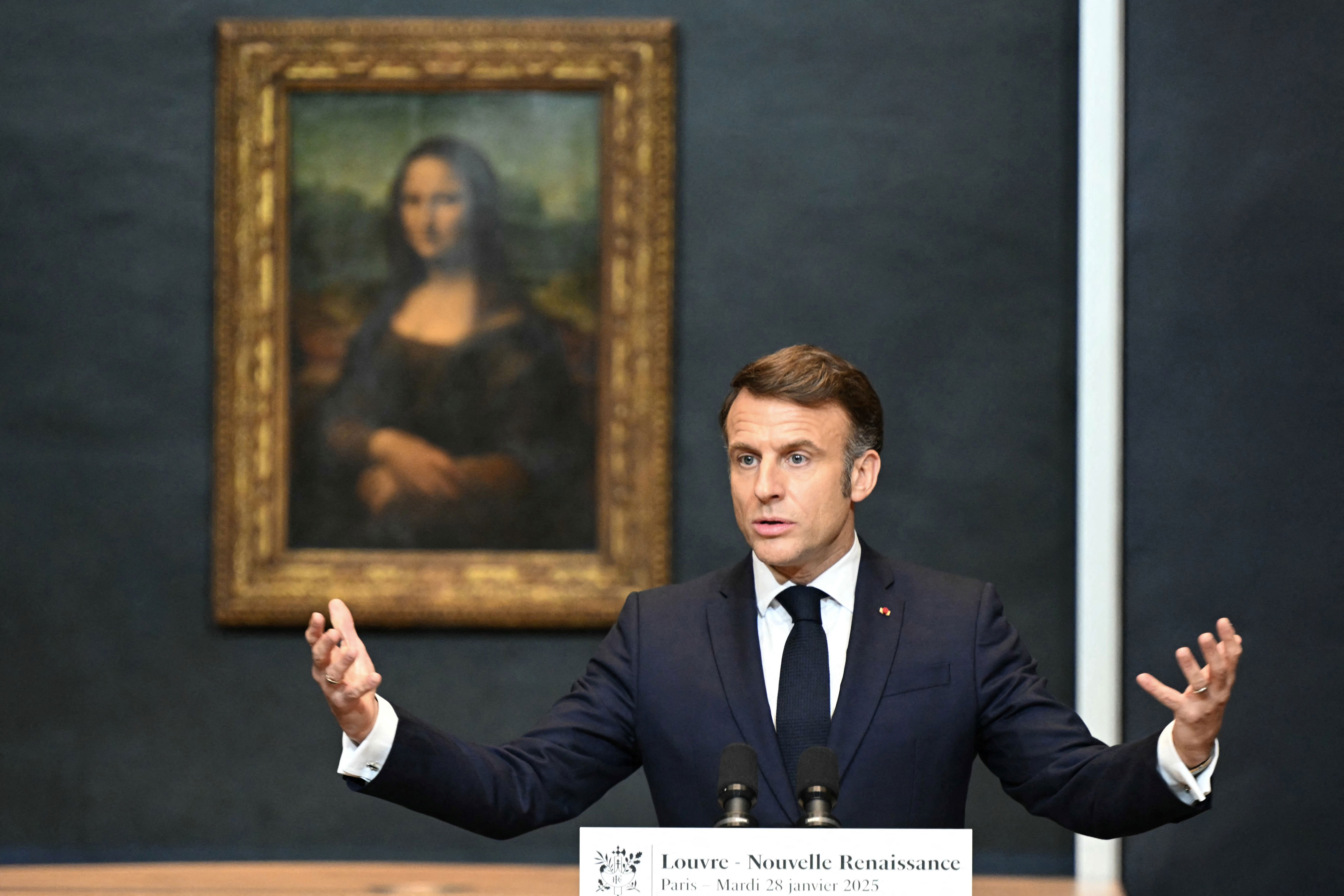
One potential solution is the introduction of tourist fees, with some arguing that UK taxpayers currently subsidize tourism. While charging overseas visitors may seem counterintuitive, many European museums already charge foreign audiences. The Louvre, for instance, partially funded its recent revamp through foreign tourists’ €32-a-pop tickets. Some, like Sir Tristram Hunt and Roy Clare, support a more nuanced approach to free entry, suggesting it doesn’t have to be free for everyone.
Mark Jones, former director of the Victoria & Albert Museum, criticized free entry as regressive, arguing it benefits tourists rather than those in need. However, Nicholas Cullinan, current director of the British Museum, maintains the importance of free entry, citing it as one of the reasons he chose to stay in the UK.
Alison Cole warns against quick fixes, highlighting potential negative consequences of tourist fees. She notes that any behavioral change among overseas visitors could disproportionately affect museum footfall and local economies. Instead, she proposes a small tourist levy, similar to those in Paris and Berlin, to fund museums without harming tourism.
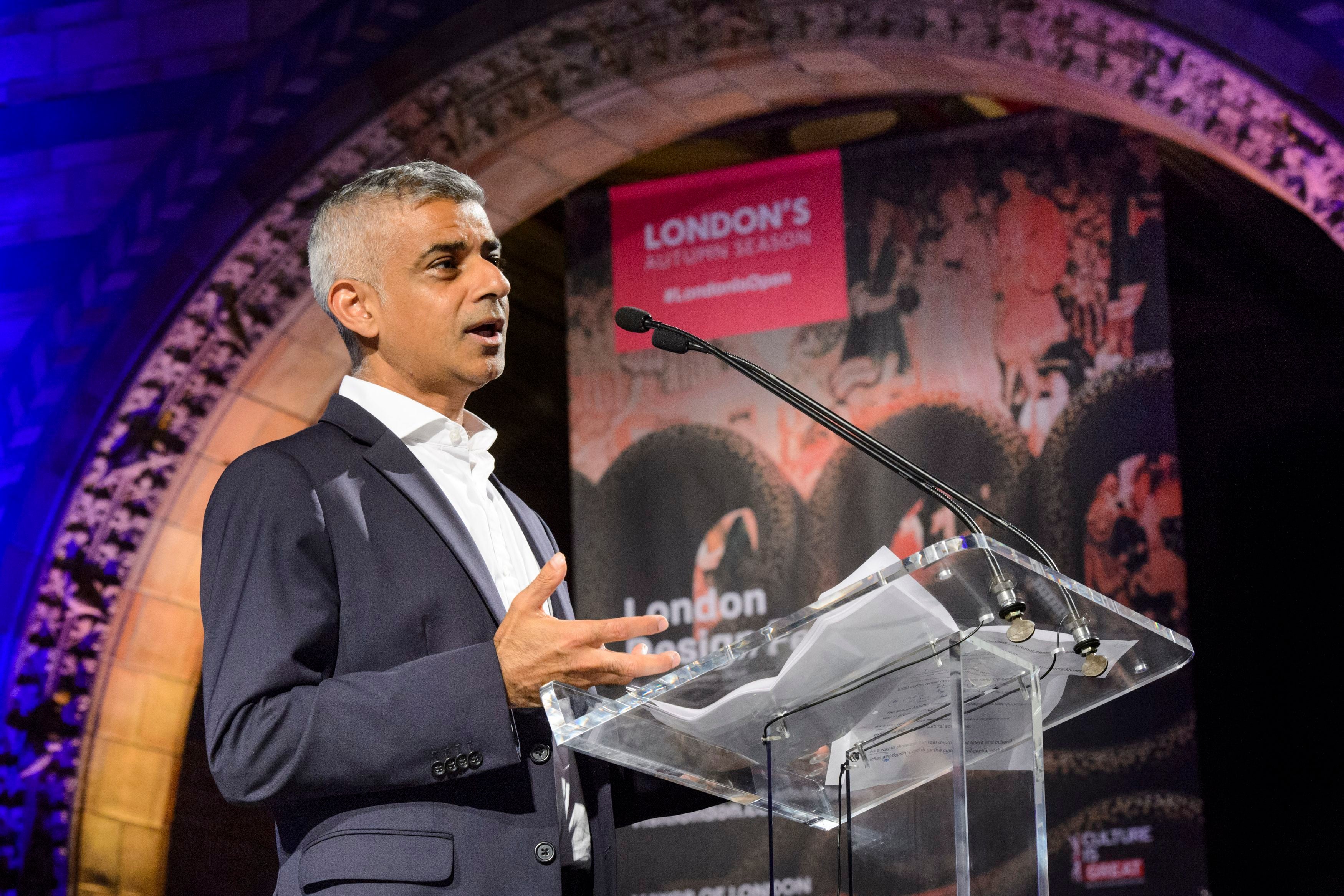
A 2025 report estimates that a tourist levy could generate £1.2bn annually, with London mayor Sir Sadiq Khan advocating for 80% of the hotel levy to go toward culture. Karin Hindsbo, interim director of the Tate, supports a modest tourist levy but insists on ring-fencing the funds for cultural and tourism purposes.
Noel McLean of the Prospect union agrees, emphasizing that the principle of free museum entry is crucial for accessibility. He notes that while the policy has broadened audience diversity, the demographic remains largely middle-class.
The question of who pays for museums is intertwined with a deeper existential question: what are museums for? Introducing fees risks positioning museums alongside paid entertainment, contradicting the belief that they are akin to libraries—reservoirs of knowledge benefiting society. Critics may dismiss this sentiment, but with museums reaching a crisis, something must give.