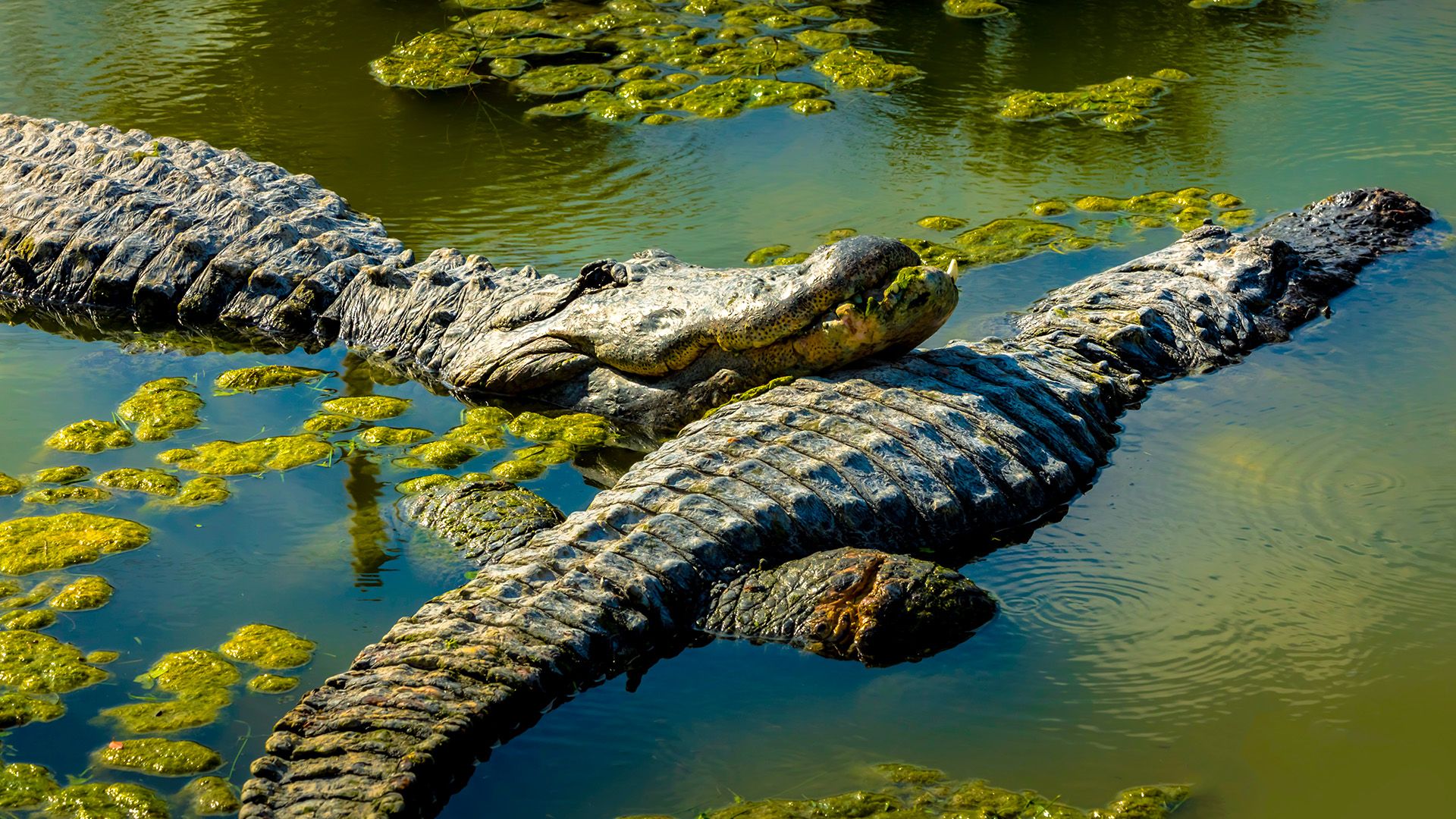
Around 66 million years ago, a massive asteroid struck Earth, triggering the extinction of the dinosaurs, the largest reptiles to ever walk the planet. While those giants disappeared, some of their distant relatives survived. Today, crocodiles and alligators still patrol swamps, marshes, and coastal waterways, carrying on a lineage that stretches back to prehistoric times.
Although these two reptiles are often confused, they prefer slightly different habitats. American alligators primarily live in freshwater environments like lakes, rivers, and marshes, while American crocodiles are more adaptable and can thrive in both freshwater and saltwater habitats, especially in brackish coastal areas. There is, however, one rare place on Earth where you can see both species living side by side in the wild.
Located in southern Florida, less than 50 miles from Miami, a city that will host the FIFA World Cup in 2026, Everglades National Park is the only national park where American alligators and American crocodiles naturally coexist. This unique subtropical ecosystem creates the perfect conditions for both cold-blooded predators to thrive.
Alligators And Crocodiles Coexist In Everglades National Park
Established in 1947, Everglades National Park spans over 1.5 million acres, traversing Miami-Dade, Monroe, and Collier counties. This important national park preserves the life of a subtropical wetland ecosystem, speckled with tangled mangrove forests, shimmering seagrass marshes, and dense cypress domes. Not only does this protected area act as a natural water purifier, but it also minimizes the impact of hurricanes, coastal erosion, and flooding. In addition, freshwater swamps and brackish rivers merge in Everglades National Park, creating an ideal environment for both the American crocodile and the American alligator to live side by side.
The park has three main entrances: the Tamiami Trail entrance to the north, the Gulf Coast entrance near Everglades City on the northwest side, and the Ernest F. Coe entrance to the southeast, which leads toward Flamingo and Florida Bay.
How To Spot Alligators In Everglades National Park
If you’re hoping to see alligators in the wild, head to the Shark Valley area on the park’s northern side. The 15-mile paved loop trail cuts through open freshwater marsh, offering one of the easiest and most reliable wildlife-viewing experiences in the park. You can walk, rent a bike, or take a tram tour along the route. It’s common to see alligators basking on canal banks or floating just beneath the surface with only their eyes visible. During the cooler months, they’re especially active in the sun.
Alligators prefer freshwater habitats, so you’re most likely to encounter them in marshes, ponds, and slow-moving canals. Early morning and late afternoon are prime viewing times, when temperatures are milder and wildlife is on the move.
Where to See Crocodiles In The Park
American crocodiles are rarer and tend to inhabit brackish and saltwater environments. For your best chance of spotting one, head south toward the Flamingo area. The Buttonwood Canal, an artificial channel near the marina, is a known gathering place for crocodiles. Visitors kayaking or boating through the canal often see them resting along the shoreline. The area is also home to manatees and a wide range of wading birds.
Another excellent paddle route is the Nine Mile Pond Canoe Trail, a 5.2-mile loop through shallow marshes and mangrove islets. As you glide quietly through the water, keep an eye out for crocodiles breaking the surface, along with herons, egrets, and even snail kites overhead.
Take An Airboat Tour Or Hike A Trail For A Closer Look
For a classic Everglades experience, consider an airboat tour just outside or along the park’s northern boundary. These flat-bottomed boats glide across marshes, giving visitors access to remote wetlands that are otherwise difficult to reach. Guided tours often include expert narration about the ecosystem and increase your chances of safely spotting alligators in their natural habitat. While crocodiles are less commonly seen on airboat routes, the experience provides a thrilling way to appreciate the scale and beauty of this extraordinary wilderness.
Nearby walking trails also offer wildlife-viewing opportunities. The West Lake Trail, a short boardwalk loop through red, white, and black mangroves, provides elevated views over coastal wetlands. The Snake Bight Trail and Rowdy Bend Trail (both currently less maintained and more rugged) wind through hardwood hammocks and coastal prairie toward Florida Bay, where crocodiles are occasionally seen in brackish waters. For cyclists, the Long Pine Key trail system offers over 22 miles of paths through pine rocklands and freshwater habitats where alligators are sometimes spotted near ponds.
Other Animals Can You Spot In Everglades National Park, And How To Behave In Their Presence
Besides the prominent crocodiles and alligators, the Everglades National Park offers a chance to admire an array of other animals, including birds, amphibians, fish, and mammals. The park is home to more than 360 bird species, divided into birds of prey, wading birds, and land birds. There are 16 types of wading birds, all of them characterized by long legs to catch food in shallow waters.
You are likely to see the white ibis, which is the most common, as well as the once-endangered wood stork. The latter has a very particular way of foraging for food: it stirs the water with its feet until it scares the fish, which swims towards its beak. The green-backed heron is smaller compared to the others, but its preying techniques are unique: it uses its sharp beak to dart and catch the fish with sniper-like precision.
If you think this wetland would be noiseless, you might be wrong. Frogs and toads live peacefully in the marshes, creating raucous and quirky melodies. Among these amphibians, more than 300 species of fish inhabit the estuaries, making the national park a world-renowned destination for fishermen. Fishing is permitted as long as you show a license.
Over 40 types of mammals wander freely in the park, including white-tailed deer that you might spot feeding among thick sawgrass prairies or solitary bobcats hiding among mangroves. If you’re lucky, you may even see the shy marsh rabbit moving through marshes and pine lands. Different from a bunny, these rabbits walk on all fours to make their way through the thick vegetation, rather than hop like a domestic rabbit.
Nocturnal opossums and raccoons range around the park, while the agile grey fox can be seen climbing closed-canopy forests. Curious, playful river otters slip through the waterways as they cater to turtles, fish, and even newborn alligators. As much as we would all like to get closer to these animals, it’s essential to remember that it is illegal to feed them, to stay at a safe distance of 15–20 feet from all animals, above all, alligators and crocodiles, watch quietly, and leave no trace.
The Best Time To Visit The National Park And How To Best Enjoy Your Adventure
Your best bet to visit Everglades National Park is during the dry season, which runs from December to April, allowing a better chance to spot the big reptiles. During this season, the climate is pleasant, and the humidity is bearable, with temperatures swinging between 53 and 77 degrees. From May to the end of August, the atmosphere is not as agreeable, with temperatures skyrocketing, making your experience less enjoyable, let alone the annoying mosquitoes buzzing around you. If you’re seeking a cheaper option to visit the park, from September to November, the prices are lower, but the chances of encountering a hurricane are higher.
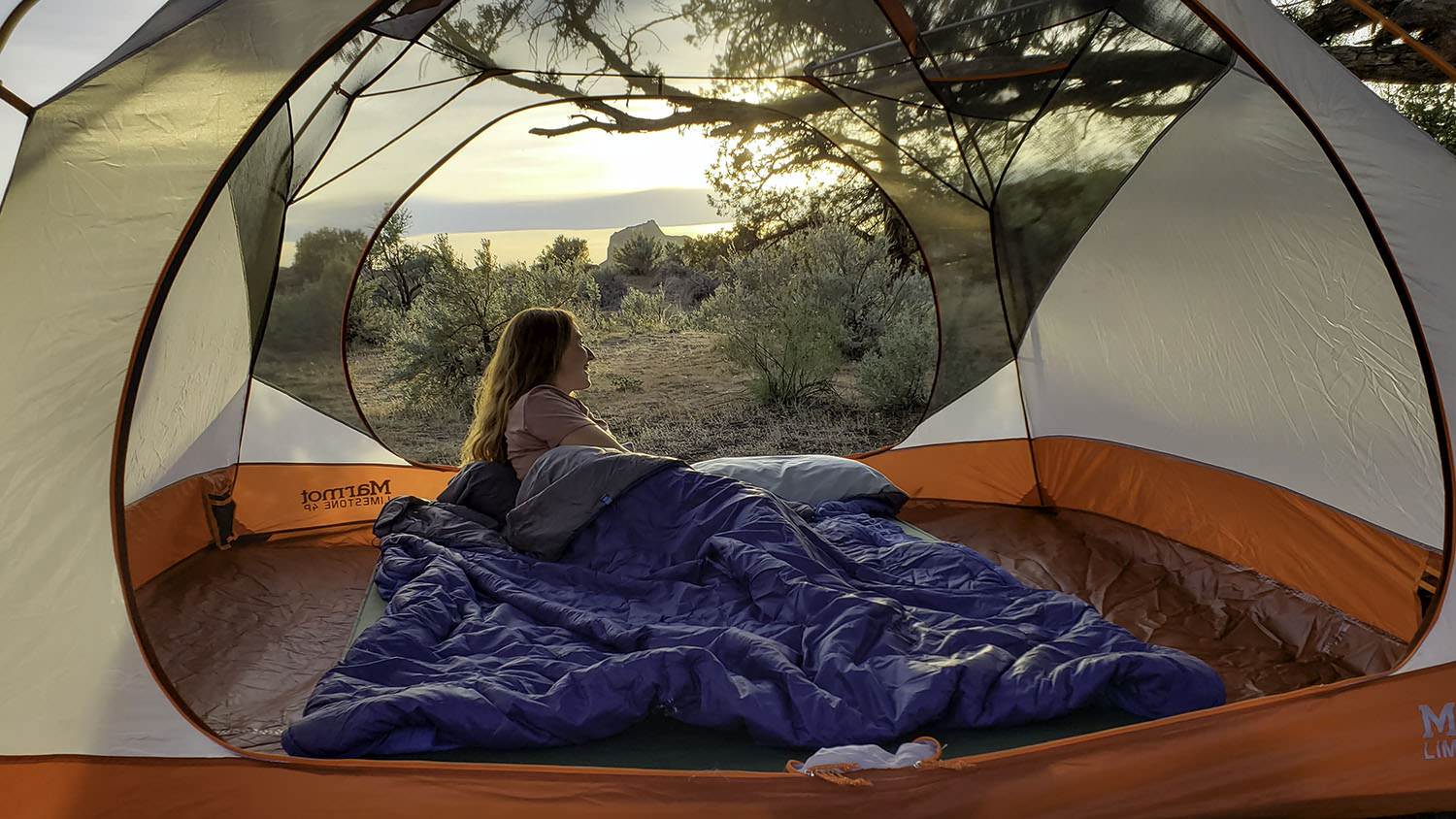
The nature reserve is open year-round 24 hours a day, apart from the entrance at Shark Valley, which is open from 8:30 A.M. to 6:00 P.M. every day. There is a $30 fee per vehicle to pay at the entrance. Travelers can also camp and are required to reserve their spot at either Flaming campground or Long Pine Key. However, not all sites demand reservations; some guests can walk in. You can also bring your furry friend, but they are not allowed on trails or in the wilderness.
For a more immersive experience, Flamingo Ranger Guided Tours provides visitors with ranger-led programs, from guided bird walks and paddling experiences to educational tours where you can explore further what the reserve has to offer. Some events are scheduled at night, after 5 or 6 P.M., inviting you to discover another side of Everglades National Park. As you are immersed in nature and away from pollution, the park offers stargazing experiences while you learn about its nocturnal inhabitants. Some events are free, and others come with a fee. You’ll just need to check their website for information.
Everglades National Park not only offers tourists an opportunity to enjoy the outdoors and spot crocodiles and alligators, but it also provides an educational experience for both adults and children alike, becoming a destination for ecotourism, research, and conservation education.