
The Secret Horsepower Race: A Deep Dive into Fighter Engine Development
The Secret Horsepower Race, authored by Calum Douglas, is a compelling exploration of the race to develop the most powerful fighter engines during the buildup and duration of World War II. Douglas, an expert in internal combustion engines, holds a master’s degree in mechanical engineering and has studied under renowned figures like Geoff Goddard, former chief motor racing designer for Cosworth. His experience with Toyota and his study of Formula 1 engine technology further solidify his credentials. Additionally, Douglas’s knowledge of the German language plays a crucial role in understanding the nuances of the story.
The book opens with a dramatic scene involving a trio of RAF Mosquitos conducting a daylight bombing raid meant to embarrass Herman Göring. This sets the stage for the broader narrative of five countries competing to create the most powerful fighter engines. As the war progressed, France dropped out after being invaded, and Italy, despite an initial strong start, faded from the competition. This left Germany, Great Britain (now the UK), and the United States engaged in a fierce race to produce more powerful engines for aerial supremacy.
Douglas presents the story in a way that captivates readers, avoiding the dryness of a technical report. Instead, he weaves an engaging narrative that is both informative and accessible. Chapter Two, while dense, is essential for understanding the intricacies of powerful internal combustion aero engine design, testing, and production. Each country had its strengths and weaknesses, and the story unfolds with increasing intensity as the reader follows various engine types and their successes or failures.
Throughout the book, Douglas highlights events of World War II influenced by these engines, including the strategic importance of Operation Torch, which denied Nazi Germany access to its chief source of cobalt. This revelation underscores the critical role of rare earth metals in engine development.
As the war progressed, the lack of rare earth metal ores became a significant challenge for Germany. These metals were vital for creating corrosion-proof valves, particularly exhaust valves. Douglas emphasizes the importance of these materials and explains why Germany invaded Norway early on to secure nickel. In contrast, the Allies had an abundance of rare earth metals, including nickel, cobalt, indium, silver, and gold, which they used to improve bearing life with exotic metal alloys. Germany, lacking these resources, had to rely on substitutes like chromium for cobalt and “economy steel” for higher-grade alloys.
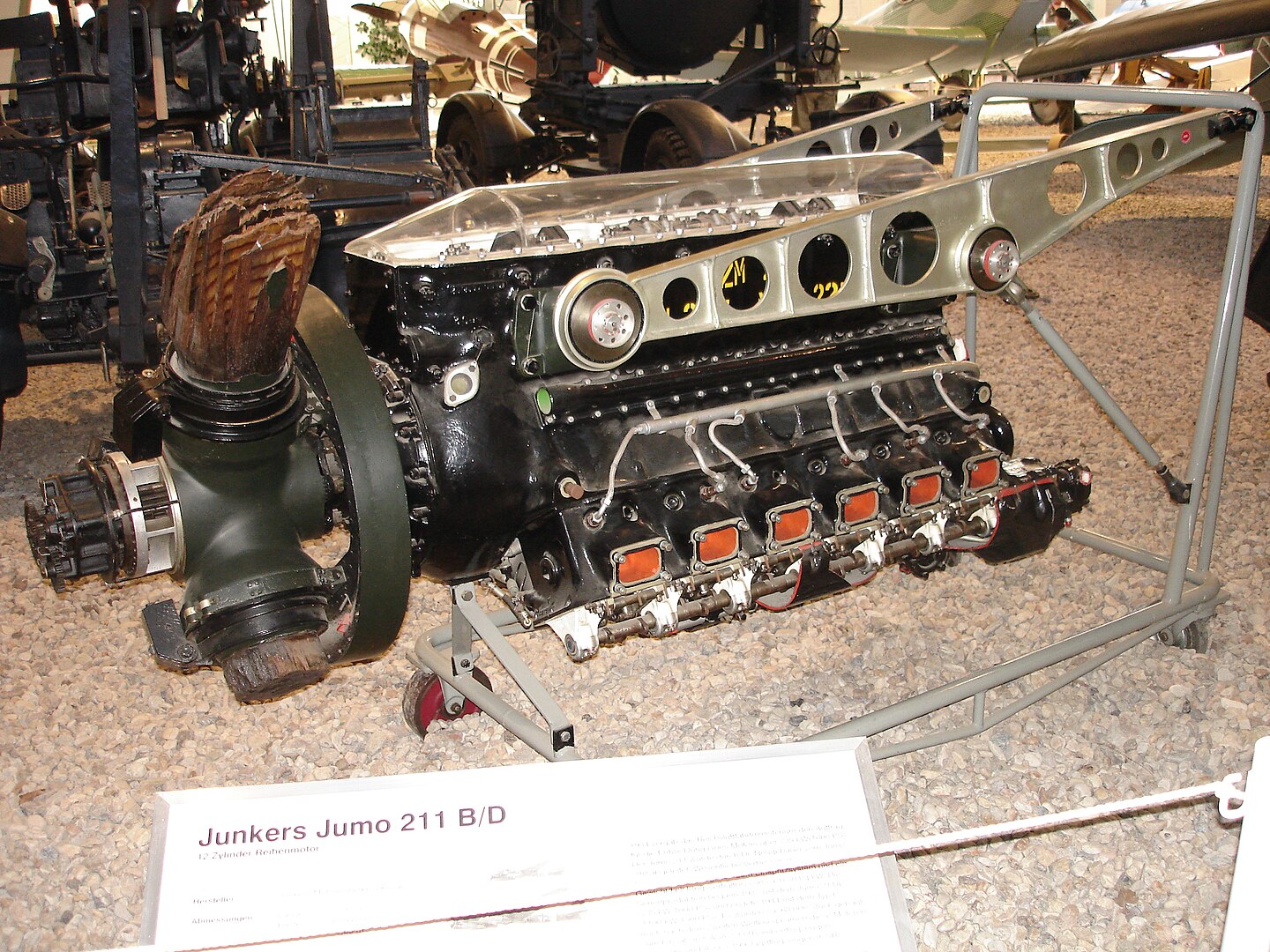
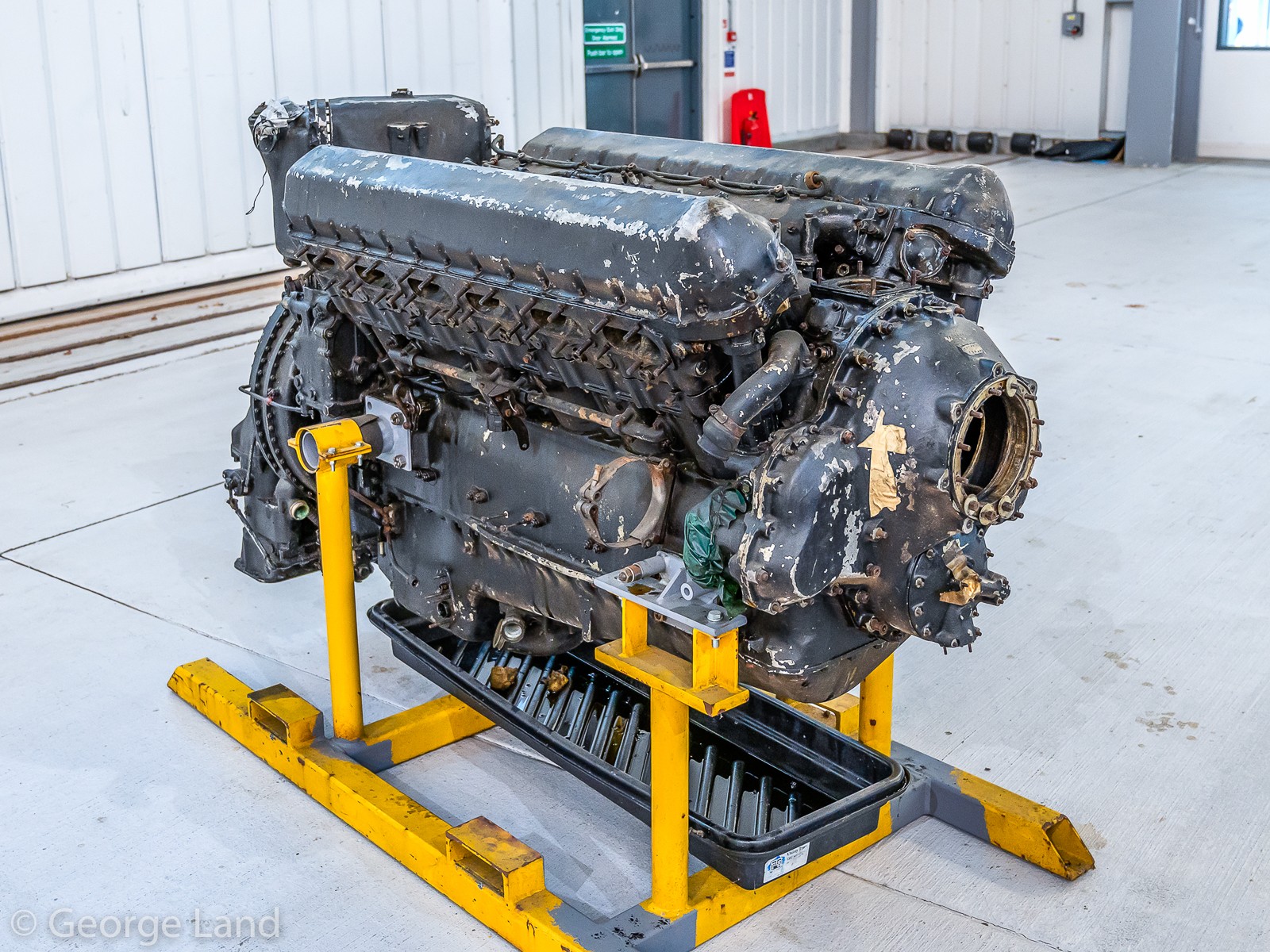
The physics behind sodium hollow-stemmed valves is fascinating, as is the need for rapid heat transfer away from the combustion chamber. Even small details, such as the gaps where spark plug threads do not contact the cylinder head, are addressed. Readers gain a deeper appreciation for the precision required in engine design.
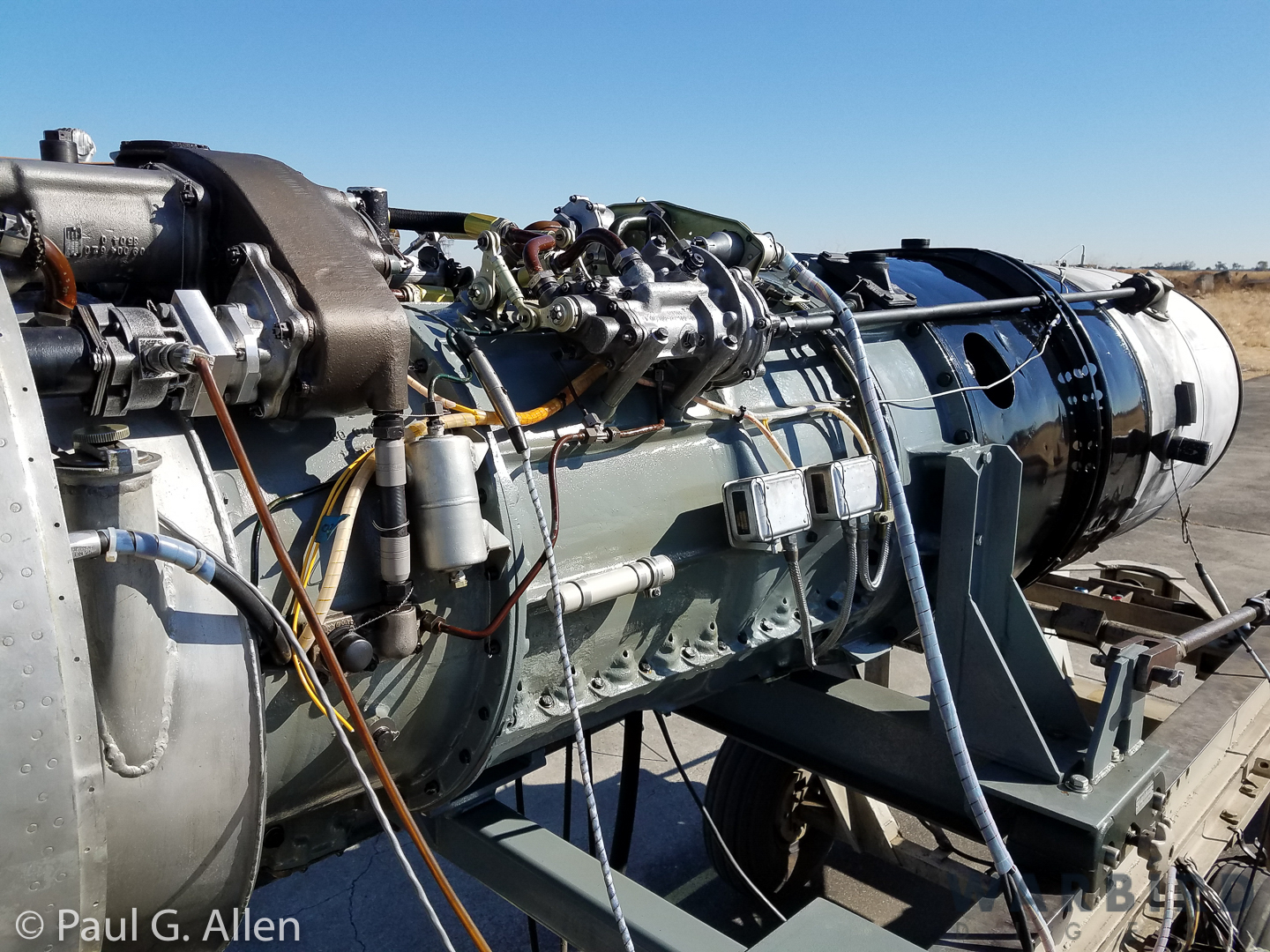
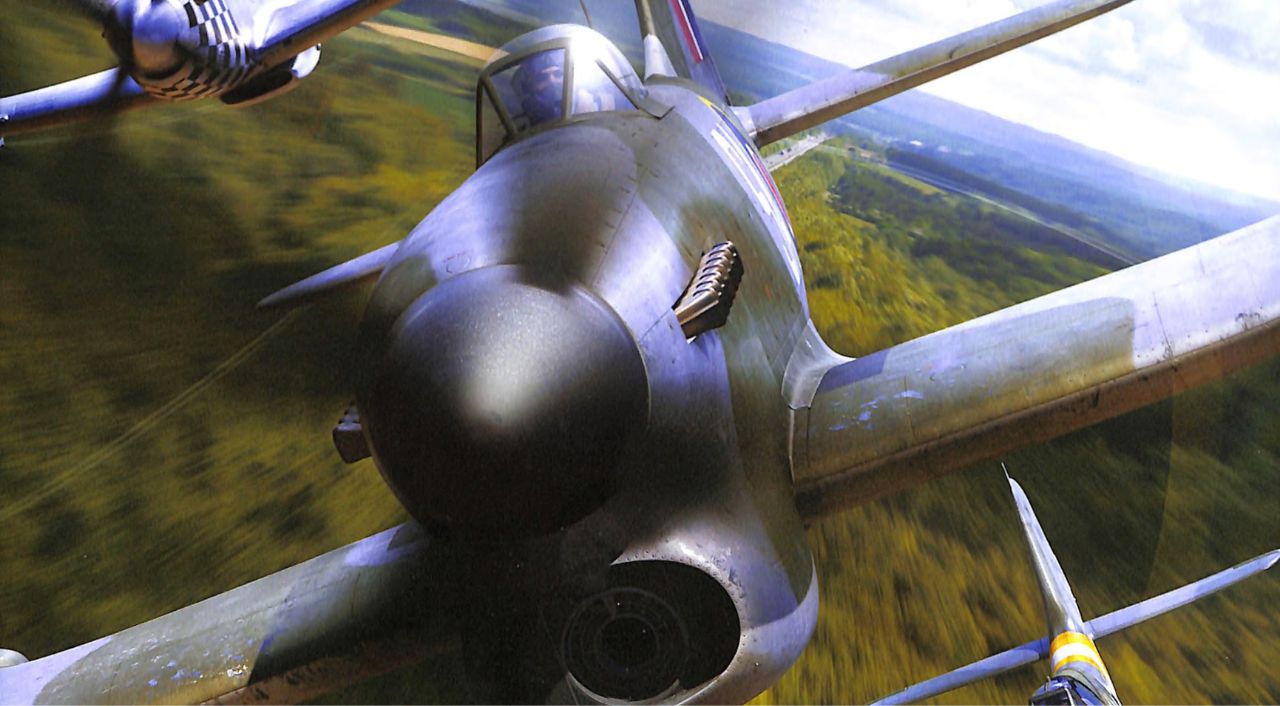
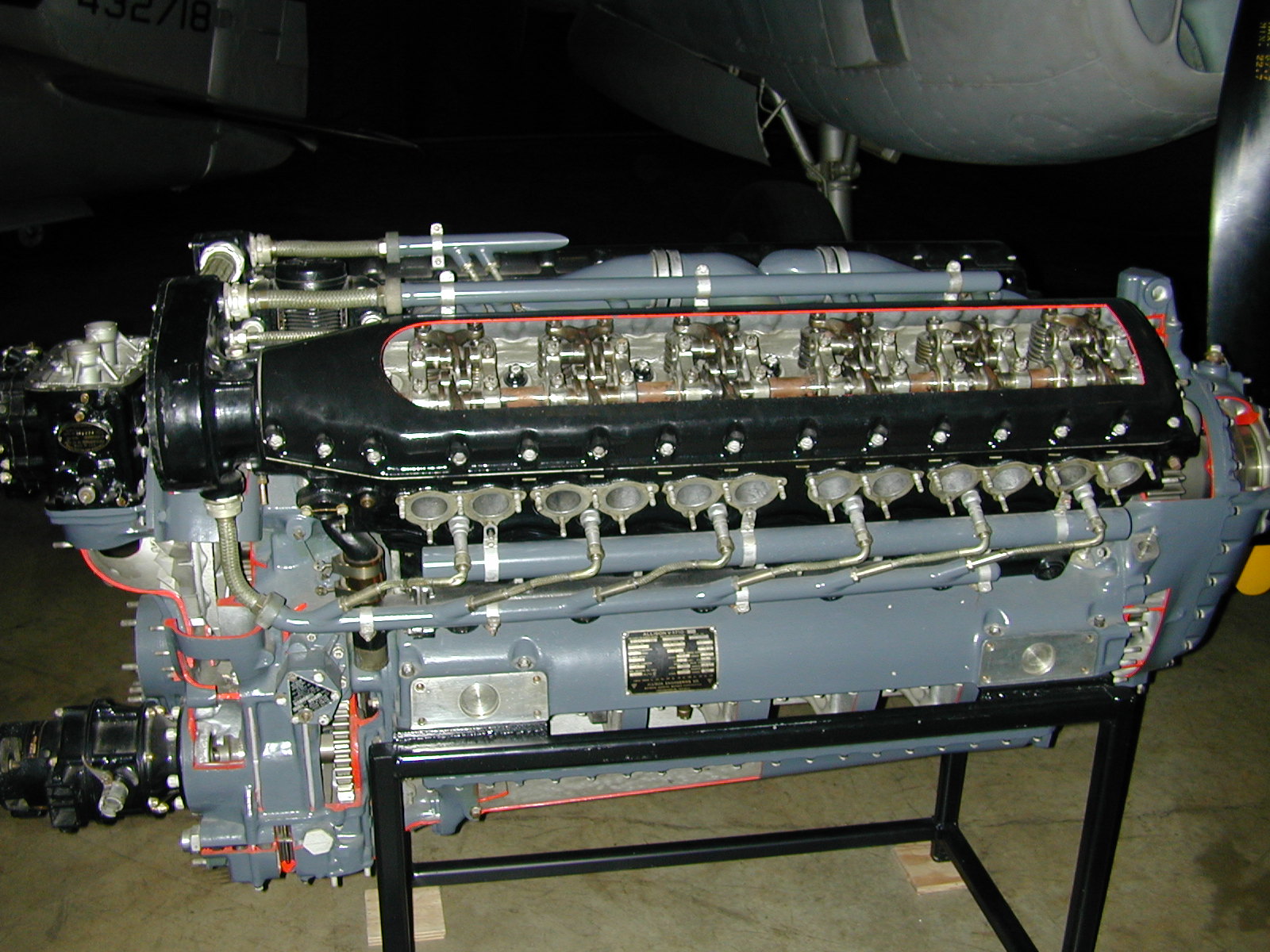
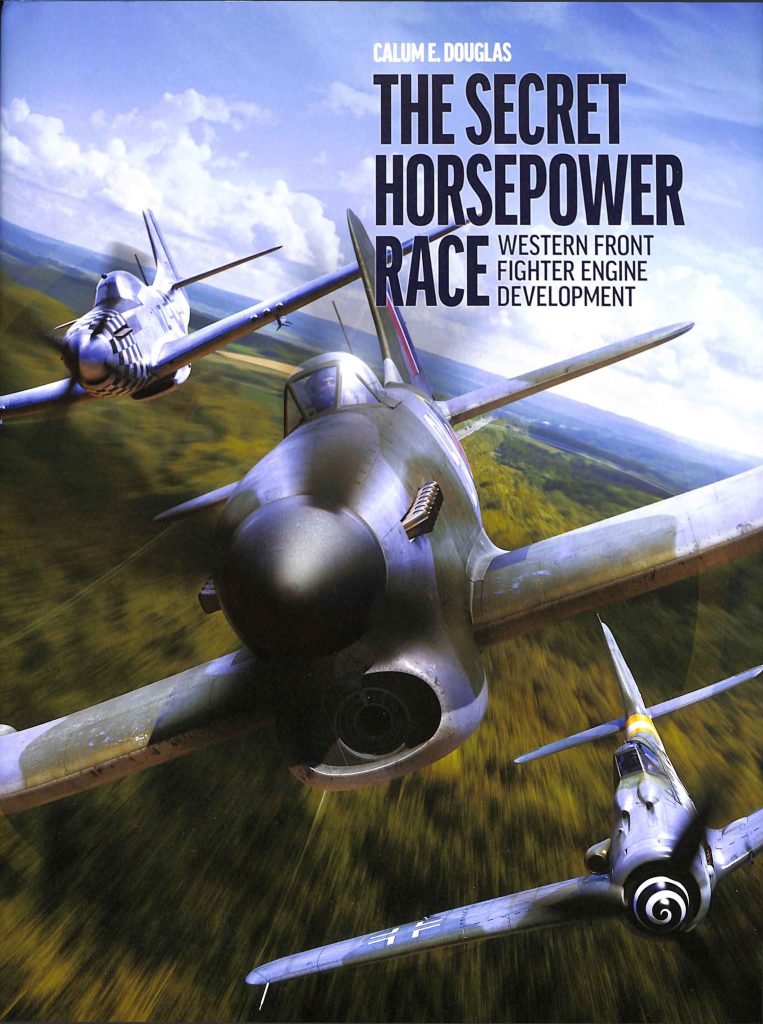
The book highlights several engines and manufacturers, with particular focus on the Rolls-Royce Merlin, Packard-built Merlin V-1650, Allison V-1710, Daimler-Benz DB 601, and Jumo 213. Other engines, such as those from Pratt & Whitney, BMW, Napier, and Bristol, are also described in detail. The book’s cover art, created by Piotr Forkasiewicz, subtly represents these engines through an illustration of an RAF Spitfire, Luftwaffe Fw 190, and US Army Air Forces Mustang.
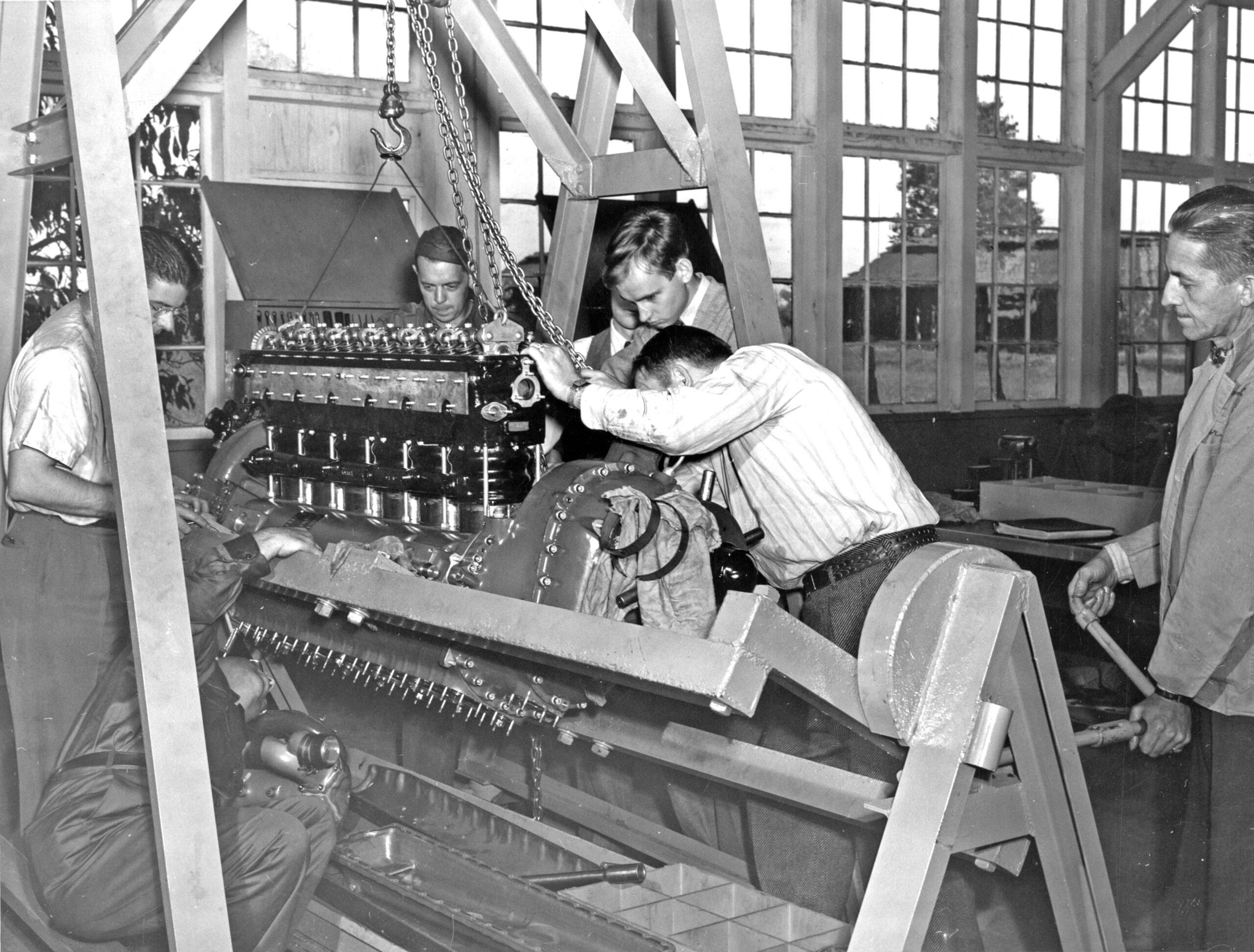
Readers learn that engine development is a long and iterative process. Designers worked simultaneously on advancing engine technology and developing new testing techniques. The demands for more power and higher altitudes became increasingly important. The story of Italy’s engine testing chamber is intriguing, but it is the Farnborough testing facility that truly captures the imagination. With six high-powered engines running in unison, the testing days at Farnborough must have been intense.
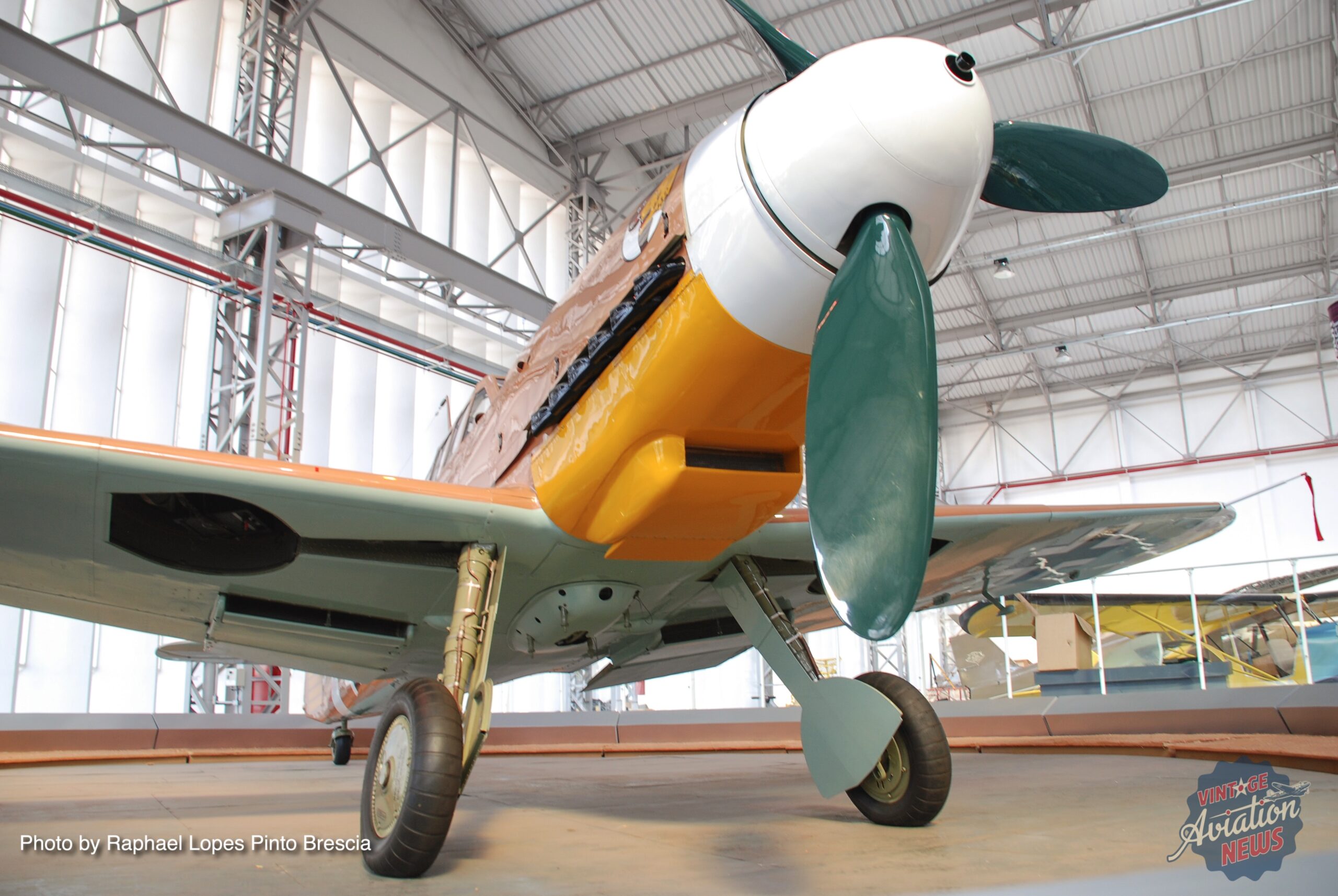
Douglas includes many German messages and conversation transcripts, providing valuable context about the time period. Figures such as Albert Speer, Kurt Tank, Erhard Milch, and Adolf Galland are represented with precision. For instance, Galland’s account of Hans-Joachim Marseille’s death due to engine failure highlights the challenges faced by the Luftwaffe. The short engine life expectancy of less than 50 hours compared to Allied engines’ 300 hours underscores the technological gap.
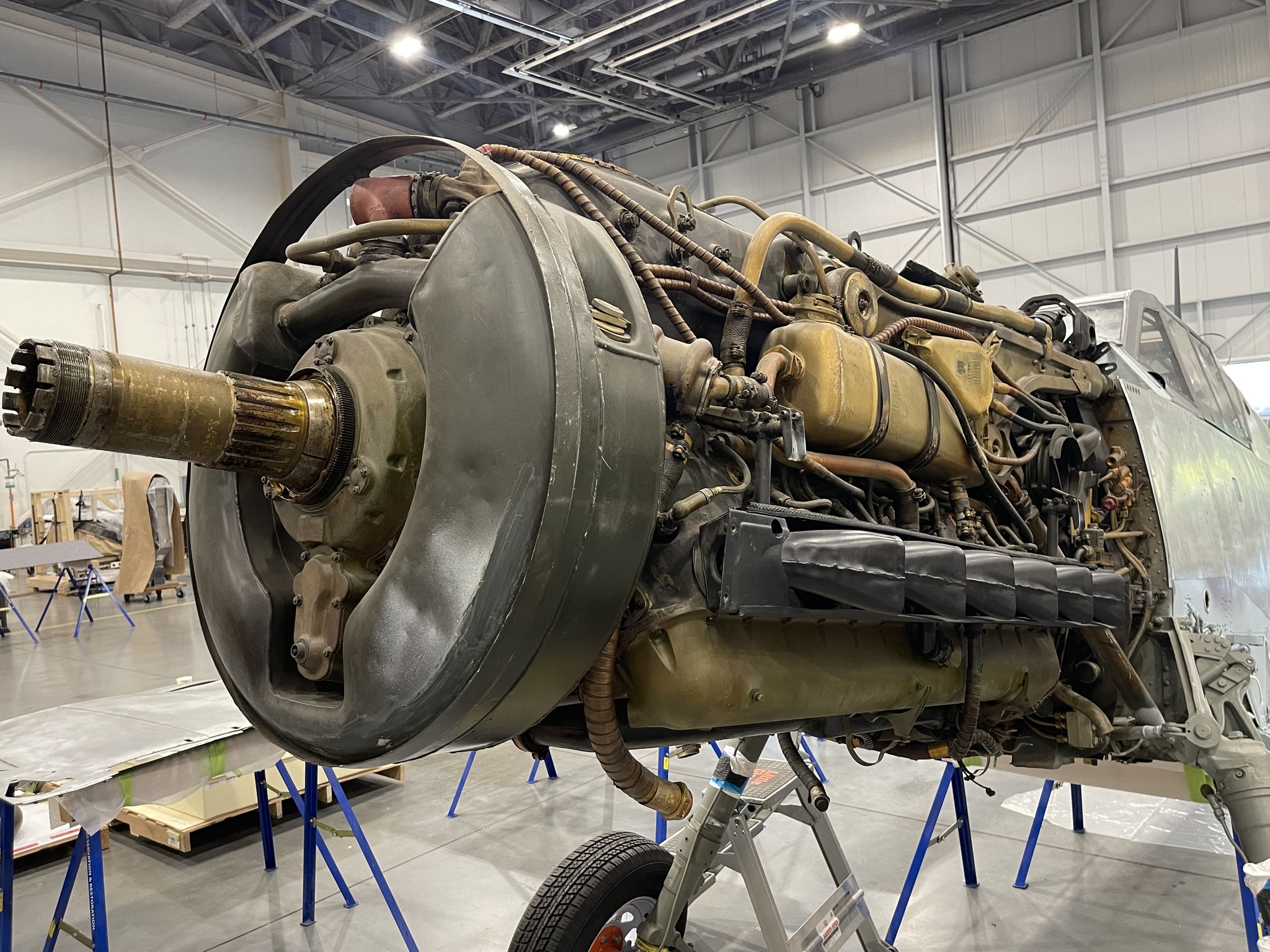
Douglas continues to offer insights throughout the book, covering topics such as flying the P-38 Lightning, the advantages and drawbacks of fuel injection, and the Allied scientist who identified a weakness in German aviation fuel. The strategic relationship between national testing facilities and privately owned engine companies is also explored. Each country devoted hundreds of people to their efforts, focusing on areas such as octane enhancement, impeller vane design, and valve overlap.
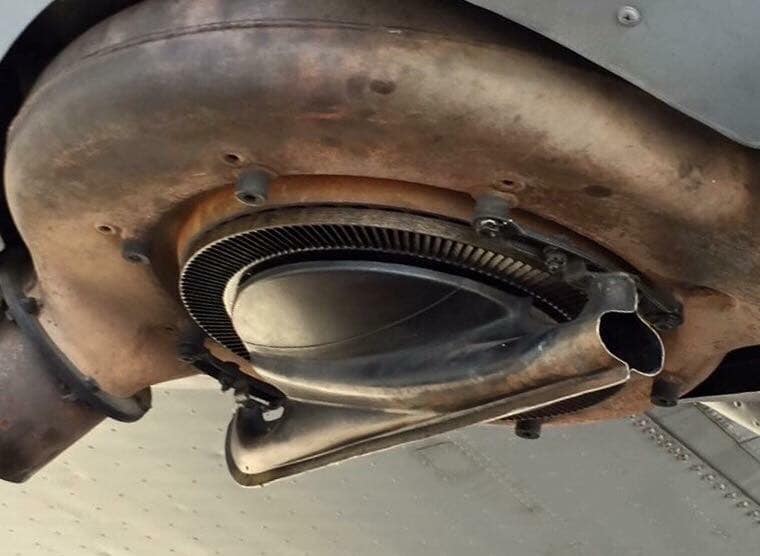
More surprises await, including Great Britain’s slow adoption of fuel injection despite analyzing crashed Luftwaffe engines. The story of “Ha Ha” gas and its delayed solution illustrates the complexity of wartime challenges. German engineers developed the Kommandogerät mechanical computer, allowing pilots to better concentrate during combat. This innovation gave the Luftwaffe a significant advantage over the Allies.
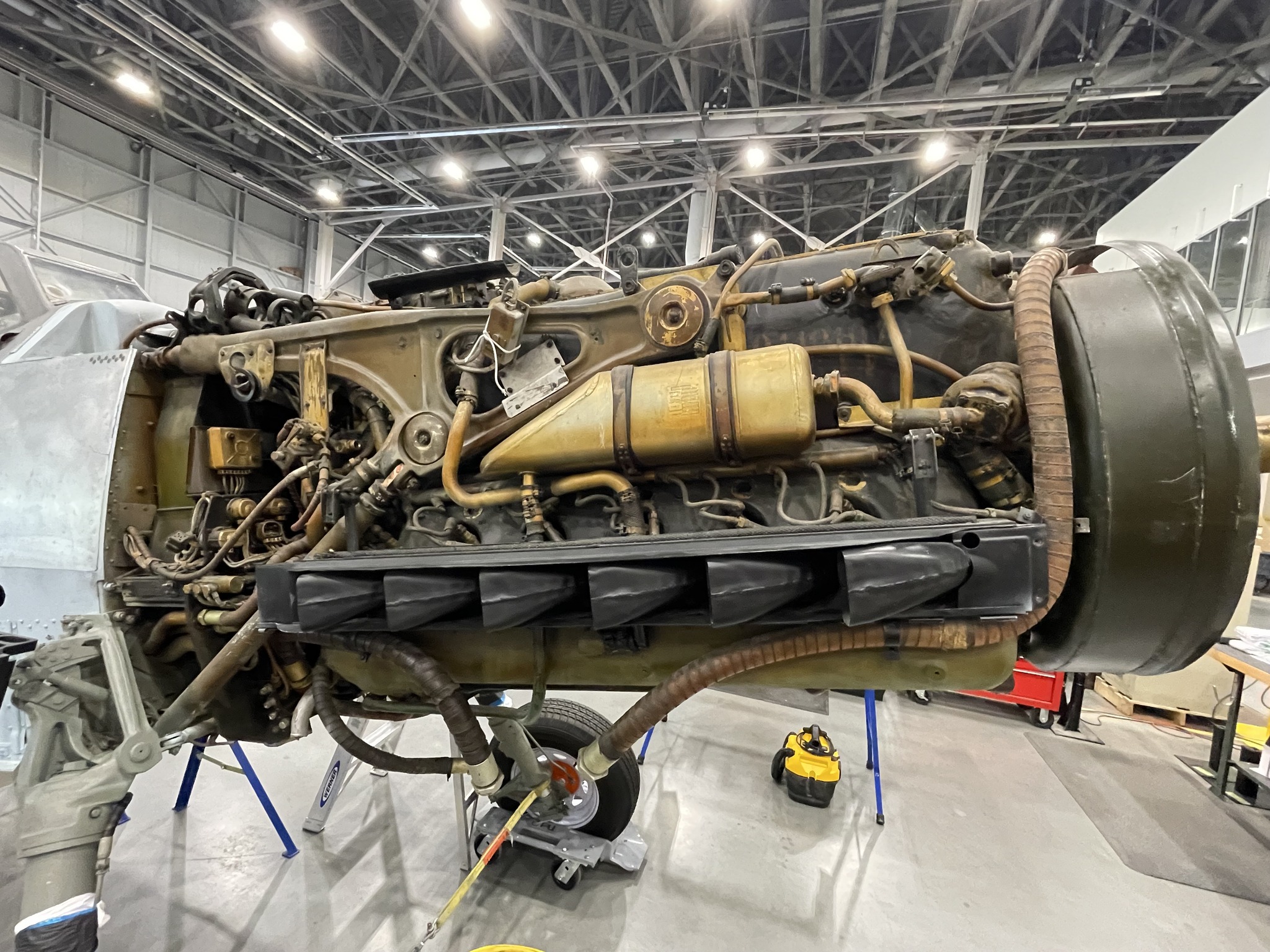
The use of tetraethyllead (TEL) for octane control and valve overlap is explained in detail. The Allies were puzzled by the Luftwaffe’s use of higher octane fuel than they could fully utilize. Douglas also addresses the importance of crankcase scavenger oil pumps and the reasons some countries realized this before others. The standardization of inverted V engine designs and the differences between air-cooled and liquid-cooled engines are also clarified.
Sidebars featuring key personalities add a human dimension to the story, highlighting the designers, testers, and users behind the engines. The book remains relevant today, with elements of its content still used in modern commercial engines. It has been translated into German and Italian, making it accessible to a wider audience. The Secret Horsepower Race is a must-read for aviation enthusiasts and history buffs alike.
Hardcover Publisher: Tempest Books
Year published: 2020
11.5″ x 8.5″
Index, Bibliography, Notes, Photos (many)
Cost: £35/$49.99
ISBN 978-1-911658-50-4
479 pages
Available on Amazon