
The Impact of Conflict on Air Travel
The ongoing conflict between US-Israeli forces and Iran has left hundreds of thousands of people stranded, with the situation becoming increasingly difficult for those trying to return home. Airports across the Middle East have been shut down at various points, and although some are starting to reopen, the capacity for passengers to travel remains limited. This has created a major challenge for travelers looking to return to Europe, as direct flights from the region are in short supply.
Rising Costs and Alternative Routes
With direct flights to Europe being scarce, many passengers are opting to fly to Asia first before catching a long-haul flight. However, this alternative route has led to a sharp increase in ticket prices. One-way economy fares have surged up to ten times their usual cost, making travel significantly more expensive than before.
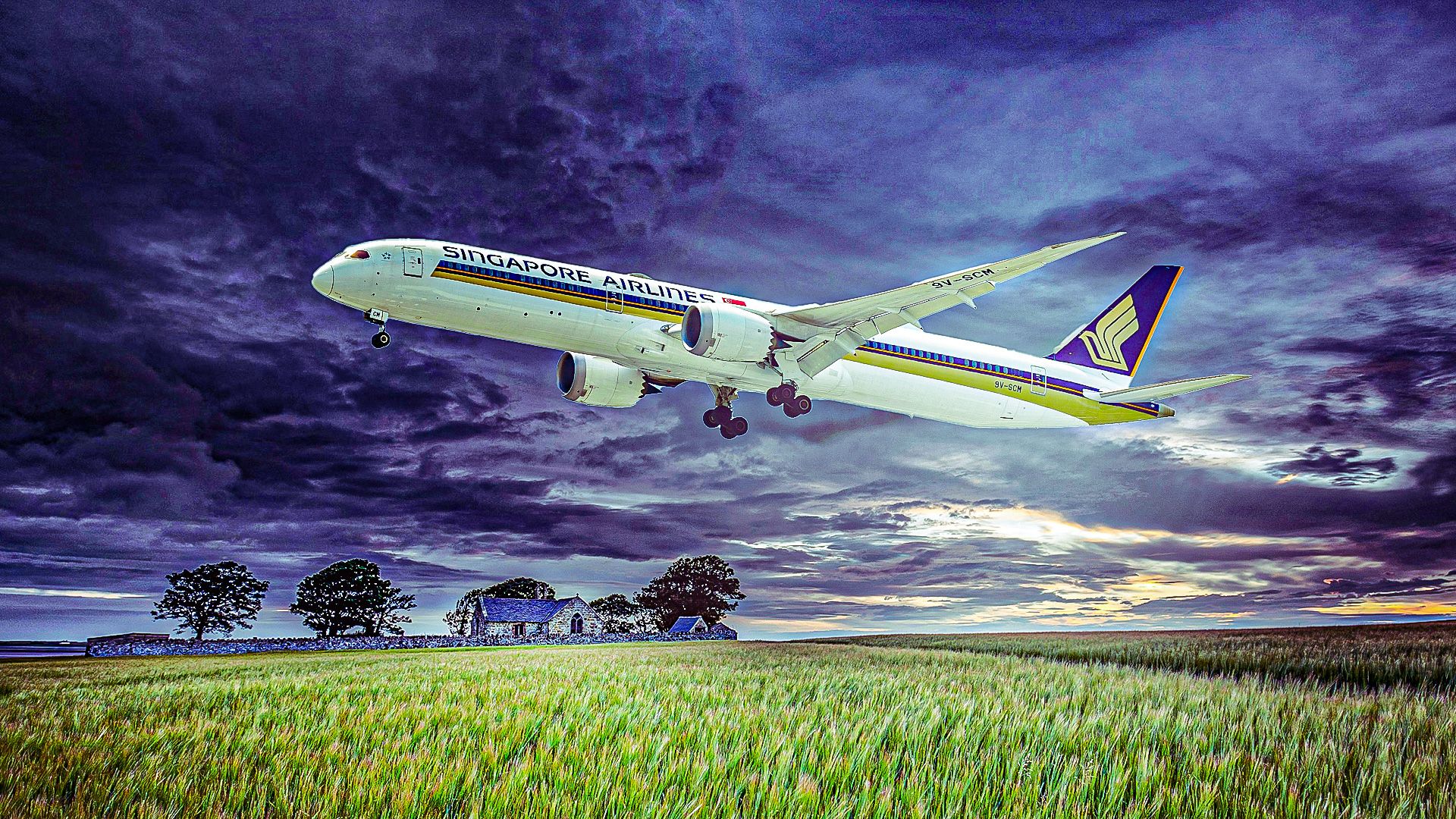
The Asia-Europe corridor has seen a dramatic rise in fares, particularly due to the disruption caused by Gulf carriers such as Emirates, Etihad Airways, and Qatar Airways. These airlines account for approximately one-third of passenger traffic between Asia and Europe, so their reduced operations have had a major impact on this route. As a result, travelers are turning to Asian airlines like Cathay Pacific and Singapore Airlines, which offer a wide range of long-haul destinations and are better positioned to handle the increased demand.
Price Surges and Limited Availability
Despite the shift in travel patterns, the surge in prices shows no sign of slowing down. Ticket websites now display fares that are up to ten times higher than normal, and many key routes are either fully booked or available only at a premium. For example, an economy seat on Singapore Airlines’ service between Singapore Changi Airport (SIN) and London Heathrow Airport (LHR) is currently priced over $2,500. This is a significant jump compared to just a few days ago, when the same flight was priced at $8,500.
Other airlines, such as Qantas, have also experienced complete sellouts on certain routes. The Perth-London route, for instance, has been completely sold out for at least the next 10 days. Similar scarcity is reported across most other Asian airlines, leaving many travelers with few options.
Will Prices Return to Normal?
While some signs suggest that prices may begin to normalize in the coming days, they are still far above their baseline levels. Analysts believe that the duration of the conflict will play a crucial role in determining how long these price hikes will last. Linus Benjamin Bauer, founder of aviation consultancy BAA & Partners, noted that while Asian airlines may benefit in the short term, it is unlikely that this will lead to a permanent shift in customer behavior once the crisis subsides.
Challenges for Passengers
The sudden airspace shutdowns in the Middle East have caused widespread disruption for passengers, whether they were transferring at an airport or flying through regional airspace. The three largest carriers in the region—Emirates, Etihad, and Qatar Airways—have struggled to maintain full operations due to the conflict. Their hub-and-spoke systems, which rely heavily on regional connections, have been severely impacted.
According to data from Cirium, this has left tens of thousands of passengers stranded in Gulf airports with no direct route home. In the UAE alone, over 20,000 people were stuck in airports, with the government covering the costs of hotel accommodation and food. Many passengers resorted to long bus rides across the border to neighboring countries such as Oman or Saudi Arabia before finding a way to catch a flight out.